3 weeks ago
Pakistan's New Media Guidelines Restrict Coverage of PoJK Unrest

In a place called Pakistan, the government made new rules for journalists, the people who write news.
The rules say reporters need special permission from a government office before they can write news outside the big cities.
The government can also take away a reporter's work pass if it does not like what they write.
Pakistan also told one big news channel, Al Jazeera, that it is banned in the country.
Many reporters write news about PoJK, a region where people have been protesting.
The government seems to want to stop this news from reaching people in other countries.
A group that defends journalists, called the CPJ, says the new rules are too strict and mean.
It is asking Pakistan to remove these rules.
People who watch the news are worried that bad things in PoJK will not be seen anymore.
The CPJ says all this could make it harder for people to ask for their rights.

Pakistan's authorities introduced the 'Foreign Media Facilitation Guidelines 2026' requiring journalists working for foreign outlets to obtain a no-objection certificate (NOC) from the Information Ministry for official assignments outside Islamabad, Lahore, and Karachi.
The guidelines allow Pakistani authorities to suspend or revoke accreditation for acts deemed 'against the ideology, sovereignty, security, or public order of Pakistan.'
Foreign journalists who travel to Abbottabad or Murree, areas close to the PoJK border, for leisure also need to obtain an NOC.
Pakistan banned international broadcaster Al Jazeera after accusing it of 'yellow journalism' over its reporting on unrest and election day violence in PoJK.
The Committee to Protect Journalists (CPJ) called the guidelines 'draconian' and urged Pakistani authorities to withdraw them, warning they will censor coverage of unrest in PoJK.
Reports from PoJK include deaths, arrests, detentions, torture, alleged use of force on protesters, low voter turnout, allegations of election rigging, and suspended mobile and internet services.
- Who
- Pakistani authorities introduced the new press guidelines; the Committee to Protect Journalists (CPJ) and international outlets such as Al Jazeera responded critically.
- What
- Pakistan implemented the 'Foreign Media Facilitation Guidelines 2026,' requiring NOCs for journalists working outside Islamabad, Lahore, and Karachi and allowing accreditation to be suspended or revoked, amid reported unrest in PoJK.
- Where
- Pakistan, particularly Islamabad, Lahore, and Karachi, with NOC requirements extending to travel near the PoJK border such as Abbottabad and Murree, and covering unrest in Pakistan-occupied Jammu and Kashmir (PoJK).
- When
- The guidelines were rolled out amid months of unrest in PoJK and following reports of protest deaths, arrests, election-day violence, and a ban on Al Jazeera; the articles do not give a specific date for their introduction.
- Why
- The report alleges the guidelines are designed to restrict press freedom, silence dissent, and control the narrative so that issues raised by the people of PoJK do not reach the outside world.
Critics of the Guidelines
Pakistani Authorities' Position
Purpose of the Guidelines
Critics of the Guidelines
CPJ and a report in The Global Kashmir say the guidelines are designed to restrict press freedom, silence dissent over PoJK unrest, expose journalists to administrative retaliation, and hide abuses in PoJK from the outside world.
Pakistani Authorities' Position
Pakistan has framed the rules as 'Foreign Media Facilitation Guidelines' and previously accused outlets like Al Jazeera of selective reporting and 'yellow journalism,' implying the measures are justified by concerns over reporting standards and national interests.
Impact on PoJK Coverage
Critics of the Guidelines
Critics warn the rules will censor coverage of unrest in PoJK, create an information blackout, and make it harder for people to demand basic rights and hold authorities accountable.
Pakistani Authorities' Position
The articles, which carry Pakistan's stated justifications, indicate authorities invoke the 'ideology, sovereignty, security, or public order of Pakistan' as grounds for suspending or revoking journalist accreditation.
Key facts
- Guideline Name
- Foreign Media Facilitation Guidelines 2026
- New Requirement
- No-objection certificate (NOC) from Pakistan's Information Ministry for assignments outside Islamabad, Lahore, and Karachi
- Leisure Travel Rule
- Foreign journalists need an NOC to visit Abbottabad or Murree, near the PoJK border
- Suspension Power
- Accreditation can be suspended or revoked for acts 'against the ideology, sovereignty, security, or public order of Pakistan'
- Media Outlet Banned
- Al Jazeera - accused by Pakistan of 'yellow journalism' over its PoJK coverage
- Press Freedom Watchdog
- Committee to Protect Journalists (CPJ) called the guidelines 'draconian' and urged their withdrawal
- Reported Conditions in PoJK
- Deaths, arrests, detentions, torture, alleged election rigging, low voter turnout, and suspended mobile and internet services
- Elections in PoJK
- Initially scheduled as a single phase, divided into three phases due to unrest
Quotes
Waliullah Rahmani
CPJ Afghanistan and Pakistan Representative
“The Foreign Media Facilitation Guidelines open the door for Pakistani authorities to further restrict international media coverage, prevent journalists from reporting freely outside Pakistan’s three main cities, and risk exposing them to administrative retaliation.”
 thehansindia.com
Sources
Related news

Media bodies criticise Pakistan's new 2026 guidelines for foreign press

Pakistan restricts foreign media with strict registration and accreditation rules
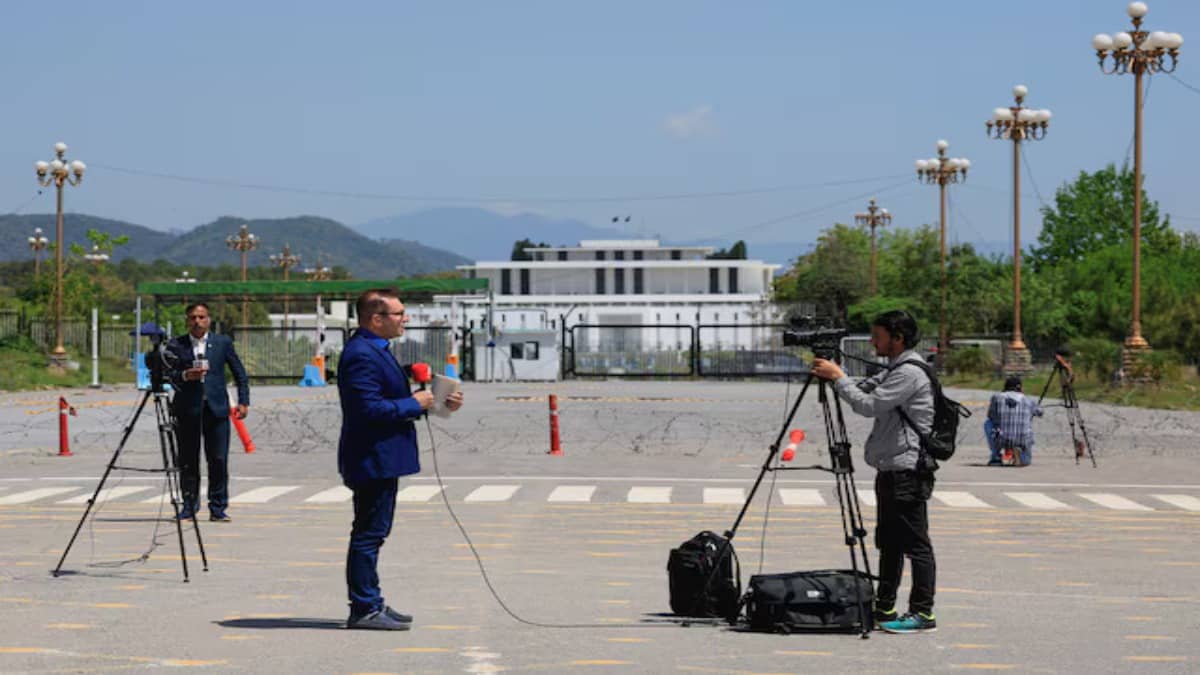
Pakistan Broadens Media Curbs to Local Staff of Foreign Outlets

Pakistan Tightens Foreign Media Rules, Makes NOC Mandatory for Travel

Report: Pakistan used bullets, media blackout to hide PoK brutalities
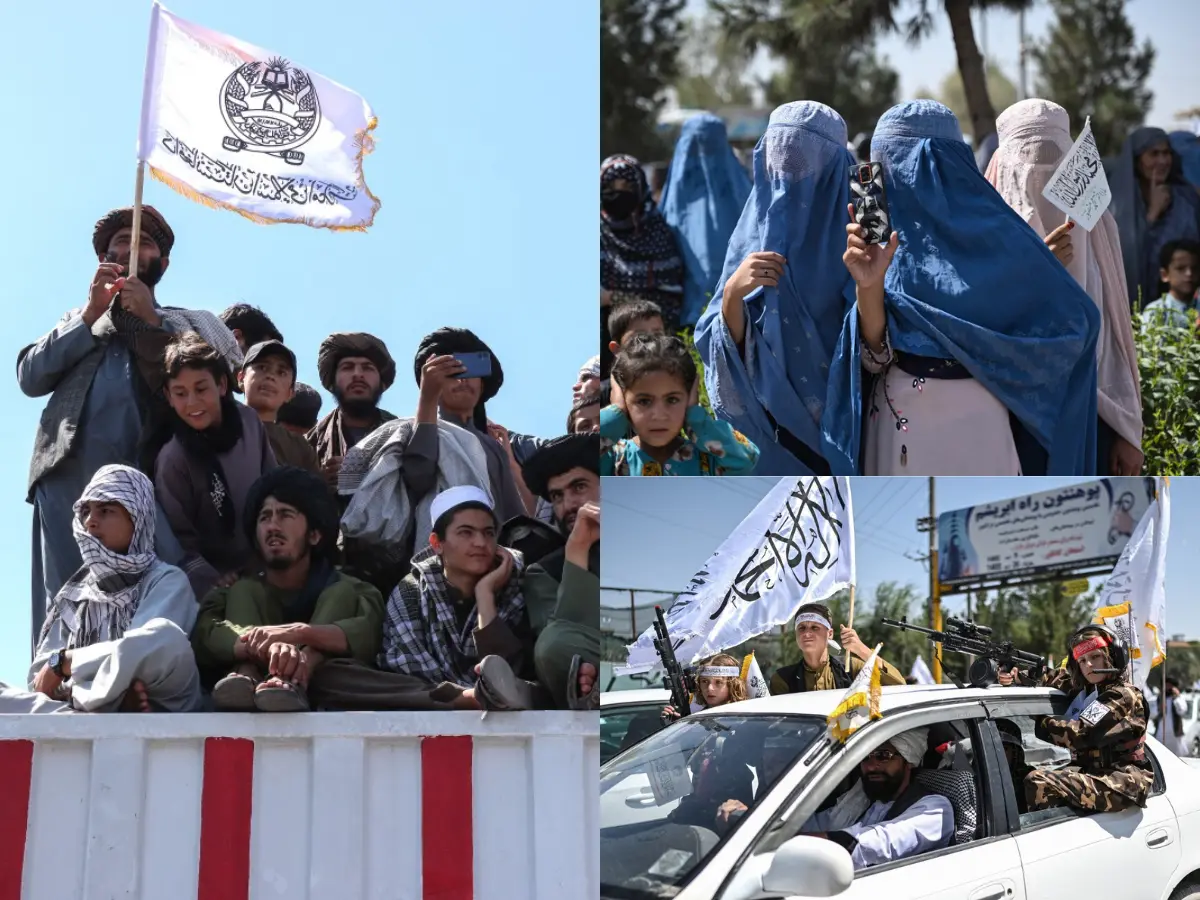
Five Years On: How Afghanistan Changed Under Taliban Rule

Trump's Plane Swap Highlights Secret Service Decoy Tactics
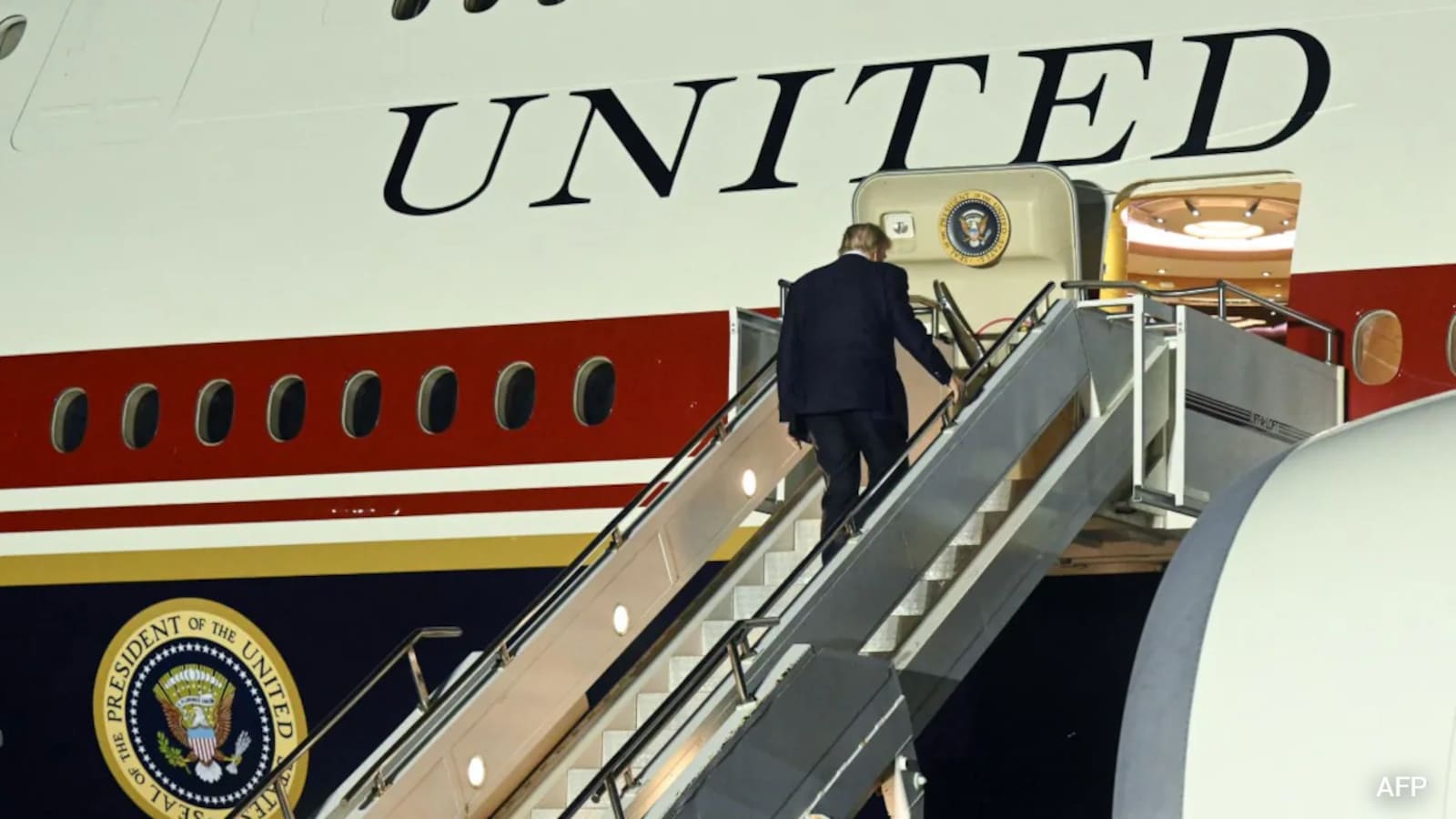
Trump's Secret Turkey Plane Swap Sparks Anger Among Journalists