2 weeks ago
Iran Rejects Temporary Ceasefire, Demands Permanent End To War
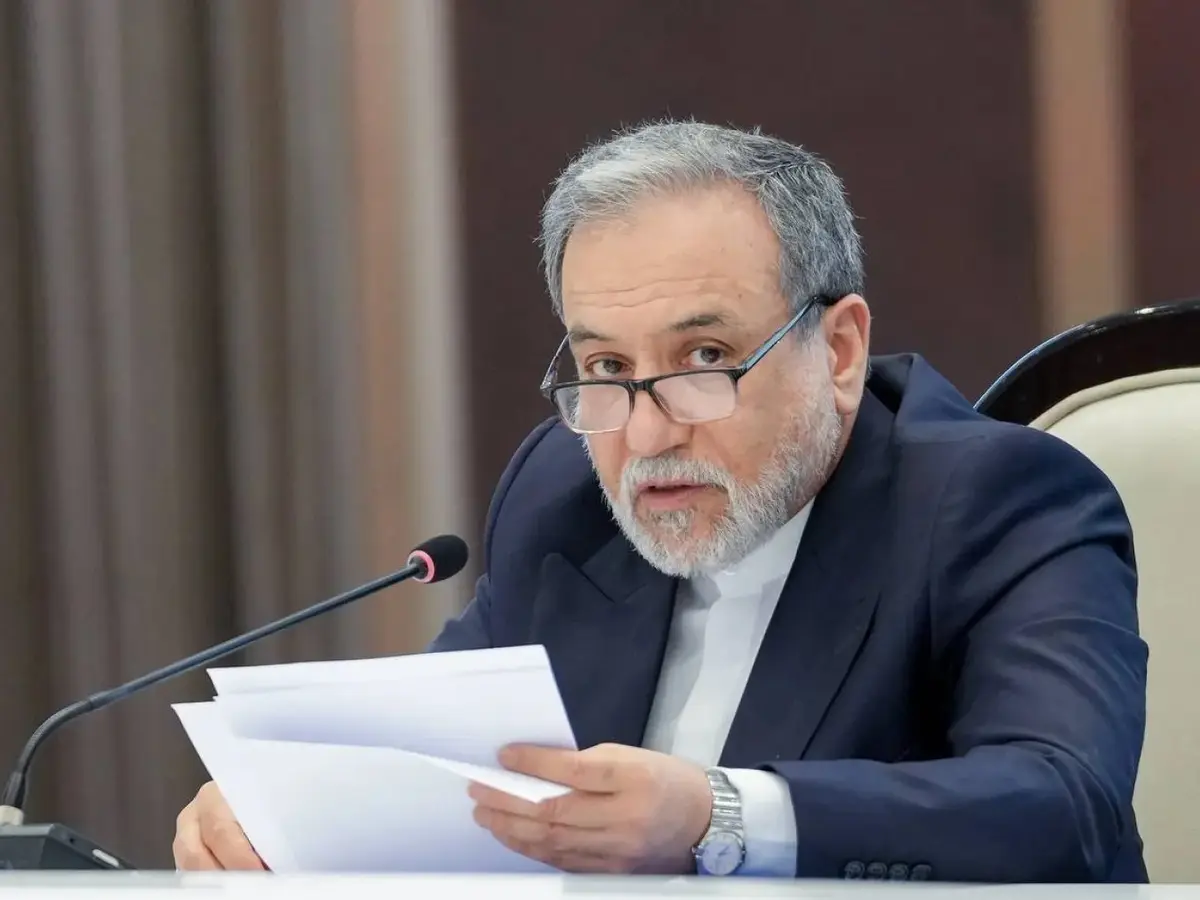
Iran and the United States have been involved in a war that has lasted nearly six months, according to the article.
A temporary 60-day ceasefire has now technically ended.
Iran’s foreign minister says his country does not want another short pause in fighting.
He says Iran wants a permanent agreement so the war cannot start again.
The United States has not announced a new round of talks, and President Donald Trump said no talks were happening or planned.
Qatar and Pakistan have tried to help the two sides communicate.
An Iranian parliamentary leader criticized American officials and sanctions threats.
Another Iranian official said Iran was preparing for a more offensive military approach.

Iranian Foreign Minister Abbas Araghchi said Tehran will not accept another temporary ceasefire and wants a permanent end to the war.
The 60-day ceasefire between Iran and the United States technically ended on Monday after attacks and counterattacks continued.
US President Donald Trump said there were no talks or conversations with Iran, either ongoing or scheduled.
Araghchi credited Qatar and Pakistan with important mediation efforts and called for collective Gulf security with economic elements.
Iranian Parliament Speaker Mohammad Bagher Ghalibaf criticized US officials, while a senior Iranian official said Tehran was moving toward a fully offensive military posture.
- Who
- Iranian Foreign Minister Abbas Araghchi, US President Donald Trump, Iranian Parliament Speaker Mohammad Bagher Ghalibaf, and officials from Iran and the United States.
- What
- Iran rejected another temporary ceasefire and called for a permanent end to the war, while the United States said no talks were ongoing or scheduled.
- Where
- The conflict involves Iran and the United States, with Qatar and Pakistan involved in mediation and Gulf security discussions.
- When
- The statements were made on Tuesday, after the 60-day ceasefire technically ended on Monday; an interim memorandum was signed on June 17.
- Why
- Iran says any agreement must prevent the war from recurring and has rejected demands it says were aimed at surrender, regime change, fragmentation, or internal unrest.
Iranian government and officials
US administration
Nature of a ceasefire
Iranian government and officials
Iran says it will not accept another temporary ceasefire and wants a permanent end to the war that prevents renewed fighting.
US administration
The United States has not announced a new agreement; President Donald Trump said there were no talks or conversations ongoing or scheduled and had previously said he had no timeline for a deal.
Negotiating pressure
Iranian government and officials
Iranian officials say US pressure and sanctions are intended to force concessions that were not part of the agreement, and claim US objectives included surrender, regime change, fragmentation, and internal unrest.
US administration
Treasury Secretary Scott Bessent threatened unprecedented sanctions and economic isolation, while Iranian officials characterized the US approach as pressure for concessions.
Military direction
Iranian government and officials
A senior Iranian official said Tehran was moving toward a fully offensive military posture after efforts to reach a permanent agreement stalled.
US administration
The article reports that the United States and Iran continued attacks and counterattacks after the ceasefire memorandum, but it does not state a separate new US military posture.
Key facts
- Ceasefire duration
- The ceasefire was negotiated for 60 days and technically ended on Monday.
- Interim agreement
- Iran and the United States signed a memorandum of understanding on June 17 to end hostilities and pursue a broader agreement.
- Iran’s position
- Foreign Minister Abbas Araghchi said Iran would not accept another temporary ceasefire.
- US position reported
- President Donald Trump said there were no talks or conversations with Iran ongoing or scheduled, and earlier said he had no timeline for a deal.
- Mediation
- Araghchi said Qatar and Pakistan played an important role in mediation.
- Iranian military posture
- A senior Iranian official told Reuters that Iran was shifting toward a fully offensive military posture.
- US sanctions threat
- Treasury Secretary Scott Bessent threatened sanctions that he said would cause never-before-seen economic isolation of Iran.
Quotes

Mohammad Bagher Ghalibaf
Speaker of Iran’s Parliament
“Stop waiting for the clown crew to pull a rabbit out of their hat and clean up the mess you made,” he added.”
 wionews.com
“Americans think squeezing Iran harder will win concessions that were never part of the agreement,”
wionews.com
Sources
Related news

Iran threatens offensive in Hormuz as US peace talks stall
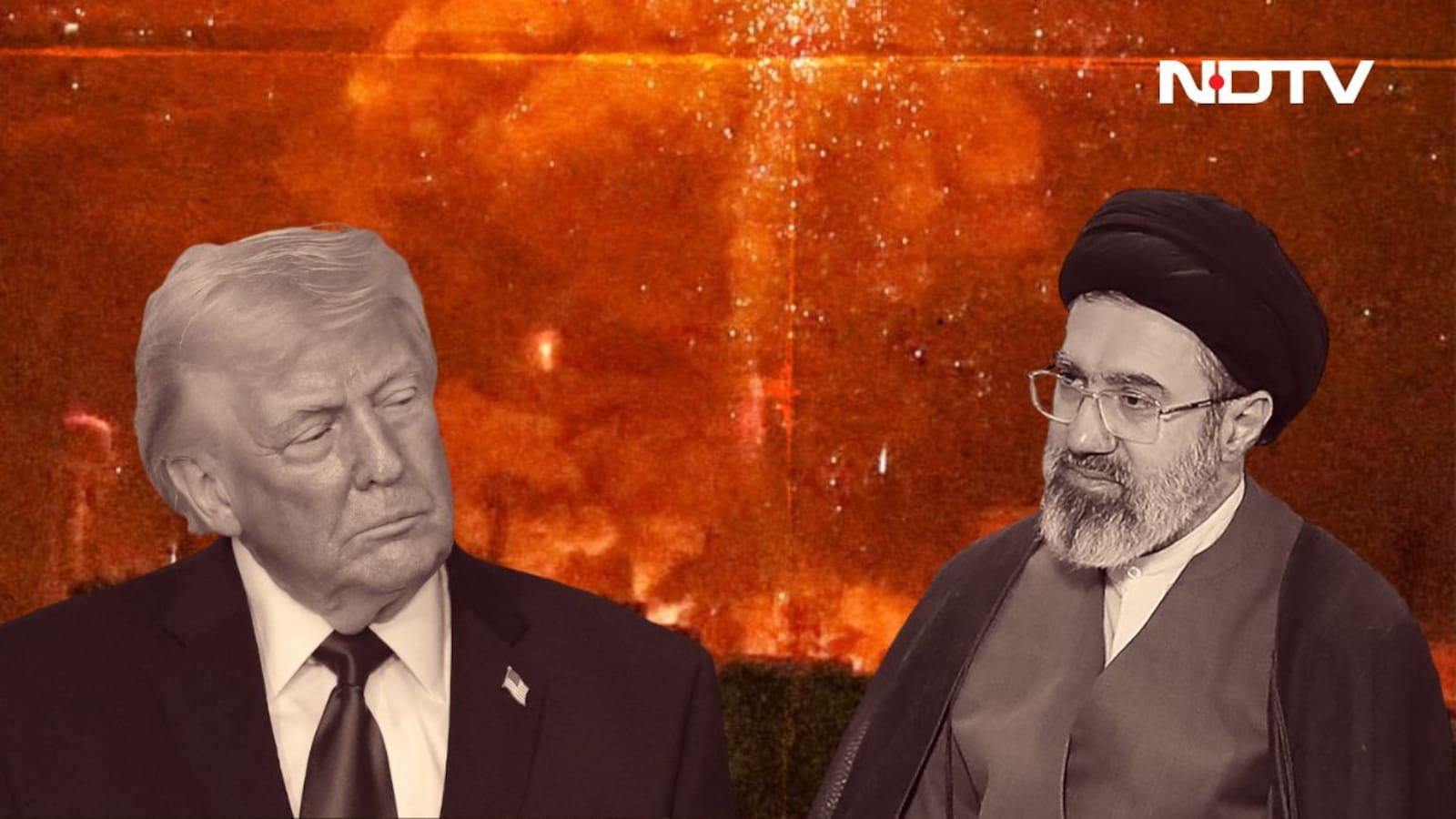
Tehran denies ceasefire extension, demands US return to interim deal
Iran Reports No Progress Reviving Interim Deal With US

Iran Signals Ceasefire Return If US Honors Commitments
Trump: US only 'semi-negotiating' with Iran, Khamenei tightens grip
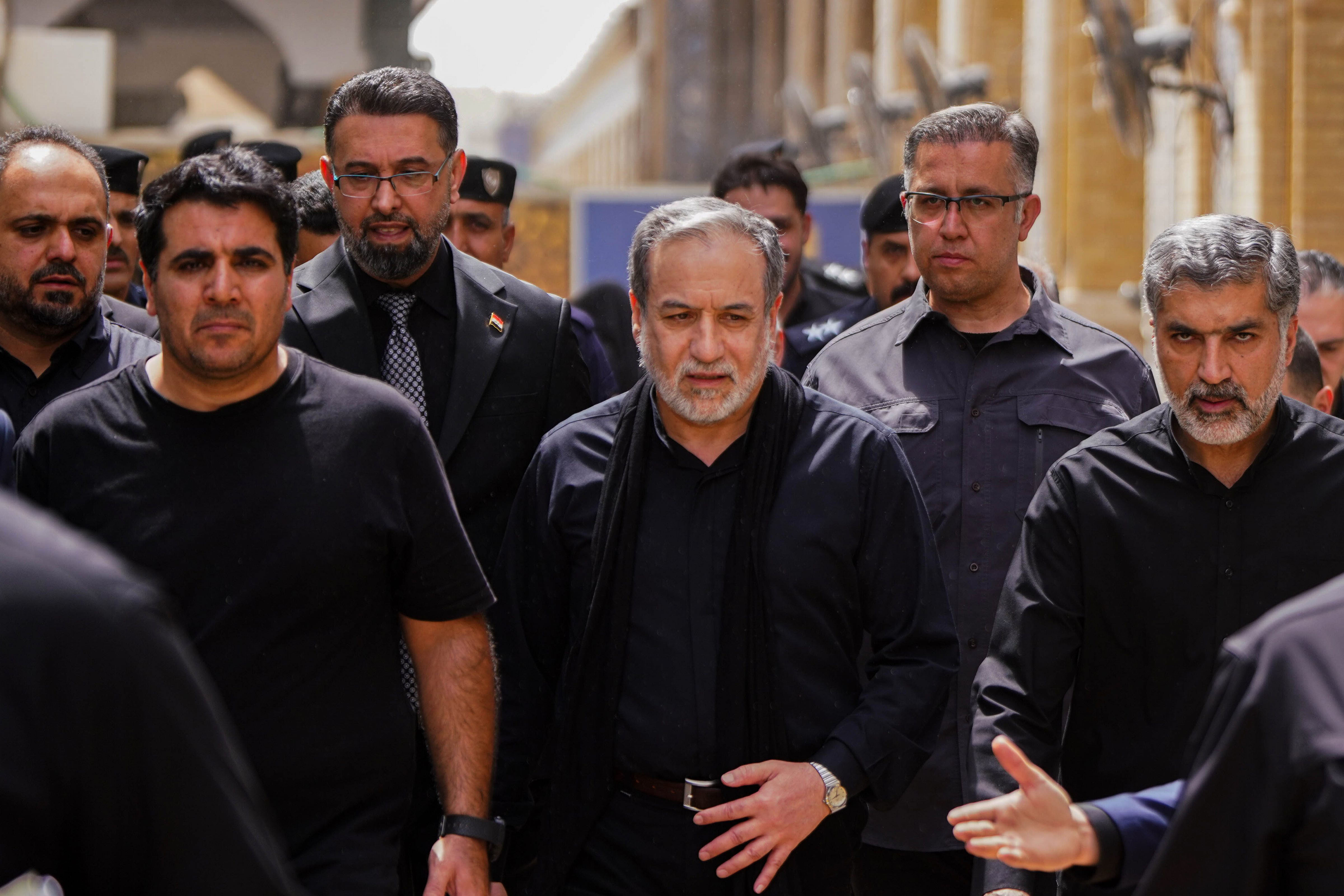
Araghchi: Iran Forced Enemies to Request Negotiations After War

India’s SIP Boom Meets Years of Modest Market Returns
Americans Oppose Trump’s Canada Tariffs and Lake America Renaming

How Indian News Photographs Became National Visual Memory

Meta Removes Scam Ads After India Flags Porn Malware Bait

X’s Transparency Pledge Collides With India’s Secrecy Rules