3 weeks ago
Trump: US only 'semi-negotiating' with Iran, Khamenei tightens grip
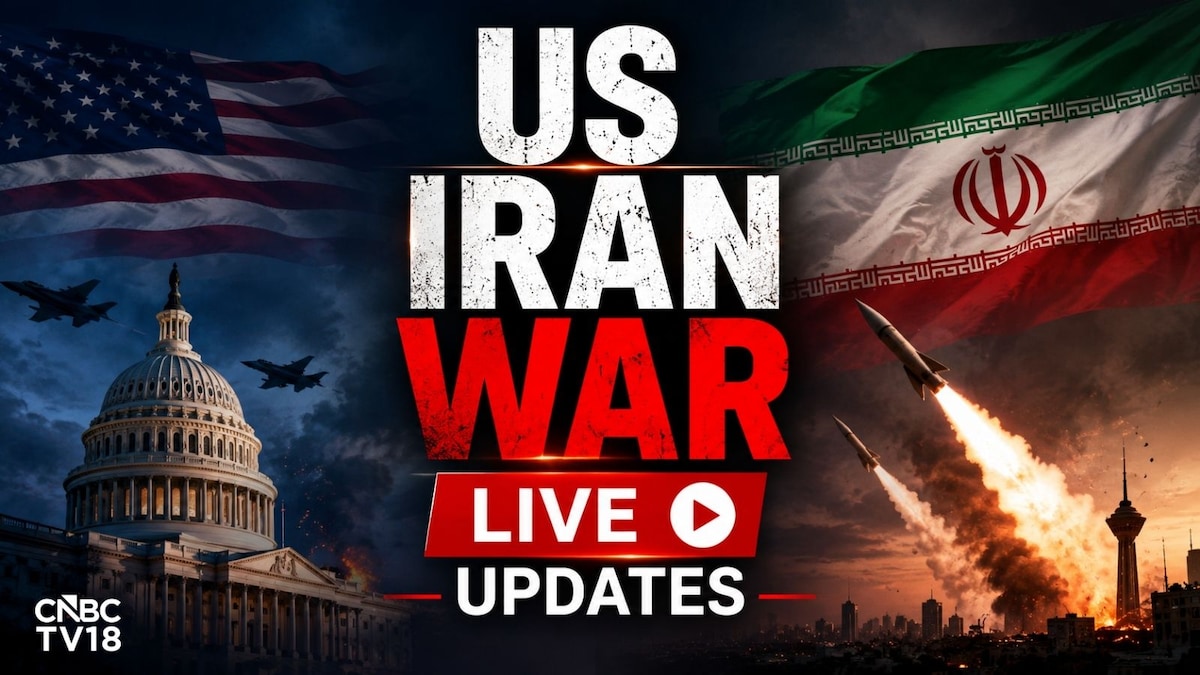
The United States and Iran are having a big argument.
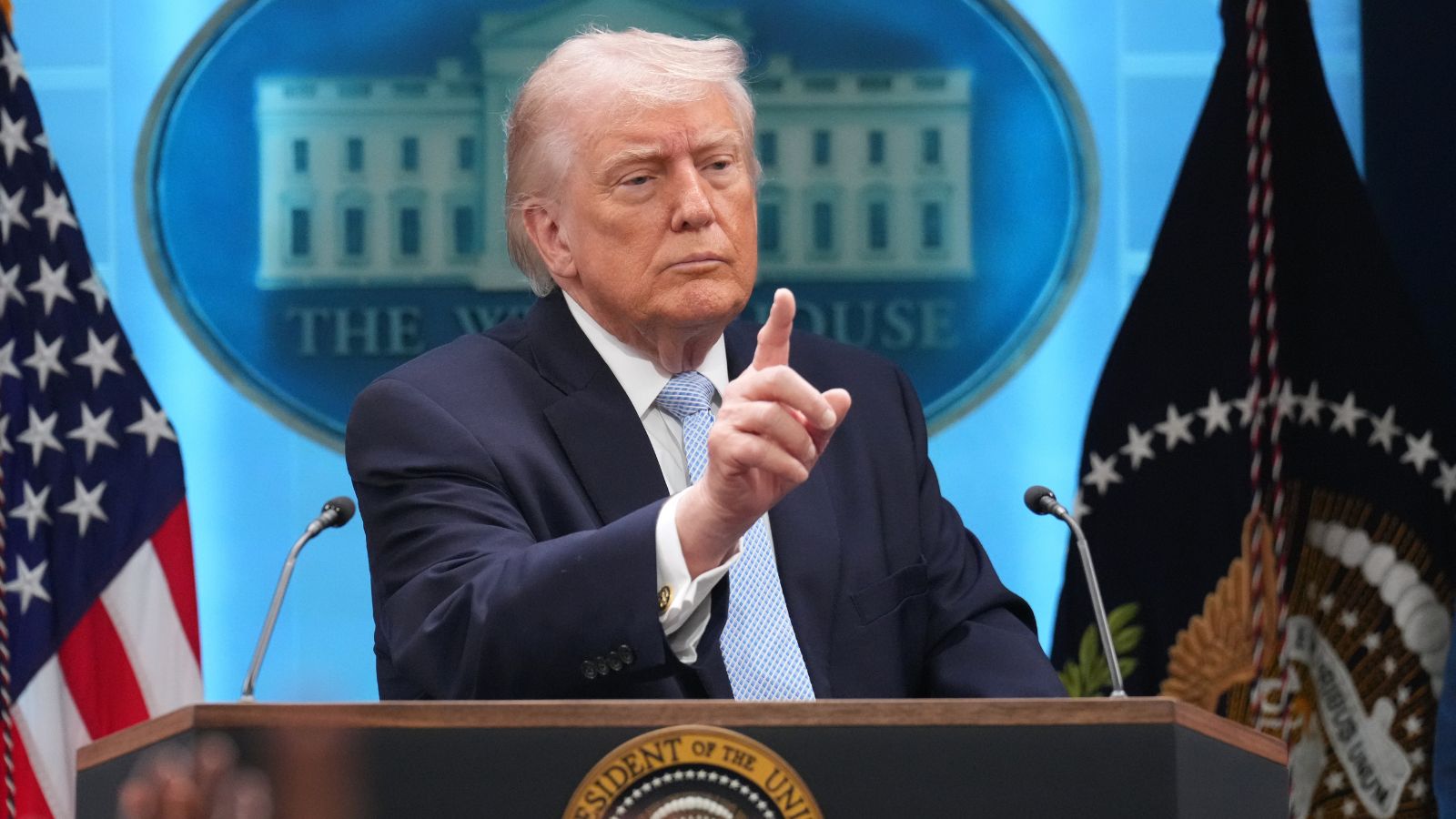
The president of the United States, Donald Trump, says America is only 'semi-negotiating' with Iran.
That means talks have not really started in full.
Iran's foreign minister says there are no direct talks between the two countries at all.
Helpers from other countries are trying to set up a meeting.
One problem is the Strait of Hormuz, a sea path that oil ships use.
Iran says the waterway will stay closed until America removes its naval blockade.
Iran is also talking with Oman to try to fix this.
Iran's leader also gave a military commander a top security job.
In Gaza, Israel's leader refused a US peace plan, and in Yemen an attack on a port killed at least seven people.

US President Donald Trump said Washington is only 'semi-negotiating' with Tehran and will wait for economic pressure to mount before pushing talks further.
Iran's Foreign Minister Abbas Araghchi said no direct US-Iran talks are taking place, though intermediaries are working to create conditions for eventual negotiations.
Araghchi said Iran-Oman talks on the Strait of Hormuz standoff are in their final stages, but the waterway will not reopen until the US lifts its naval blockade.
Supreme Leader Mojtaba Khamenei appointed former Islamic Revolutionary Guard Corps commander Mohsen Rezaei as his representative to the Supreme National Security Council.
Benjamin Netanyahu rejected the US-brokered Gaza peace plan, insisting there will be no Israeli withdrawal until Hamas is fully disarmed, while Houthi forces killed at least seven in an attack on Yemen's al-Makha port.
- Who
- US President Donald Trump, Iran's Foreign Minister Abbas Araghchi, Supreme Leader Mojtaba Khamenei, former IRGC commander Mohsen Rezaei, Israeli Prime Minister Benjamin Netanyahu, and Iran-aligned Houthi forces.
- What
- Washington says it is only 'semi-negotiating' with Iran while Tehran denies direct talks; the Strait of Hormuz remains closed pending the lifting of the US naval blockade, Khamenei appointed Rezaei to the security council, Netanyahu rejected the US Gaza plan, and Houthis attacked Yemen's al-Makha port.
- Where
- West Asia, spanning Iran, the Strait of Hormuz, Gaza, and Yemen's Red Sea port of al-Makha.
- When
- Not specified in the article; reported as ongoing live developments.
- Why
- Tensions stem from the US naval blockade and economic pressure on Iran, the strategic importance of the Strait of Hormuz to global oil shipments, and disputes over the Gaza peace plan and Hamas disarmament.
Governments insisting on preconditions
US-led diplomatic track
Status of US-Iran talks
Governments insisting on preconditions
Iran says no direct talks are taking place; only intermediaries are working to create conditions for eventual negotiations.
US-led diplomatic track
The US says it is only 'semi-negotiating' and will push talks further as economic pressure on Iran mounts.
Reopening the Strait of Hormuz
Governments insisting on preconditions
Iran says the strait will not reopen until the US lifts its naval blockade.
US-led diplomatic track
Washington is waiting for economic pressure to build before advancing talks, with the blockade remaining in place.
Gaza peace plan
Governments insisting on preconditions
Israeli PM Benjamin Netanyahu insists there will be no Israeli withdrawal until Hamas is fully disarmed.
US-led diplomatic track
The United States brokered a peace plan for Gaza that Netanyahu has formally rejected.
Key facts
- US negotiating status
- Washington says it is only 'semi-negotiating' with Tehran
- Iran negotiating status
- No direct talks; intermediaries working to create conditions for eventual negotiations
- Strait of Hormuz
- Will not reopen until the US lifts its naval blockade; Iran-Oman talks in final stages
- Supreme leader appointment
- Mojtaba Khamenei named Mohsen Rezaei his representative to the Supreme National Security Council
- Gaza peace plan
- Rejected by Netanyahu; no Israeli withdrawal until Hamas is fully disarmed
- Houthi attack
- Red Sea port of al-Makha attacked; at least seven killed per army spokesperson
- Strategic significance
- Strait of Hormuz is key to global oil shipments
Sources
Related news

Trump Says US 'Semi-Negotiating' With Iran as Hormuz Talks Stall
Trump says US 'low-keying' standoff with Iran, like chess
Trump Calls Strait of Hormuz American Territory as Standoff Intensifies
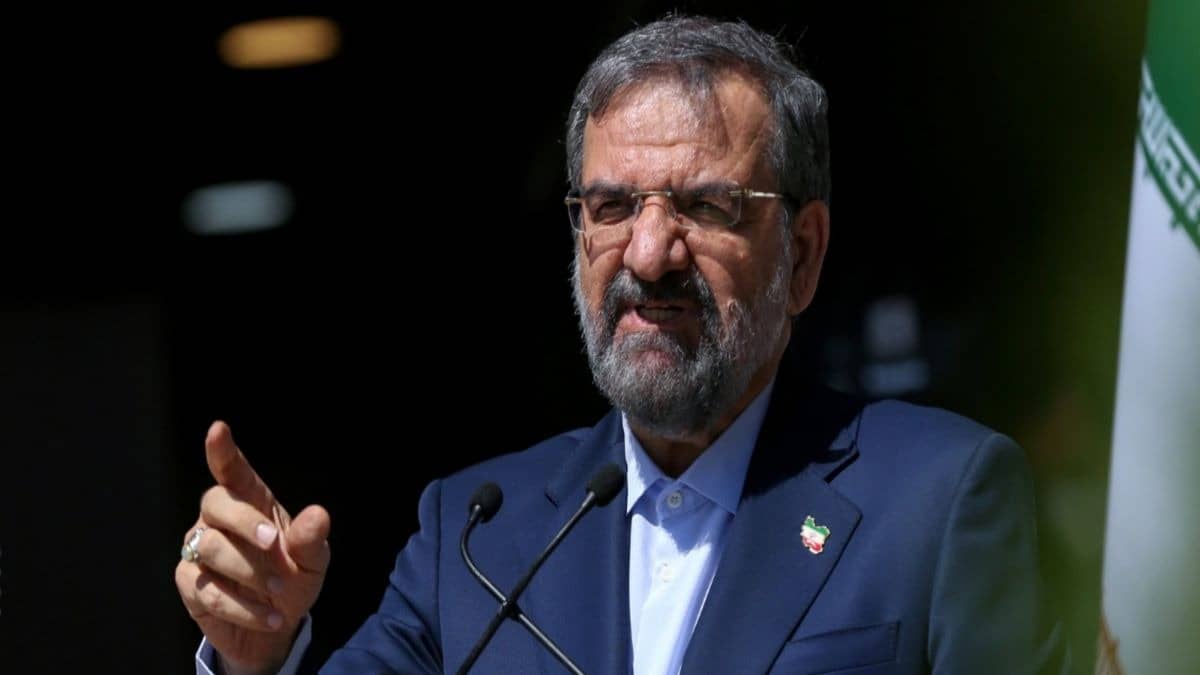
Iran Ties Strait of Hormuz Reopening to US Concessions

Trump Shifts Iran Strategy Amid Strait Of Hormuz Deadlock
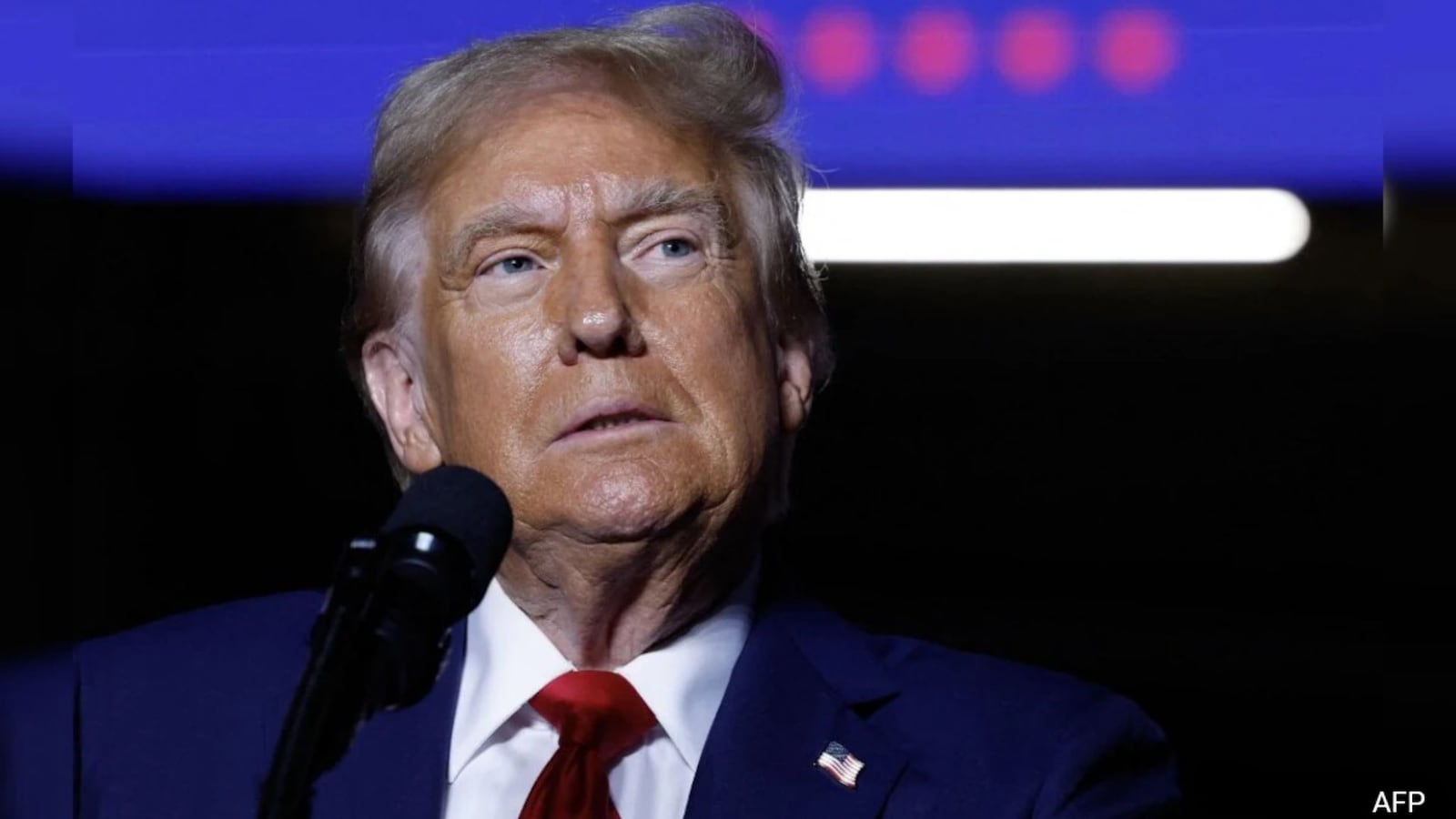
Trump Delays Iran Talks Until Tehran Is Ready To Deal

Trump Floats Renaming Strait of Hormuz as ‘Trump Strait’

Chevron Plans $7 Billion Venezuela Expansion Amid U.S. Oil Push

Saudi Arabia Says Iranian Tanker Attack Killed Two Sailors
U.S.-Iran Exchange Escalates Across Middle East, Markets Slide
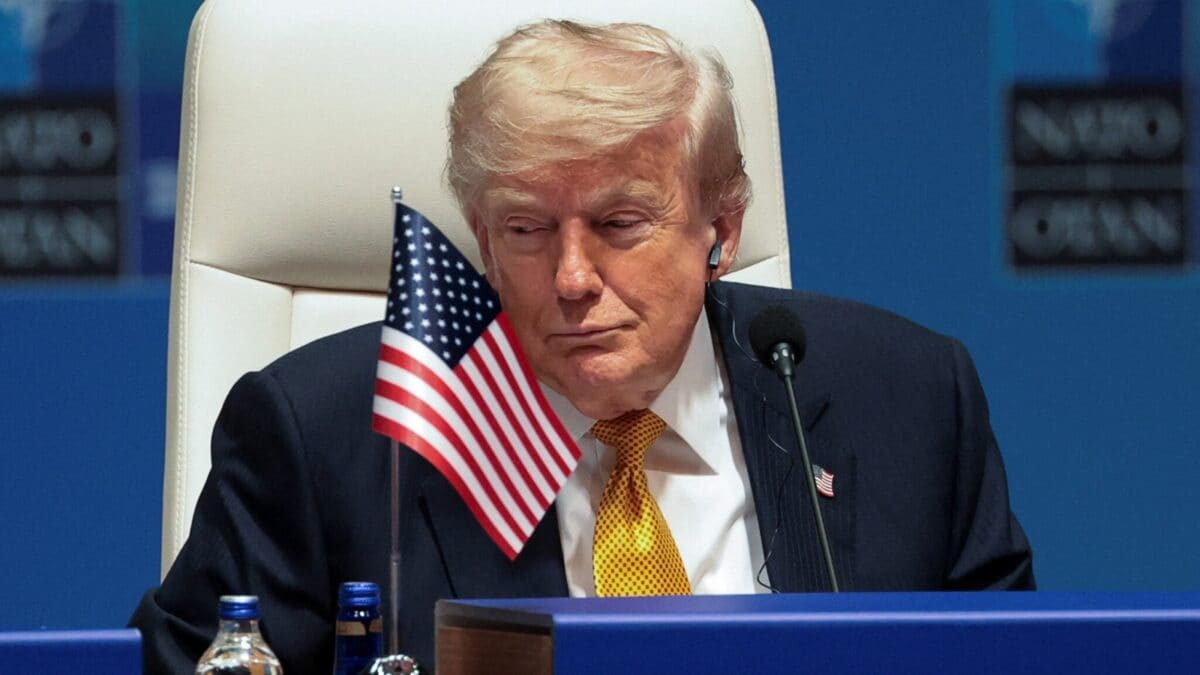
Trump Aides Seek Quiet Iran War Before Midterm Elections