

2 hrs ago
Central Railway Completes First KAVACH 4.0 Safety Audit Trial
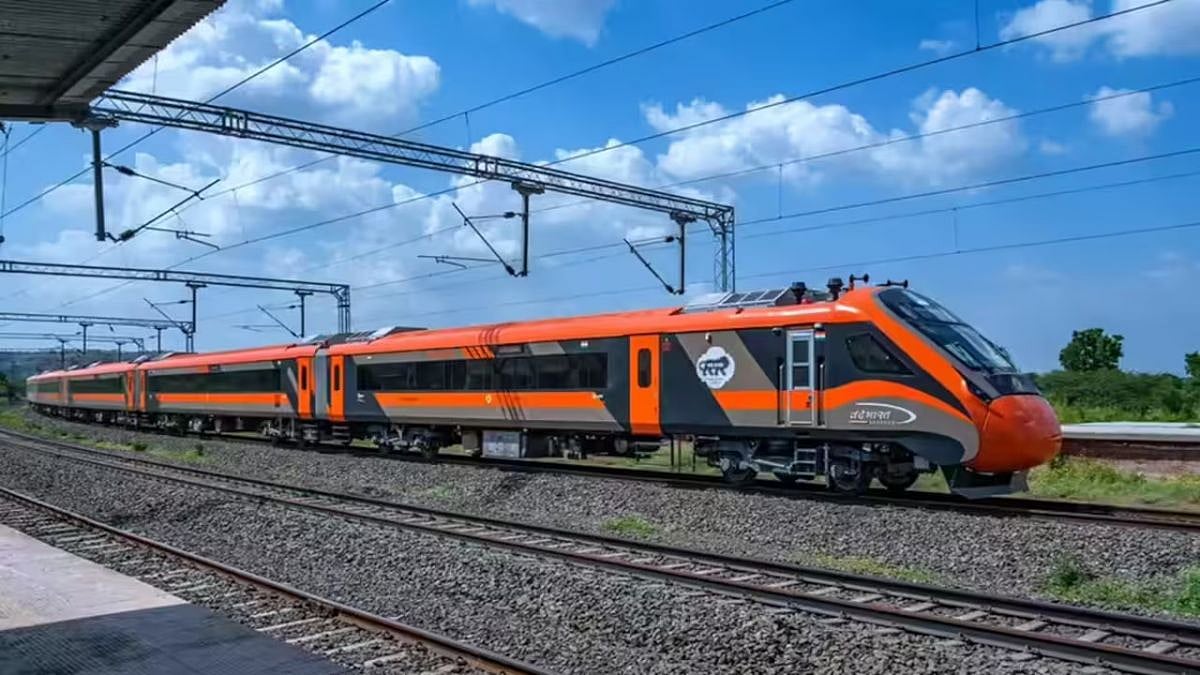
Central Railway tested a railway safety system called KAVACH 4.0.
The test took place in the Solapur Division on a 104.7-kilometre railway section.
It was held on September 19 and 20, 2026.
A safety assessor team from Italy checked whether the system worked correctly in real railway conditions.
The system can help stop trains from passing red signals too quickly.
It can also control train speeds and send SOS alerts during unusual stoppages.
The test included protections against several types of collisions and trains rolling backward.
Workers installed 1,430 RFID tags to support the system.
The successful trial was an important step toward using KAVACH 4.0 more widely on Indian railways.

Central Railway conducted its first Independent Safety Assessor audit trial of KAVACH 4.0 in the Solapur Division.
The trial covered 104.7 route kilometres on the Kurduvadi–Boribial–Kurduvadi section on September 19 and 20, 2026.
An Italian assessor team tested safety functions including SPAD prevention, speed control, SOS alerts and roll-away protection.
The audit also examined collision-prevention features, level-crossing whistling and Station KAVACH installations.
A total of 1,430 RFID tags were installed and programmed according to the approved design and RDSO standards.
- Who
- Central Railway’s Solapur Division, with an Independent Safety Assessor team from Italy, conducted the trial.
- What
- The teams conducted the first Independent Safety Assessor audit trial of KAVACH 4.0 in Central Railway.
- Where
- The 104.7-route-kilometre Kurduvadi–Boribial–Kurduvadi section in Maharashtra’s Solapur Division.
- When
- September 19 and 20, 2026.
- Why
- To validate KAVACH 4.0’s safety functions under field conditions and support stronger railway safety systems.
Key facts
- System tested
- KAVACH 4.0 Automatic Train Protection system
- Railway division
- Solapur Division, Central Railway
- Trial section
- Kurduvadi–Boribial–Kurduvadi
- Distance covered
- 104.7 route kilometres
- Trial dates
- September 19–20, 2026
- RFID tags installed
- 1,430
- Standards used
- Standards prescribed by the Research Designs and Standards Organisation (RDSO)
Sources
Related news
Kavach 4.0 Approved for Rs 252 Crore Lucknow Rail Project
Vande Bharat Sleeper Completes 160 Kmph Kavach Trial

Indian Railways Approves Projects to Boost Safety and Efficiency
Indian Railways Clears ₹675 Crore Safety and Freight Projects
Railways Approves Rs 800 Crore Safety and Freight Projects
Electronic Interlocking Approved for Seven Solapur Division Stations

Uttar Pradesh Plans Aarogya Setu Access To Patient Reports
