1 month ago
Researchers Map Influenza A Virus Hijacking Human Cells
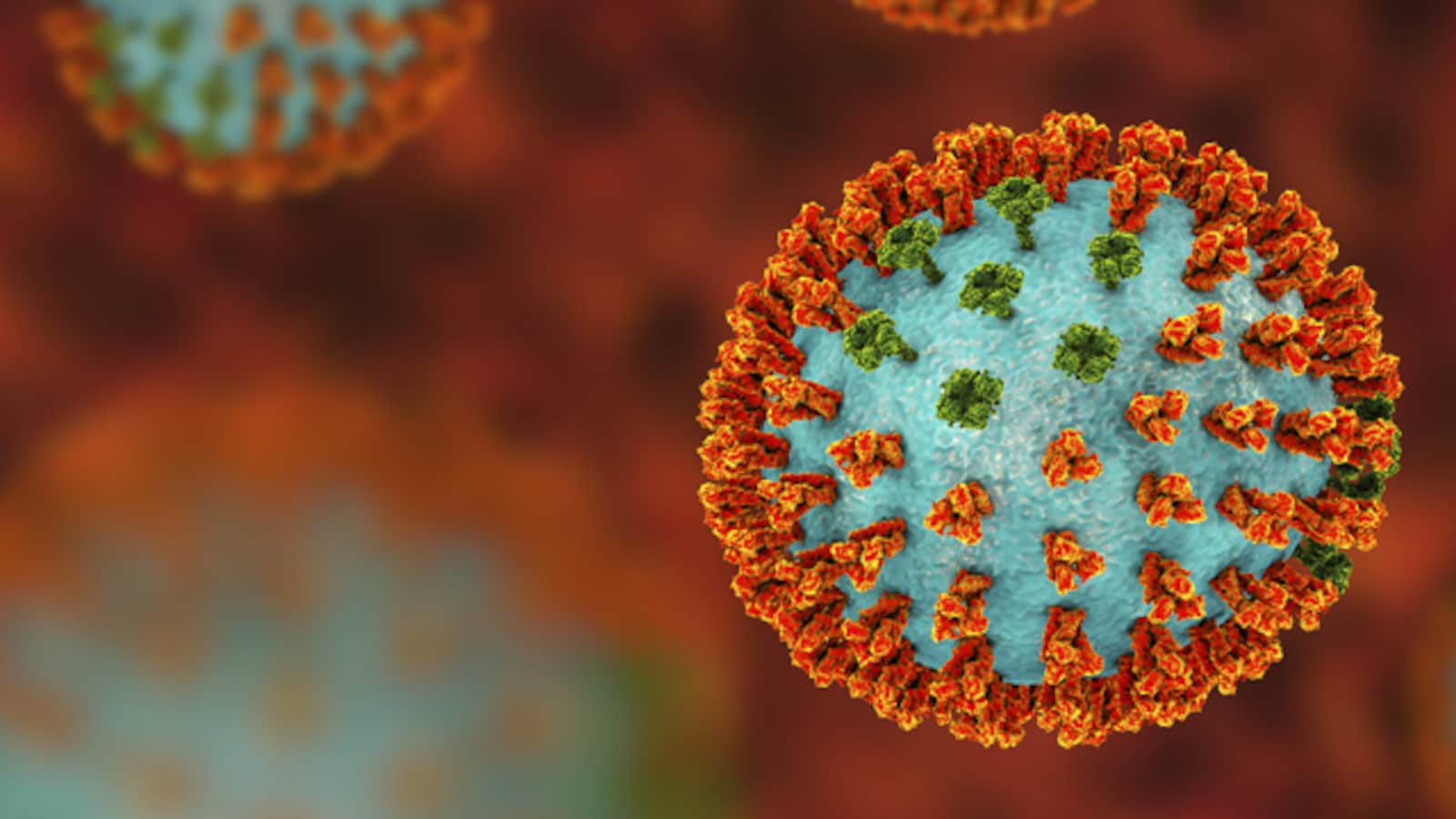
Scientists have made a big discovery about how the flu virus, called influenza A, takes over our cells.
They used special tools to watch how the virus and our cells interact.
The virus tricks our cells into helping it grow and spread.
One surprising thing they found is that the virus makes tiny parts inside our cell's nucleus disappear, which might help the virus and weaken our cell's defenses.
This research could help make better flu medicines and vaccines in the future.
The scientists think their methods could also be used to study other viruses.

Researchers mapped how influenza A virus hijacks human cells using cross-linking mass spectrometry and AlphaFold.
The study identified two major ways the virus takes control: modifying haemagglutinin and dissolving paraspeckles.
Paraspeckles, small compartments in the cell nucleus, dissolve upon infection, releasing proteins the virus uses to replicate.
The research provides structural insights that could support the development of improved flu drugs and vaccines.
The approach could be applied to study other viruses, including potential pandemic strains like H5N1.
- Who
- Researchers from EMBL Hamburg, FMP, Charite - Universitatsmedizin Berlin, and collaborators
- What
- Mapped how influenza A virus hijacks and rewires human cells
- Where
- Research conducted across multiple institutions in Germany
- When
- Study published in Nature Microbiology (specific date not mentioned)
- Why
- To understand virus-host interactions for potential drug and vaccine development
Key facts
- Research Institutions Involved
- EMBL Hamburg, Leibniz Research Institute for Molecular Pharmacology (FMP), Charite - Universitatsmedizin Berlin, and other collaborators
- Method Used
- Cross-linking mass spectrometry (XL-MS) and modified AlphaFold
- Key Findings
- Influenza A virus hijacks host cells by modifying haemagglutinin and dissolving paraspeckles
- Potential Impact
- Could support development of improved flu drugs and vaccines
- Study Publication
- Nature Microbiology
- Lead Researchers
- Jan Kosinski, Boris Bogdanow, Iuliia Kotova
Quotes
Boris Bogdanow
Junior Research Group Leader at the Institute of Virology, Charite - Universitatsmedizin Berlin
“While the exact host factors and mechanisms often differ from virus to virus, we think our overall approach - combining in-cell cross-linking, structural modelling, and targeted cell-biology follow-up to map native virus-host interactions at specific stages of infection - remains broadly applicable.”
 NDTV
NDTV
“Although this study has focused on a lab-adapted strain, this study lays the groundwork to apply the methodology to viruses of potential pandemic relevance, such as H5N1, and for uncovering the interaction networks that support their multiplication in human cells.”
NDTV
Sources
Related news

Indian firms power Boeing, Lockheed Martin global defence supply chains

IIT Roorkee Launches Online AI Programme for Working Professionals

Delhi Police Arrest Two in Stolen Credit Card Gold Coin Fraud

OpenAI Rolls Out GPT-5.6-Cyber Cybersecurity Model After Astra AI Delay

US Department of War Expands GenAI.mil With ChatGPT, Grok

Artificial Light at Night Harms Humans and Wildlife, Scientists Warn

Rare Condition Causes 'Drunk' Symptoms Without Alcohol

Mouth Bacteria Predict Chronic Liver Disease Risk