1 day ago
Yogendra Yadav Calls for New Ideas Beyond Western Modernity

Yogendra Yadav says many ideas created in the 20th century are no longer working well.
He argues that modern democracy often gives real power to only a few people.
He says nation-states can make people feel connected, but can also create enemies and hatred.
He believes economic development has improved life for some while damaging nature and leaving many behind.
He also says modern science can narrow knowledge by accepting only certain kinds of evidence.
Religious life, he argues, has become more competitive, commercialized and sometimes extreme.
Yadav identifies five basic human needs: self-rule, belonging, well-being, truth and happiness.
He believes the world should create new institutions to meet these needs.
He says older ideas from different parts of the world could help build those new systems.

Yogendra Yadav argues that 20th-century institutions no longer address today’s challenges.
He criticizes liberal democracy for enabling disempowerment, oligarchy, media control and money power.
He says nation-states have often created exclusion and hostility rather than genuine belonging.
Yadav links capitalist development to unequal prosperity and ecological destruction.
He proposes redesigning institutions around self-rule, belonging, well-being, truth and happiness.
- Who
- Yogendra Yadav, a member of Swaraj India and national convenor of Bharat Jodo Abhiyaan, is the writer.
- What
- He argues that inherited models of democracy, nationalism, development, science and religion should be redesigned.
- Where
- The argument addresses global systems, with references to Europe, America, Nepal, Gaza and India’s anti-colonial nationalism.
- When
- The discussion concerns the 21st century and the present period.
- Why
- Yadav says these older models have produced disempowerment, exclusion, inequality, ecological destruction and other unintended consequences.
Yadav’s Critique of Modernity
Modernity’s Intended Promises
Democracy
Yadav’s Critique of Modernity
Yadav argues that liberal democracy has often produced disempowerment, oligarchy, media control, money power, populism and elected autocracy.
Modernity’s Intended Promises
The modern democratic model is presented as an attempt to realize self-rule through popular sovereignty, representative government, majority rule and competitive elections.
Nation-state
Yadav’s Critique of Modernity
Yadav says nation-states have frequently created othering and belonging through hostility toward internal or external enemies.
Modernity’s Intended Promises
The nation-state is presented as a political community responding to people’s desire for belonging, freedom from solitude and collective identity.
Development and knowledge
Yadav’s Critique of Modernity
Yadav links capitalist development to inequality and ecological damage, and criticizes modern science for narrowing knowledge into technical, value-free domains.
Modernity’s Intended Promises
Development is presented as an effort to achieve material well-being through economic growth, while modern science seeks to distinguish reliable knowledge through objective, replicable and validated claims.
Key facts
- Writer
- Yogendra Yadav
- Central argument
- The 21st century needs new institutional ideas rather than continued reliance on outdated 20th-century templates.
- Democracy critique
- Liberal democracy is described as vulnerable to state overreach, party oligarchy, corporate-controlled media and money power.
- Nation-state critique
- Nation-states are said to have produced othering and hostility as well as belonging.
- Development critique
- Capitalist growth is linked to unequal prosperity and ecological destruction.
- Five human quests
- Self-rule, belonging, well-being, truth and happiness.
- Proposed opportunity
- Yadav says the weakening of Western modernity creates space for older traditions and innovative hybrids.
Quotes
Alexis de Tocqueville
Nineteenth-century French political thinker and historian quoted by Yadav.
“I find no parallel to what is occurring before my eyes; since the past has ceased to throw its light upon the future, the mind of man wanders in obscurity.”
 indianexpress.com
Sources
Related news

Two Gen Zs, One Bharat: Author Urges Rooting in Hindutva
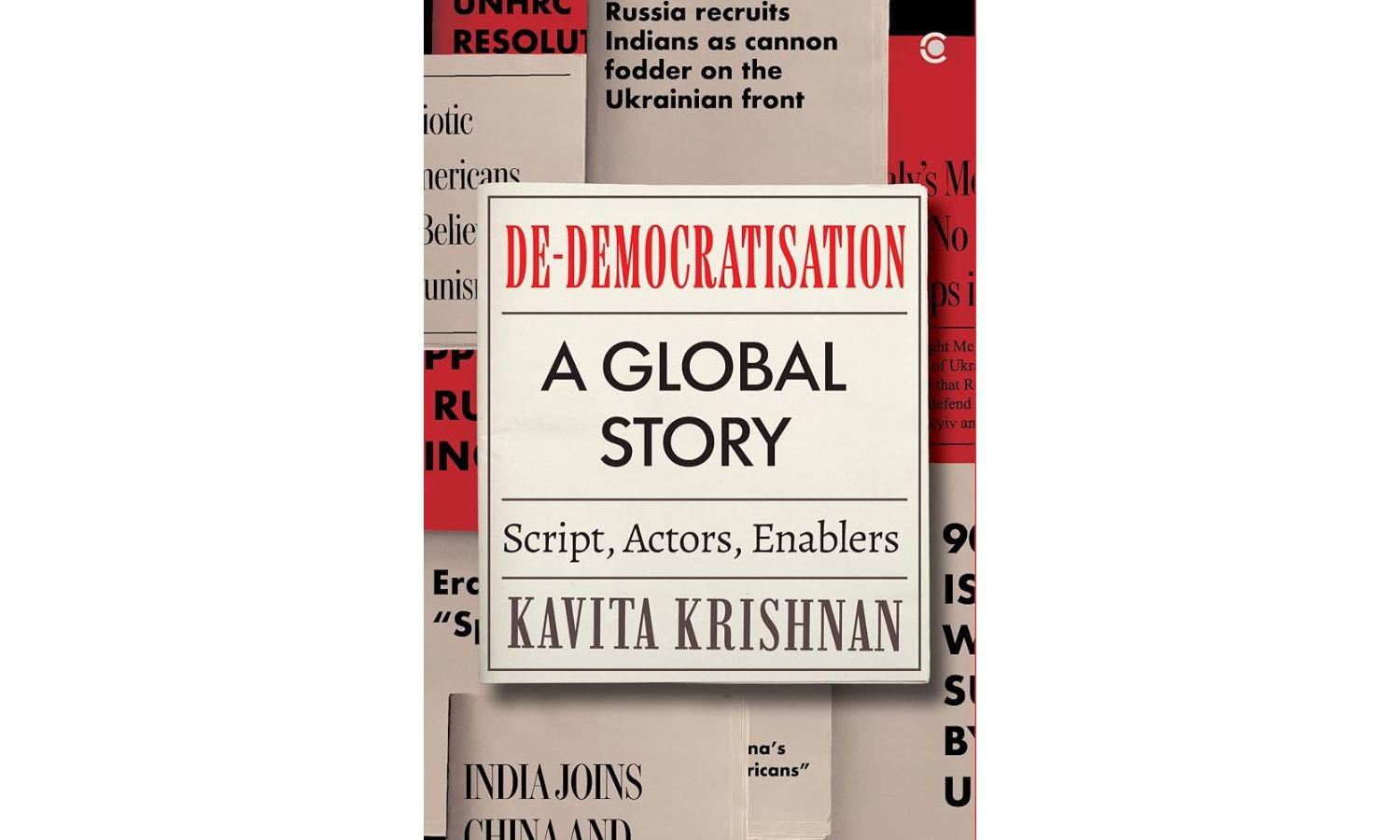
Kavita Krishnan's 'De-democratisation': An Angry Riposte to Leftism
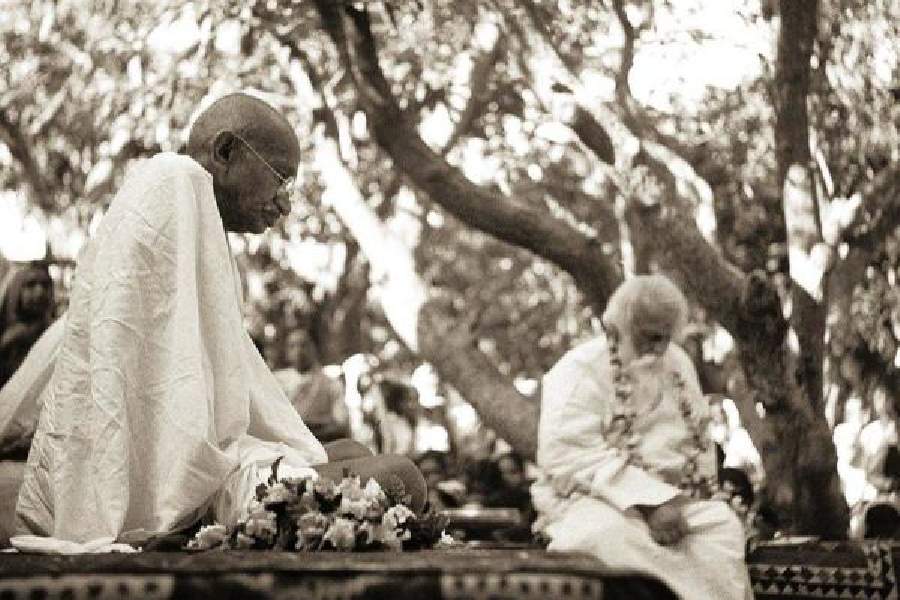
Search for Indianness needs open sky, not parochial Indian theory
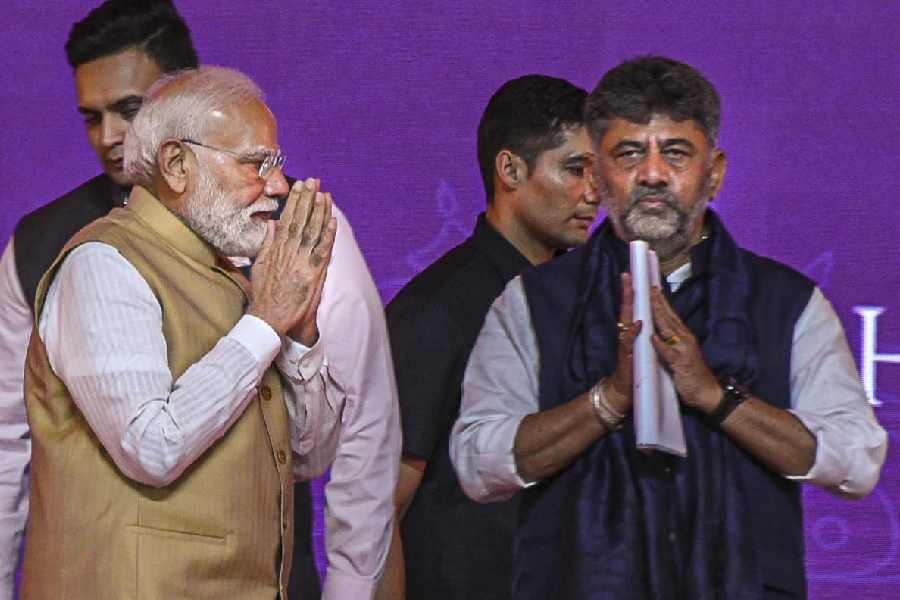
India’s Opposition Struggles to Offer an Alternative Social Vision

Philosopher-poet Jernail Singh Anand releases essays on modernity's 'ethical blank'

How Alt-Right Movements Recast Hinduism’s Kaliyuga as Political Myth