4 days ago
India’s Opposition Struggles to Offer an Alternative Social Vision
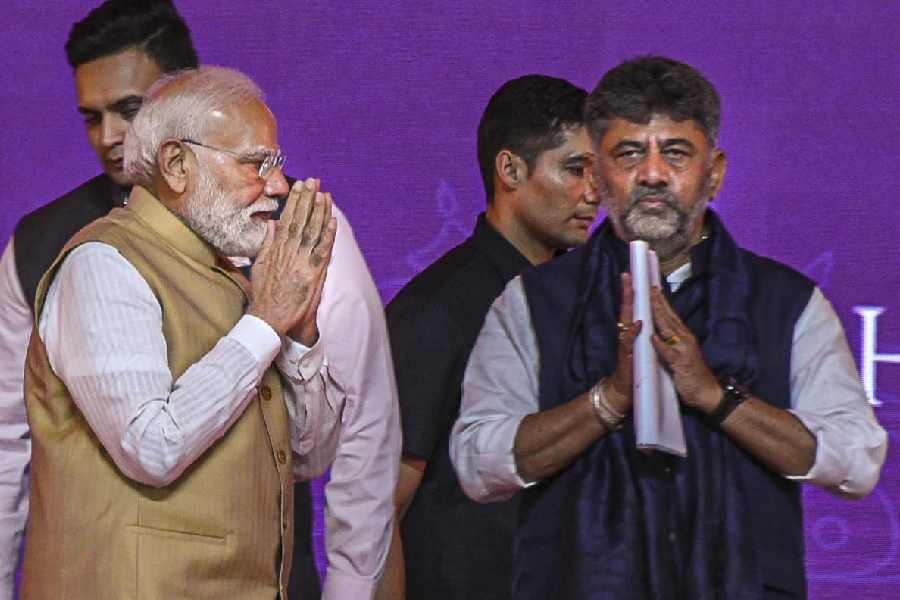
The article says many people in India are protesting because they feel the country’s institutions are not serving them well.
Young people are especially concerned about jobs and poor public schools.
It calls this renewed public energy a “democratic spring.”
The article says the BJP remains powerful because it combines Hindu nationalism with market-oriented governing methods.
These methods include targeted cash benefits, privatisation and outsourcing.
The author argues that these policies can make workers and disadvantaged groups less able to organise together.
The Congress criticises inequality but is accused of using similar policies in states it governs.
The article says the Opposition needs a clearer plan for organising society and improving young people’s lives.

The article describes a “democratic spring” driven by protests from farmers, workers, tribals, Muslims, Dalits and young people.
It argues that the BJP’s strength comes from combining Hindu nationalism with neoliberal methods of governing.
According to the article, cash transfers, privatisation and outsourcing have weakened collective welfare, labour and caste-based mobilisation.
The Congress presents politics as a conflict between the marginalised majority and powerful oligarchs, but its state governments are portrayed as following similar economic practices.
The article concludes that youth demands for jobs and better public education require an alternative to the prevailing neoliberal consensus.
- Who
- The article discusses the Bharatiya Janata Party, Opposition parties—especially the Indian National Congress—and protesters including young people, farmers, workers, tribals, Muslims and Dalits.
- What
- It examines why the BJP remains dominant and argues that Opposition parties have failed to present a coherent alternative social and economic vision.
- Where
- India, including Congress-ruled Karnataka and Telangana, as well as youth protests associated with Jantar Mantar.
- When
- The discussion concerns the 21st-century political period, especially the Narendra Modi era and developments over the last decade.
- Why
- The author argues that public dissatisfaction over jobs, education and exclusion can strengthen democracy only if the Opposition turns it into a credible governing alternative.
Key facts
- Central concept
- An alternative “social imaginary,” meaning a framework for organising society and the economy.
- BJP model
- The article calls the BJP’s governing framework “neoliberal Hindutva,” combining Hindu nationalism with neoliberal governance.
- Youth concerns
- Jobless growth and a dilapidated public education system.
- Welfare shift
- The article says expanded cash transfers have treated people more as individual beneficiaries than collective claim-makers.
- Congress criticism
- The article argues that Congress-led governments in Karnataka and Telangana use coercive neoliberal techniques similar to those it attributes to the BJP.
- Karnataka example
- The Greater Bengaluru Integrated Township and a proposed transportation corridor are presented as projects criticised for benefiting private real-estate interests.
- Political conclusion
- The author says the Opposition must break with the neoliberal consensus and offer substantive solutions for young people.
Sources
Related news
Shashi Tharoor Urges Opposition to Learn From Youth Revolt

Democracy needs humility, institutional accountability as 'Quit BJP' resurfaces
New political mood takes shape in India amid calls for accountability
Youth Protests Expose India's Institutional Failures, Guruswamy Says

Indian Government Faces Backlash Over Youth NEET Agitation
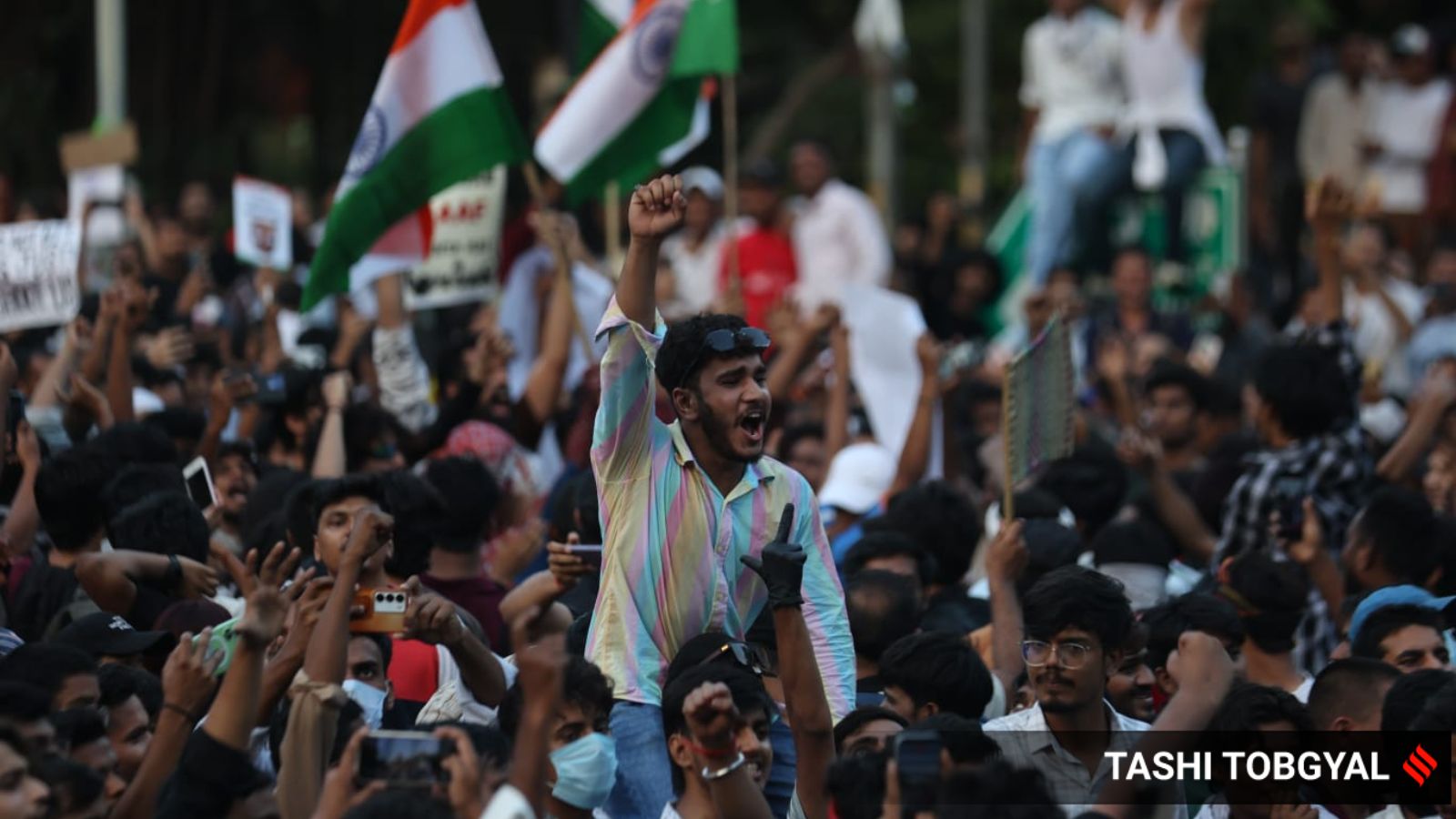
After Jantar Mantar, BJP and Congress Face Internal Tests

Shivakumar Seeks NITI Aayog Funds, Backs Second Bengaluru Plan
Shivakumar Says Sita’s Sacrifice Inspires Women Entrepreneurs and Leadership
Karnataka to Launch Praja Seva Campaign in Kudligi September 5
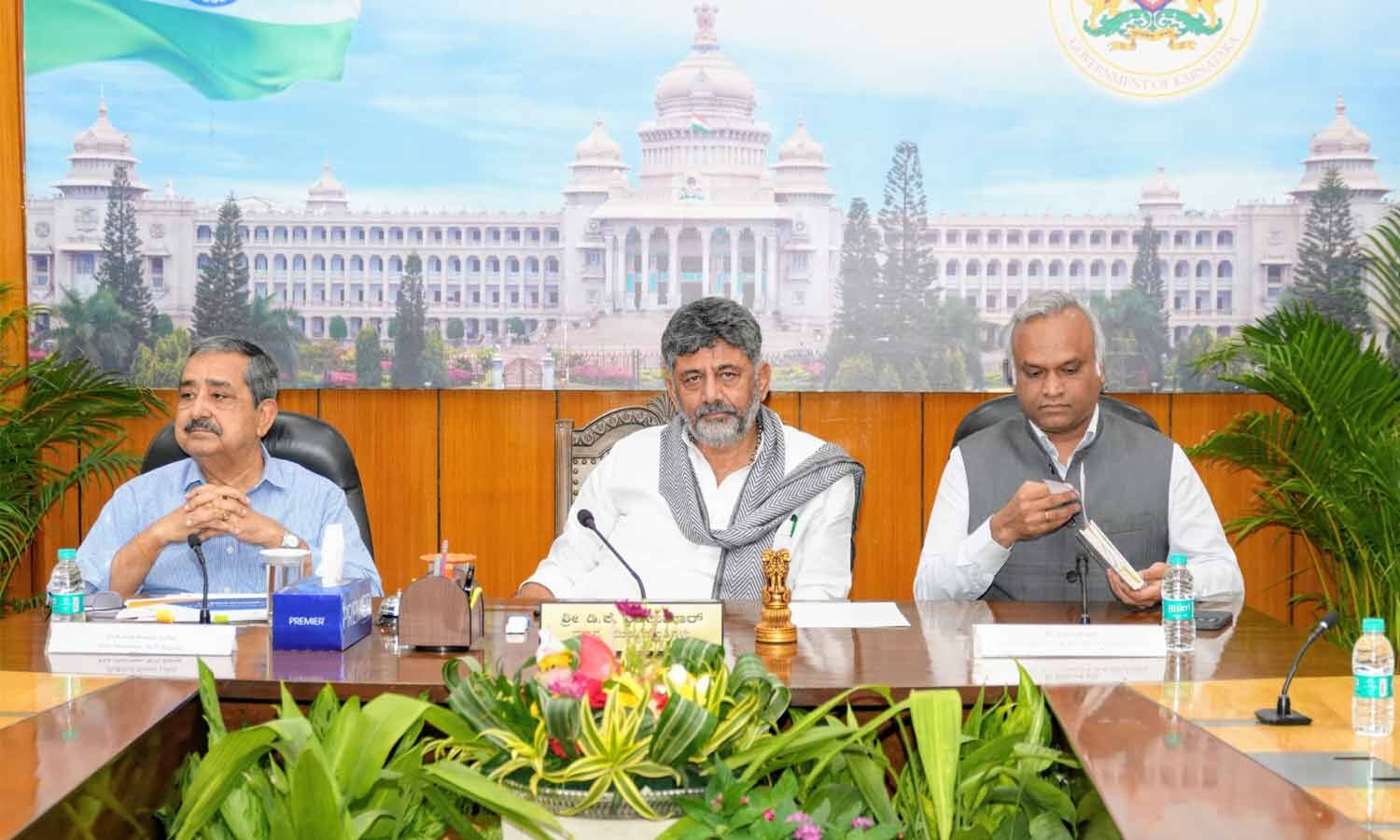
Shivakumar Calls BJP Padayatra Cover-Up for Internal Crisis
Congress MLA Threatens Resignation Over Jagalur Drought Recognition