

3 hrs ago
Wheat Futures Fall as Traders Assess Black Sea Shipment Outlook

Wheat prices went down on Friday.
Traders heard that Russia and Ukraine are still talking.
They hoped the talks might eventually make it easier to ship grain from the Black Sea.
Ukraine also said U.S. representatives would visit both countries.
However, there was no clear sign that a peace agreement was close.
Russia and Ukraine continued attacking ships and important facilities.
This means grain shipments are still disrupted.
If the disruption lasts, food supplies could become tighter and prices could rise.

Chicago wheat futures fell as much as 2.7% Friday and were headed for a roughly 6% weekly decline.
Traders sold wheat after Vladimir Putin said Russia and Ukraine remain in contact, though he offered little evidence of peace-deal progress.
Volodymyr Zelenskyy said U.S. envoys Steve Witkoff and Jared Kushner would visit Moscow and Ukraine in coming days.
Russia and Ukraine continued attacks on Black Sea vessels and infrastructure despite signs of possible negotiations.
Ongoing fighting has kept Black Sea grain shipments below normal and pushed buyers toward alternative supplies.
- Who
- Wheat traders, Russia, Ukraine, Russian President Vladimir Putin, Ukrainian President Volodymyr Zelenskyy, and U.S. envoys Steve Witkoff and Jared Kushner.
- What
- Chicago wheat futures fell as traders reassessed the prospects for Black Sea grain shipments and Russia–Ukraine negotiations.
- Where
- The Chicago wheat market and the Black Sea region, including Moscow, Ukraine, and Kyiv.
- When
- Friday, following Putin’s comments on Thursday and a sharp Thursday selloff.
- Why
- Prices fell as traders temporarily reduced the geopolitical risk premium, although fighting and attacks continued to threaten grain shipments.
Reduced Geopolitical Risk
Continuing Supply Risks
Interpretation of negotiations
Reduced Geopolitical Risk
Traders viewed continued Russia–Ukraine contacts and planned U.S. envoy visits as a possible sign of more constructive negotiations, reducing some of wheat’s geopolitical premium.
Continuing Supply Risks
Analysts said Putin’s comments offered limited evidence that underlying geopolitical risks had materially improved.
Effect on grain markets
Reduced Geopolitical Risk
A possible de-escalation could support more normal Black Sea grain shipments and ease pressure on wheat prices.
Continuing Supply Risks
Ongoing attacks on vessels, ports, and export terminals continue to restrict shipments, potentially tightening global supplies and raising food costs.
Key facts
- Largest intraday decline
- The most-active wheat futures contract fell as much as 2.7% Friday.
- Weekly performance
- Prices were on track for an approximately 6% weekly decline.
- Recent price movement
- Wheat prices had risen more than 10% in the last week of August and reached their highest levels since 2023 earlier in the week.
- Diplomatic contacts
- Putin said Russia and Ukraine maintain contacts, but gave little indication of progress toward a peace deal.
- Planned visits
- Steve Witkoff and Jared Kushner were expected to visit Moscow and then Ukraine in the coming days.
- Military activity
- Russian forces struck two Black Sea vessels, while Ukraine attacked a service ship involved in repairs at a key regional oil terminal.
- Supply impact
- Fighting has kept Black Sea grain shipments below normal and damaged ports and export terminals.
Quotes
STAG International analysts
Analysts who wrote the cited Friday market note
“The sharp decline in wheat futures appears to reflect the market initially removing part of the Black Sea geopolitical premium on expectations of potentially more constructive Russia–Ukraine negotiations. However, Putin’s latest comments provide limited evidence that the underlying geopolitical risk has materially improved.”
 livemint.com
Sources
Related news
Black Sea Tensions Send Wheat to Limit-Up, Corn Higher

Wheat Prices Reach Three-Year High as Black Sea Crisis Deepens

Chicago Wheat Falls as Turkey Revives Black Sea Grain Plan
Wheat Climbs Ahead of USDA Report on Tightening Grain Supply
Wheat Hits Three-Year High as Russia Prepares to Escalate War
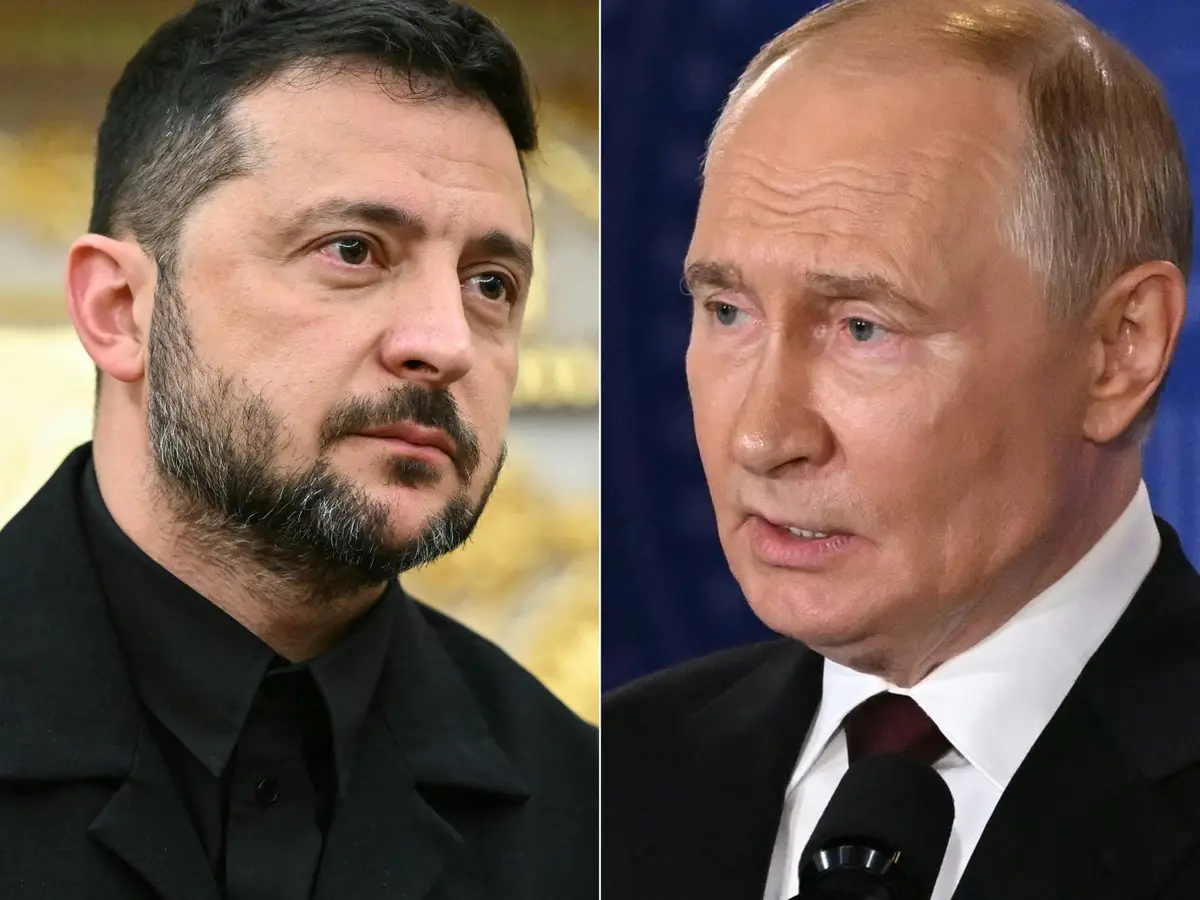
Ukraine offers Russia proposal to halt Black Sea civilian attacks
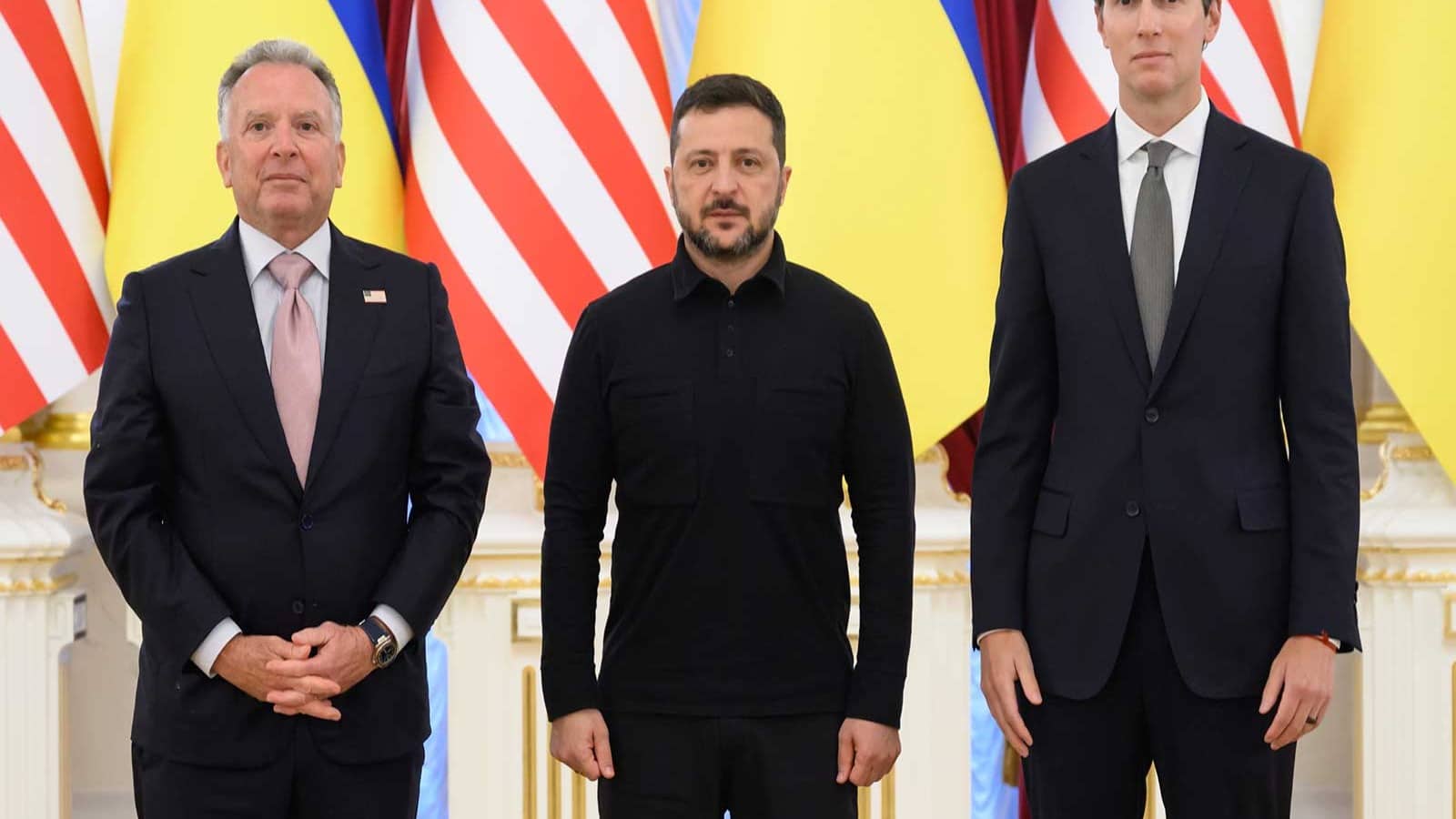
Zelenskyy Says Territory Remains Relevant in Ukraine Peace Talks
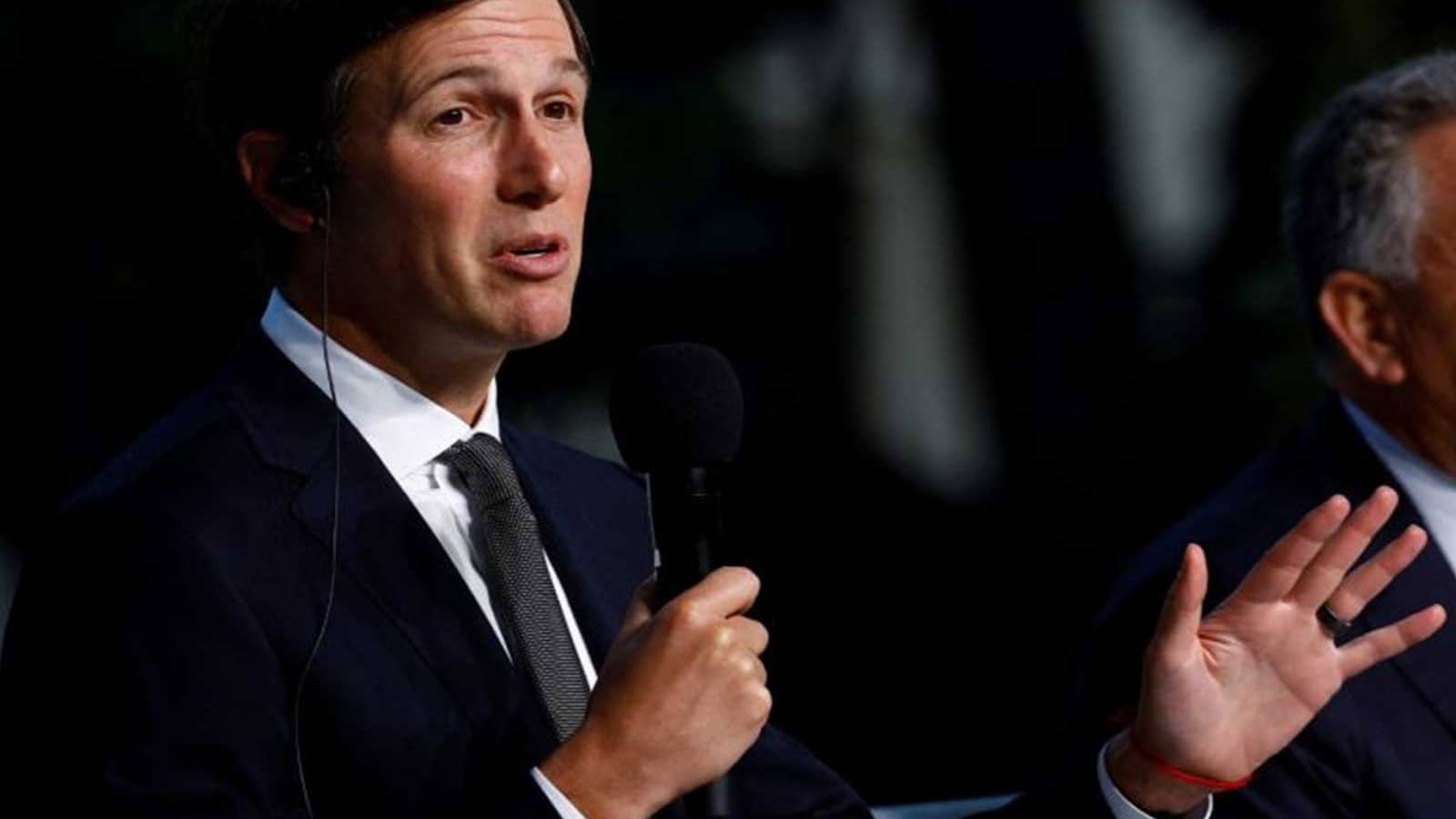
Kushner Says Israeli Election Complicates Gaza Disarmament Efforts

Zelensky Warns Russia-Ukraine War May Continue Into Winter

US Envoys Hold Kyiv Talks as Peace Prospects Remain Uncertain
