4 hrs ago
Saudi Security Reliance on US and Pakistan Fails Against Houthis
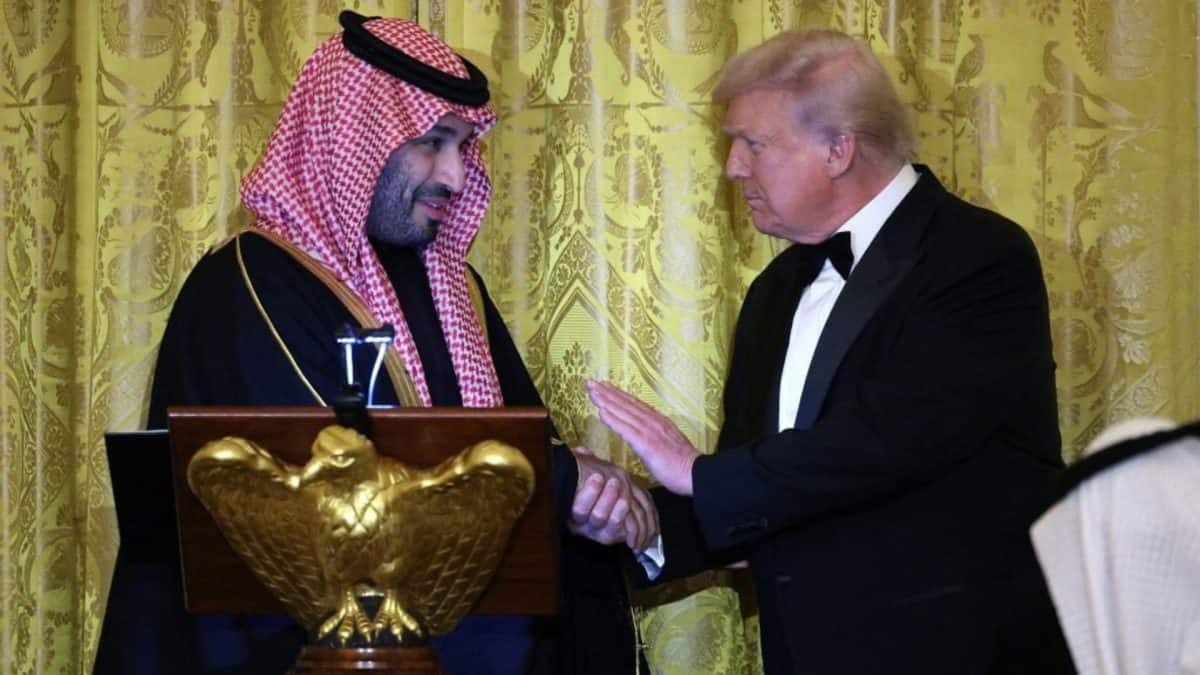
Saudi Arabia has depended on the United States and Pakistan for help with its security for many years.
An expert, Alvite Ningthoujam, says that this plan did not stop the Houthis from attacking.
The article says the United States did not intervene when Saudi Arabia asked for help.
It also says Pakistan did not condemn the attacks at first.
Pakistan and Saudi Arabia later activated their Mecca Agreement, after a month of bombardment, according to the article.
Saudi Arabia then sought military assistance from the United Kingdom and France.
Ningthoujam says Saudi Arabia spent too much attention on internal security and relied too heavily on outside support.
He argues that the country needed stronger defences against threats from outside.

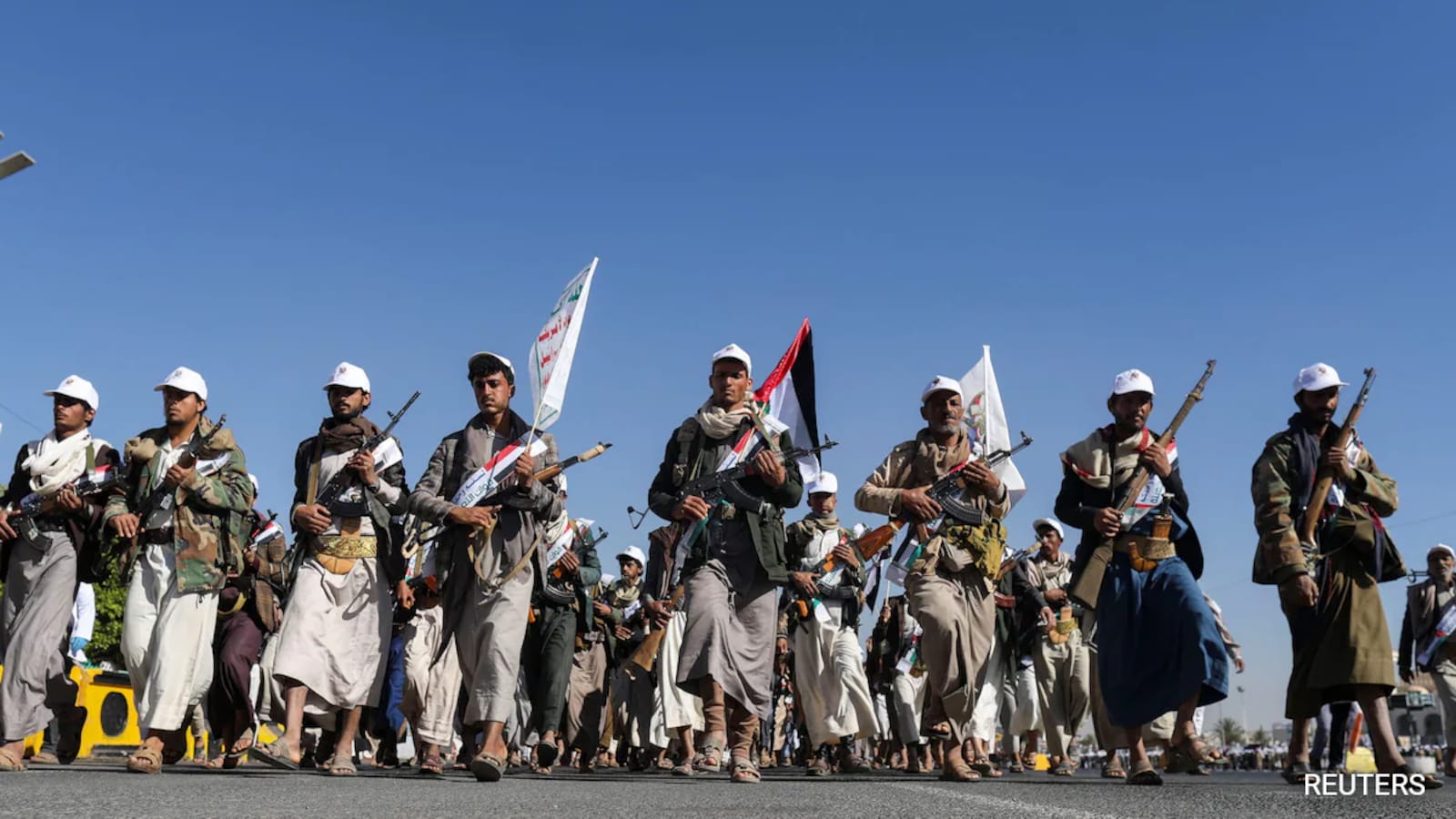
West Asia expert Alvite Ningthoujam says Saudi Arabia’s reliance on the United States and Pakistan failed to deter Houthi attacks or ensure an effective response.
The article says the United States had a long-standing security role in Saudi Arabia, while Pakistan had provided military support since the 1960s.
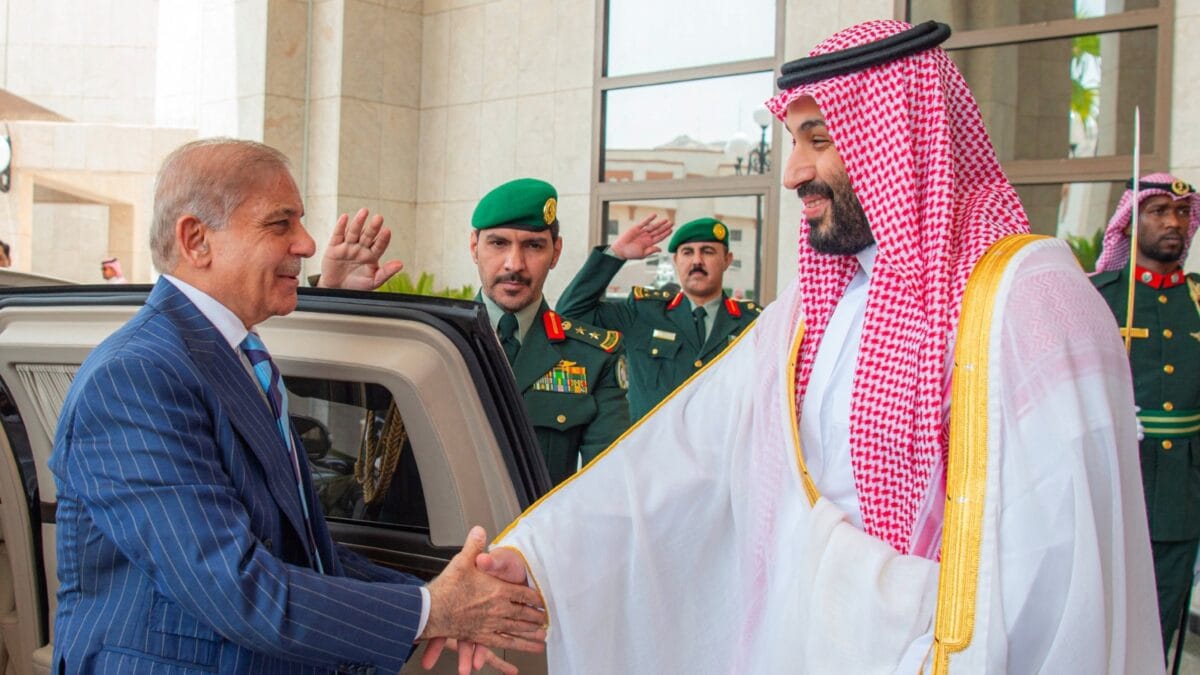
Saudi Arabia and Pakistan formalised a mutual defence agreement in 2025 and later expanded it through the Mecca Agreement, according to the article.
The article reports that Donald Trump refused Mohammed bin Salman’s requests for US intervention, while Pakistan did not condemn the Houthi attacks.
Ningthoujam argues that Saudi Arabia’s focus on foreign security guarantees and internal security left it insufficiently prepared for external threats.
- Who
- Saudi Arabia, the Houthis, and Saudi security partners including the United States and Pakistan; the analysis is attributed to Alvite Ningthoujam.
- What
- An expert says Saudi Arabia’s reliance on outside security guarantees failed to deter Houthi attacks or provide an effective response.
- Where
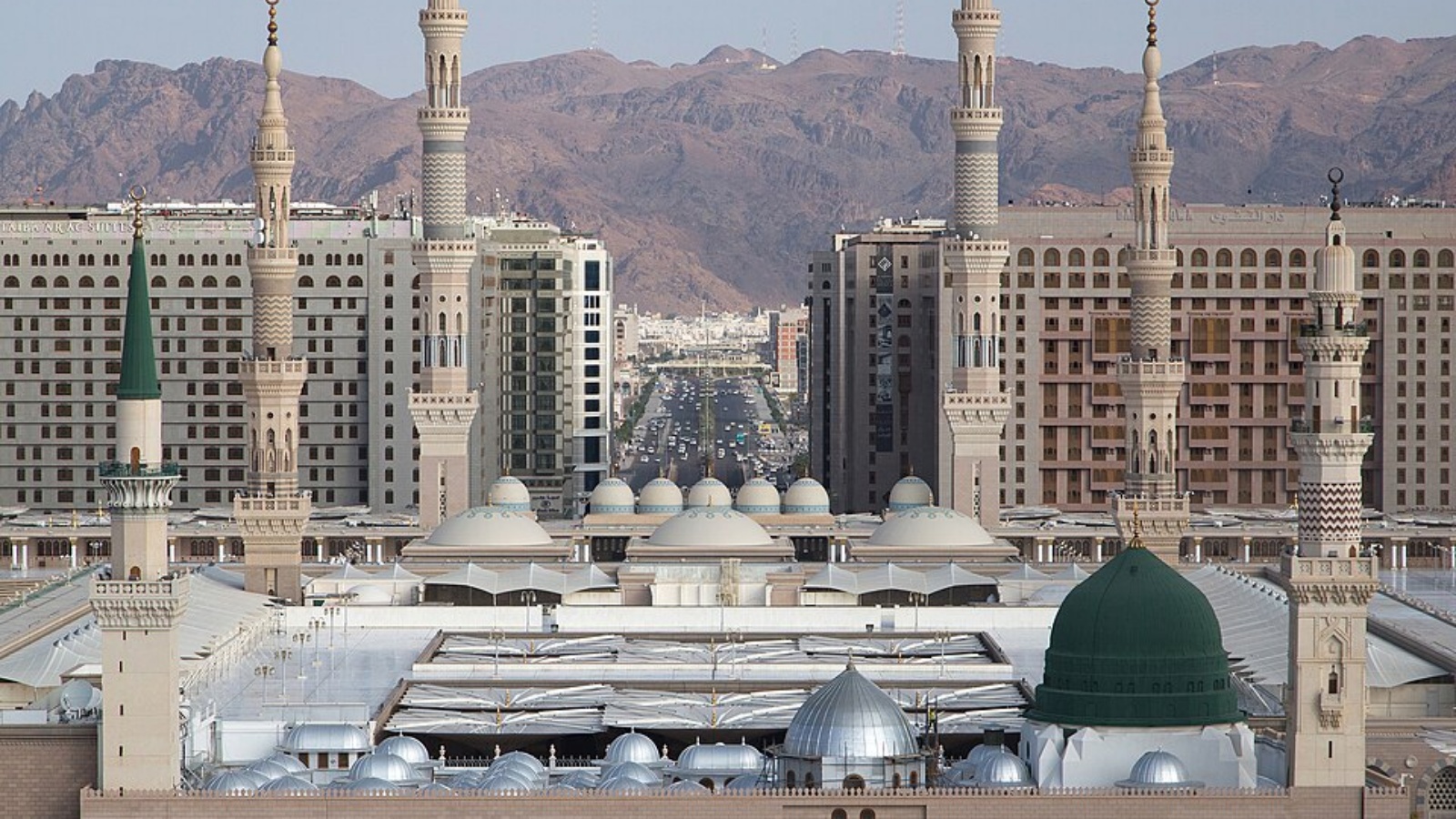
- Saudi Arabia, including attacks on Mecca and Medina; the Houthis are described as based in Yemen.
- When
- The article refers to attacks earlier this year and says the Saudi-Pakistani mutual defence agreement was formalised in 2025.
- Why
- Ningthoujam says Saudi Arabia relied on external guarantees and focused heavily on internal security rather than building robust external defences.
Key facts
- Expert quoted
- Prof. Alvite Ningthoujam, Deputy Director of Symbiosis School of International Studies
- Saudi security partners discussed
- The United States and Pakistan
- Saudi-Pakistani agreement
- A mutual defence agreement was formalised in 2025, according to the article
- Later agreement
- The article says the alliance was expanded through the Mecca Agreement
- Reported attacks
- The article says Houthi attacks struck Saudi Arabia, including Mecca and Medina
- Other countries approached
- Mohammed bin Salman turned to the United Kingdom and France for military assistance, the article says
Quotes
Prof. Alvite Ningthoujam
Deputy Director of Symbiosis School of International Studies at Symbiosis International University, Pune
“That's why they never build a robust military because they always believed they could buy security.”
 firstpost.com
“Firstly, they believed they could buy security and relied on the United States.”
firstpost.com
Sources
Related news
Pakistan Hesitates as Houthi Attack Tests Mecca Defence Pact
Saudi Allies Face Questions Over Mecca Defence Pact
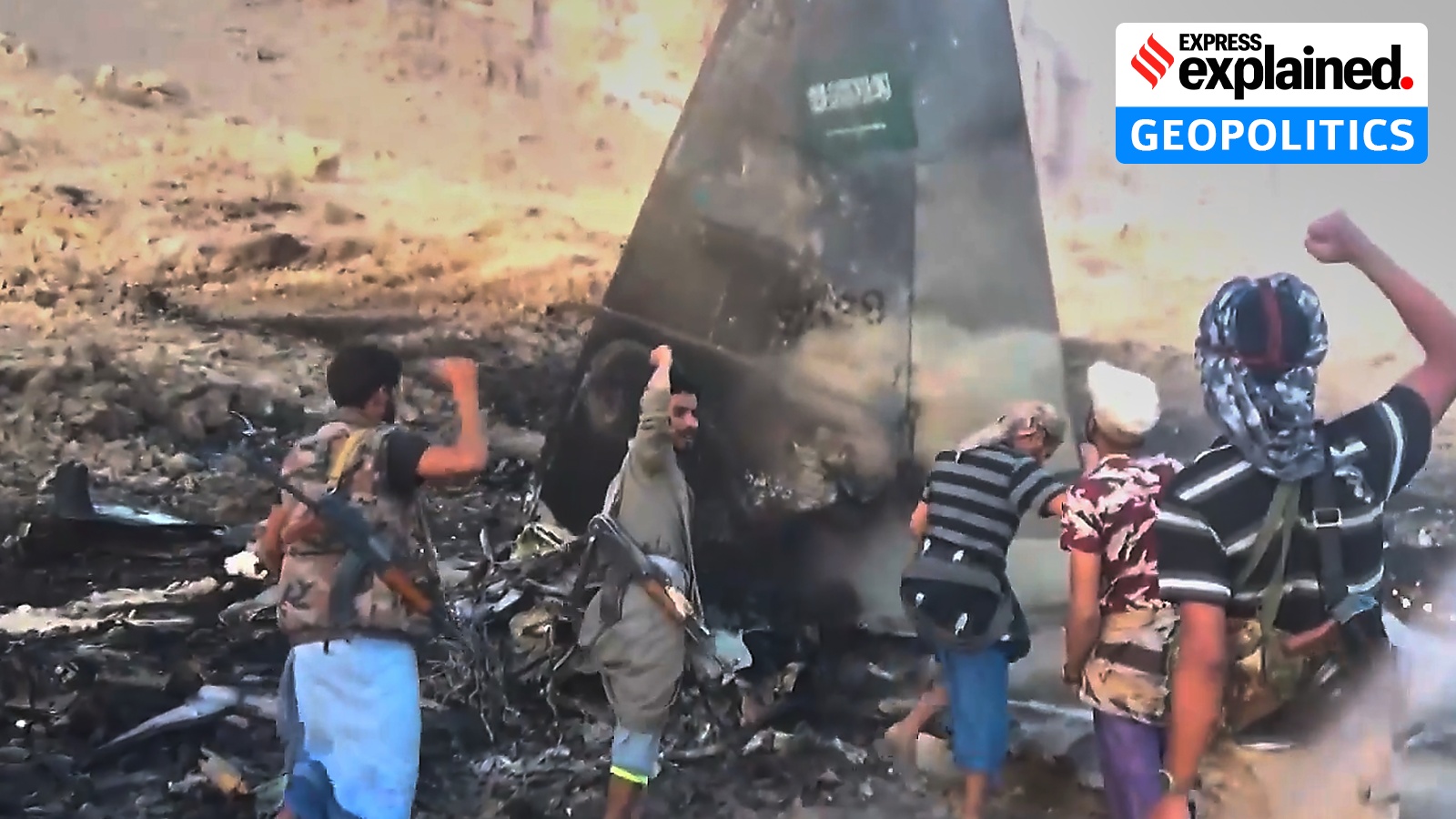
Houthi Drone Near Mecca Tests Saudi-Pakistan Defense Pact
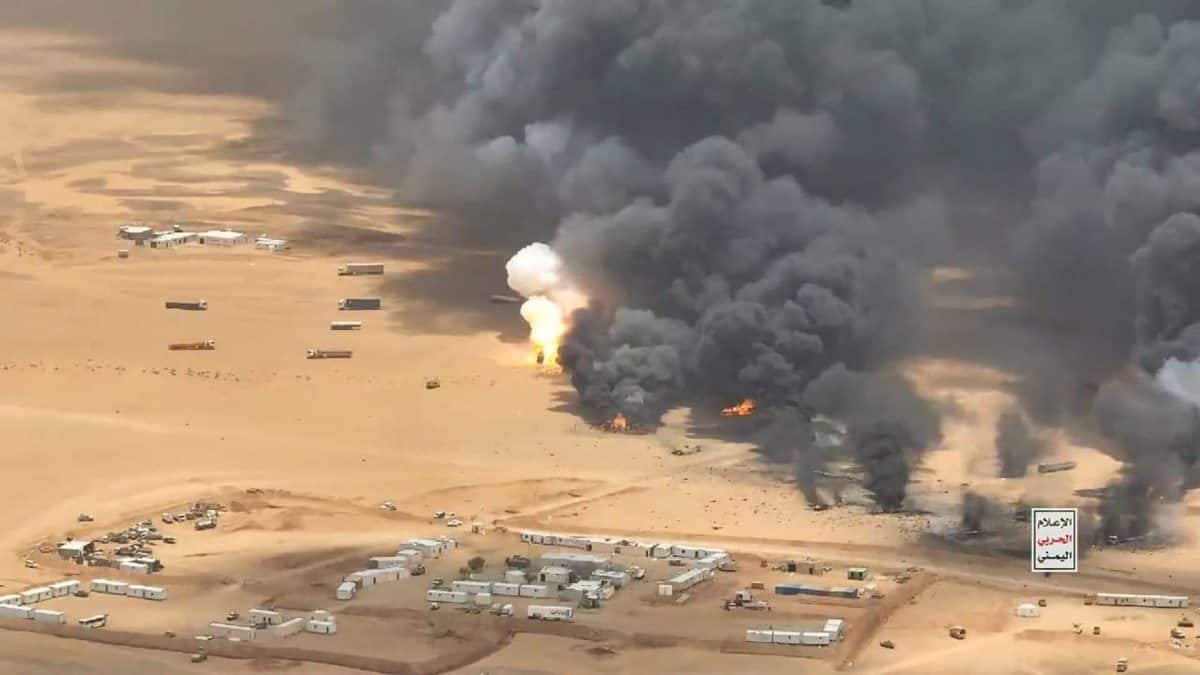
Why Saudi Allies Have Not Joined Fighting Against Houthis
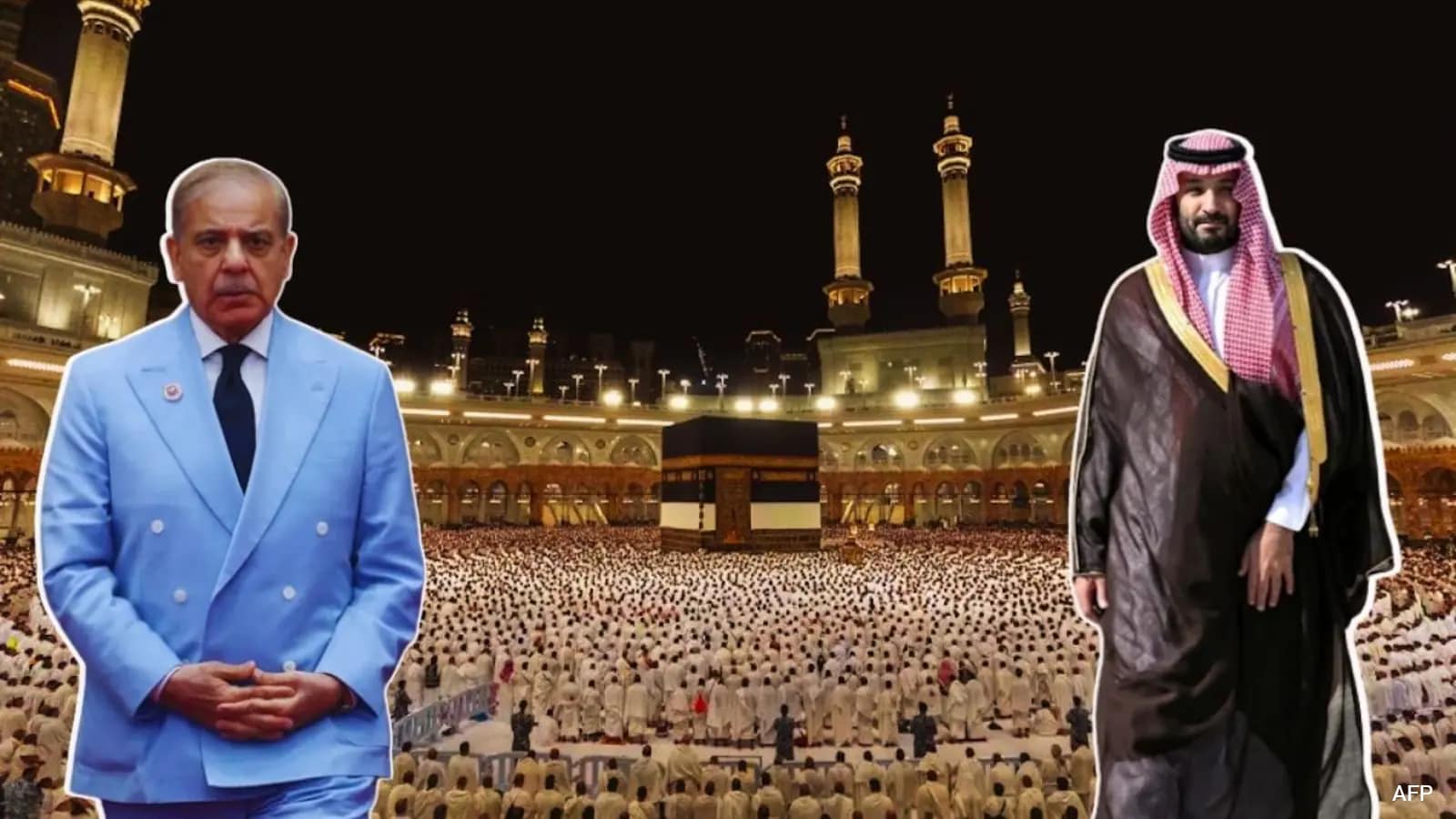
Mecca Alert Exposes Strains in Saudi-Pakistan Defence Pact
Saudi Arabia Seeks European Help as Mecca Pact Unravels
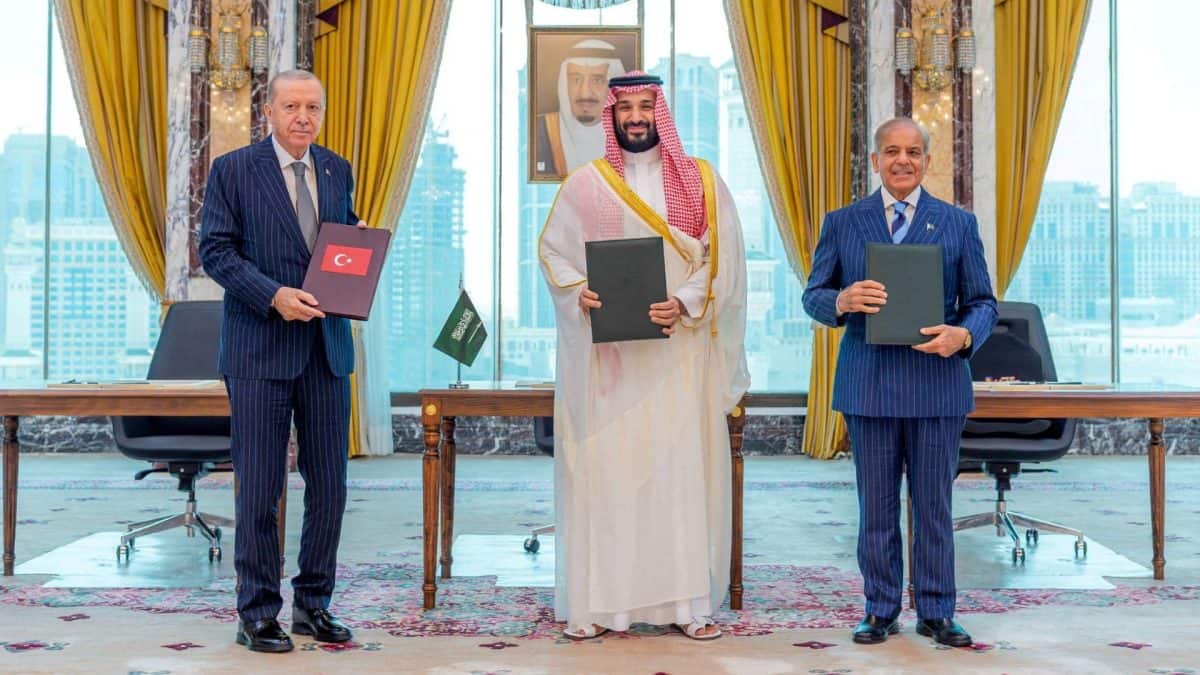
Saudi Arabia, Turkey and Pakistan Activate Mecca Defence Pact
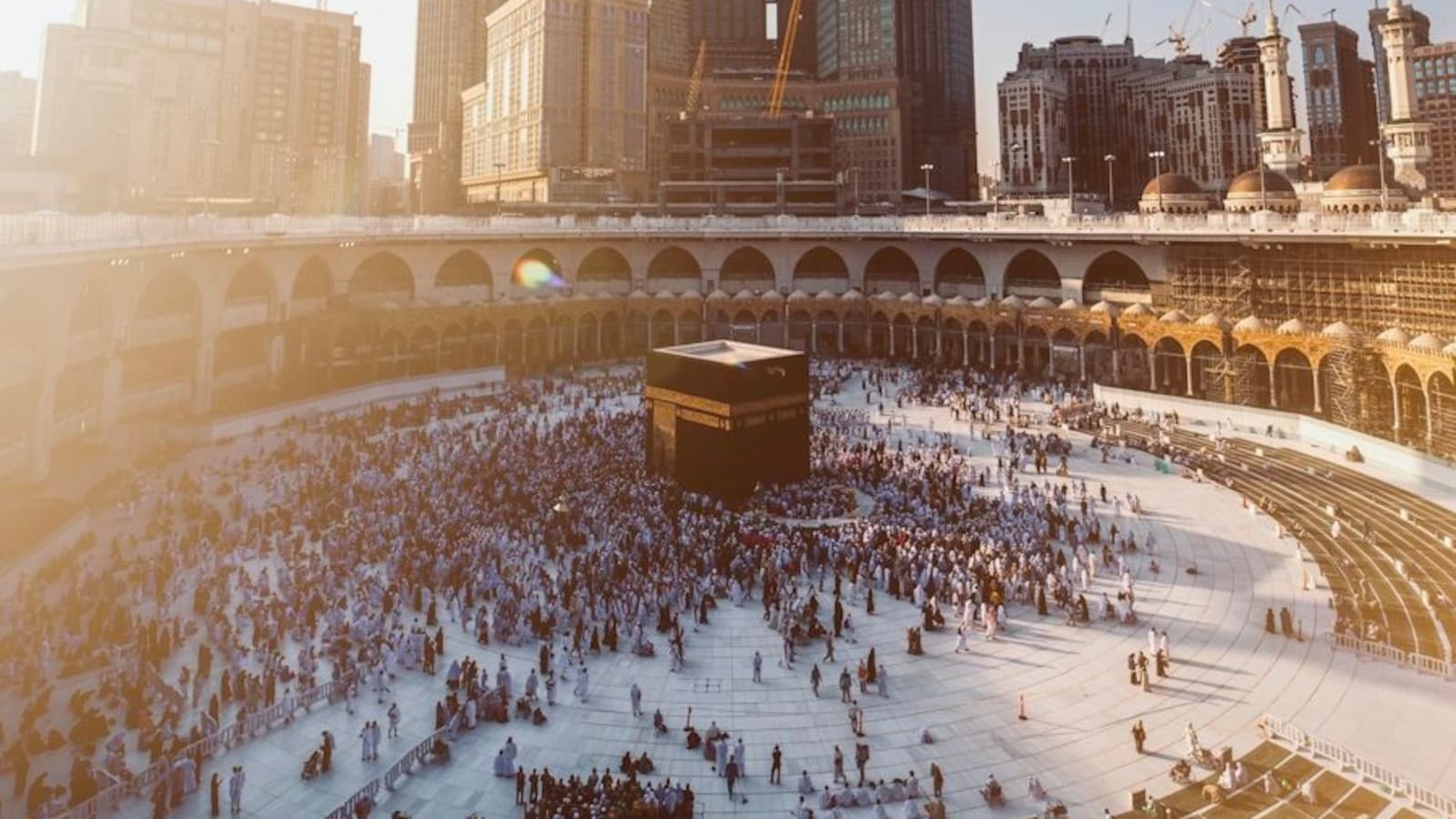
Saudi Denies Suicide Bombing Attempt at Mecca Mosque

Yemen Reports 20 Strikes on Houthi Targets in Taiz

Saudi Coalition Says Houthis Attacked Madinah Power Station