

1 week ago
Germany urges Europe to restrict Russian tourist visas after sabotage
Germany wants European countries to make it harder for Russian citizens to get tourist visas.
German officials are worried that some visitors could be involved in sabotage.
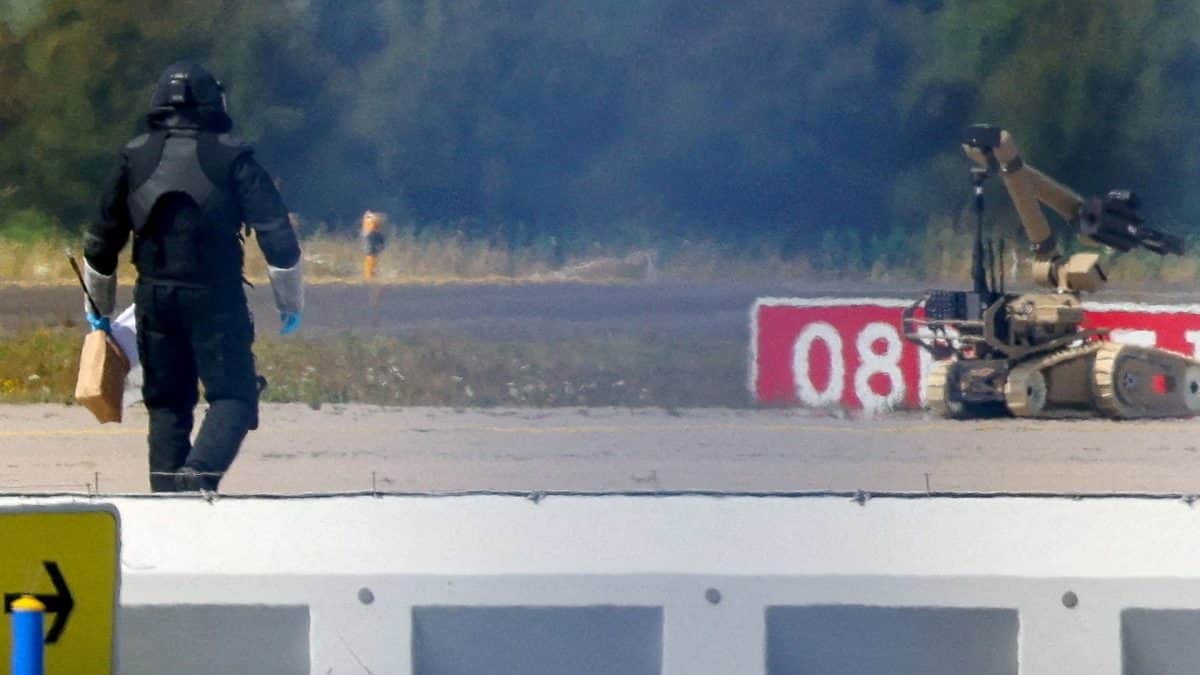
They are investigating a Belarusian man with a Russian passport over an alleged plot involving Leipzig airport.
The man reportedly used a tourist visa issued by Italy.
Germany says too many visas make it difficult to know who is entering Europe and why.
Italy says visas are granted when applicants meet the required conditions and have no individual security alert.
Some countries near Russia have nearly stopped issuing visas to Russians.
Other European countries, including Italy, continue to issue many visas.

Germany called for tighter limits on Russian tourist visas across the European Union.
Berlin linked its request to suspected sabotage attacks allegedly connected to Russian intelligence.
A Belarusian national with a Russian passport is being investigated over an alleged Leipzig airport plot.
The suspect reportedly entered the Schengen Area using an Italian tourist visa issued in Minsk.
Italy issued more than 165,000 visas to Russian citizens in 2025, up from 63,894 in 2021.
- Who
- The German government, other European Union countries, Italy, and a Belarusian national holding a Russian passport.
- What
- Germany urged tighter restrictions on Russian tourist visas following alleged sabotage incidents and an investigation involving Leipzig airport.
- Where
- Across the European Union; the alleged plot involved Leipzig airport, and the visa was issued by Italy’s embassy in Minsk.
- When
- The request was made amid recent tensions; visa figures cited cover 2021 and 2025.
- Why
- Germany said the volume of visas conflicts with the spirit of sanctions and makes it harder to identify entrants and their purposes.
Support tighter visa restrictions
Maintain case-by-case visa screening
Security and border controls
Support tighter visa restrictions
Germany argues that the high number of Russian tourist visas makes it difficult to determine who is entering the EU and for what purpose, especially after alleged sabotage attacks.
Maintain case-by-case visa screening
Italy’s Foreign Minister Antonio Tajani said visas should be granted when applicants meet the requirements and have no individual alert against them.
Responsibility for the Leipzig visa
Support tighter visa restrictions
German authorities highlighted that the suspect allegedly used an Italian visa and said the case raised concerns about how visas are issued and used across the Schengen Area.
Maintain case-by-case visa screening
Italy ordered checks on the visa and said it would seek to understand why it was issued if the applicant had met the relevant conditions.
National restrictions
Support tighter visa restrictions
Estonia, Finland, Latvia, Lithuania, Poland, and the Czech Republic have adopted restrictions that sharply reduce or nearly halt visas for Russian citizens.
Maintain case-by-case visa screening
Several other EU member states continue granting large numbers of visas, with some increasing issuance despite the war in Ukraine.
Key facts
- German request
- Berlin urged Europe to introduce tighter limitations on Russian citizens entering EU countries on tourist visas.
- Alleged Leipzig plot
- A Belarusian national with a Russian passport is being investigated over an alleged attempt to attack Leipzig airport using drones and explosives.
- Visa route
- The suspect allegedly entered the Schengen Area using a tourist visa issued by the Italian embassy in Minsk.
- Italian visas to Russians
- Italy issued more than 165,000 visas to Russian citizens in 2025, compared with 63,894 in 2021.
- Italian visas to Belarusians
- Italy issued 50,709 visas to Belarusian citizens in 2025, compared with 2,968 in 2021.
- German measures
- Germany announced the closure of the Russian consulate in Bonn, summoned Russia’s ambassador, and tightened monitoring of Russia’s shadow fleet in the Baltic Sea.
- EU sanctions
- The European Union announced a 22nd sanctions package and expanded its list of Russians barred from entering the bloc.
Quotes
German foreign ministry spokesperson
Spokesperson for Germany’s foreign ministry
“The number of visas issued for Russian nationals for holidays in the European Union is too high.”
 firstpost.com
“There is a process for granting visas, because certain requirements have to be met.”
firstpost.com
Eleonora Tafuro Ambrosetti
Senior research fellow and co-head of ISPI’s Russia, Caucasus and Central Asia Centre
“Countries closer to Russia geographically, or with sizeable Russian minorities, are shutting their borders altogether or sharply reducing the number of visas they issue, including to students.”
firstpost.com
Sources
Related news

Germany Accuses Russia After Explosive Drone Found At Airport
EU Backs Germany, Signals Russia Sanctions After Leipzig Drone Attack
Leipzig Drone Incident Triggers German Measures and EU Pressure
Russia to Close German Cultural Centres After Airport Drone Dispute
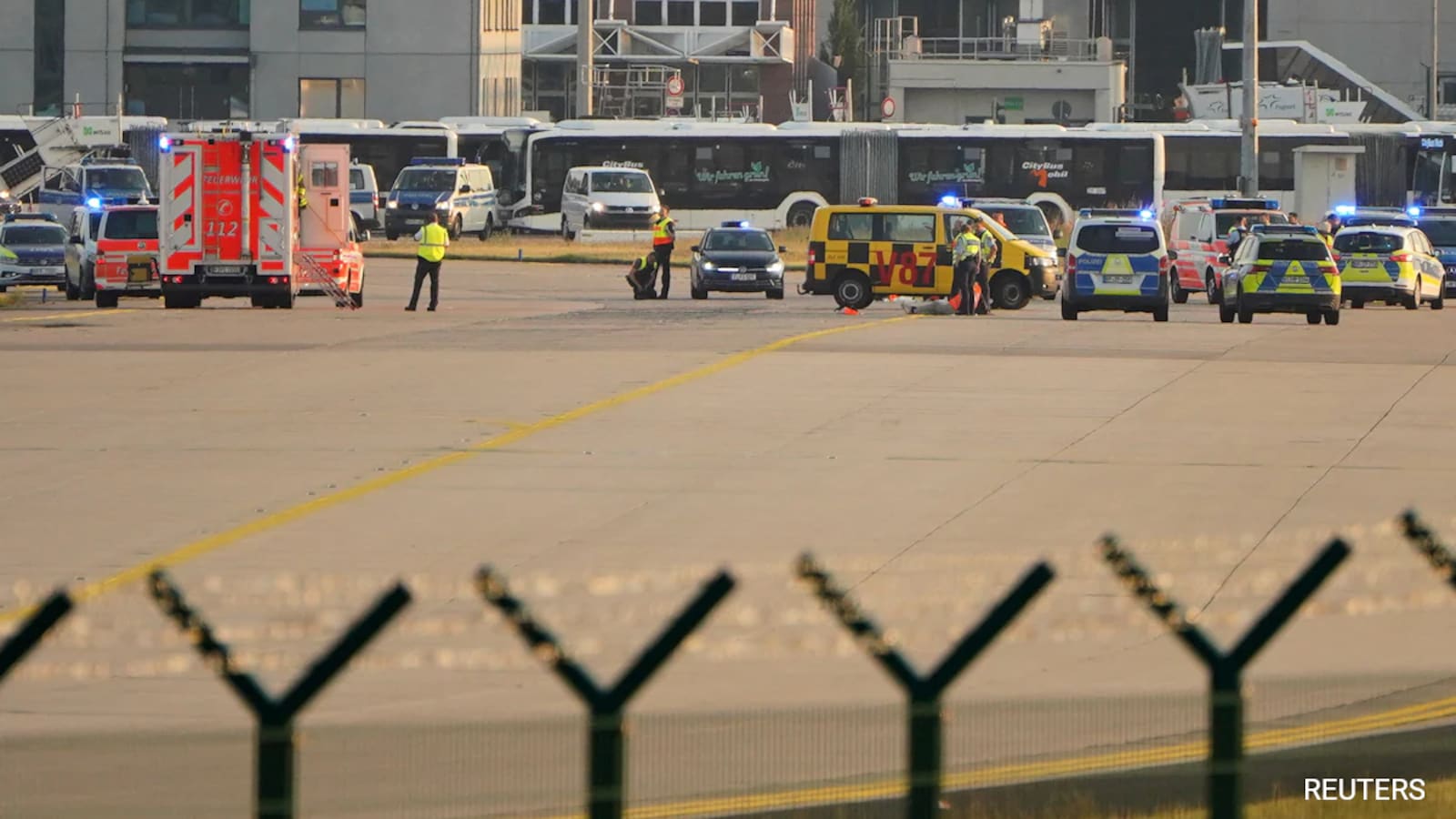
Germany Blames Russia for Explosive Drone Attack Attempt
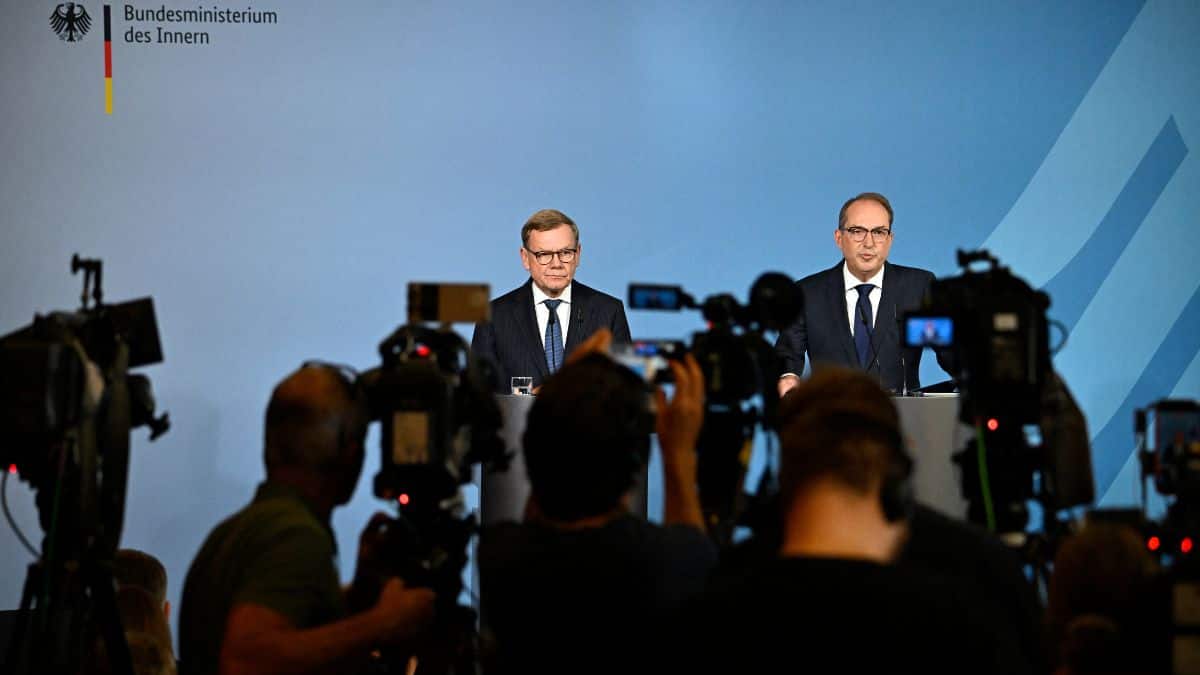
Germany Accuses Russia in Leipzig Drone Attack, Orders Retaliation
EU Commission to Propose Kids Act for Safer Social Media
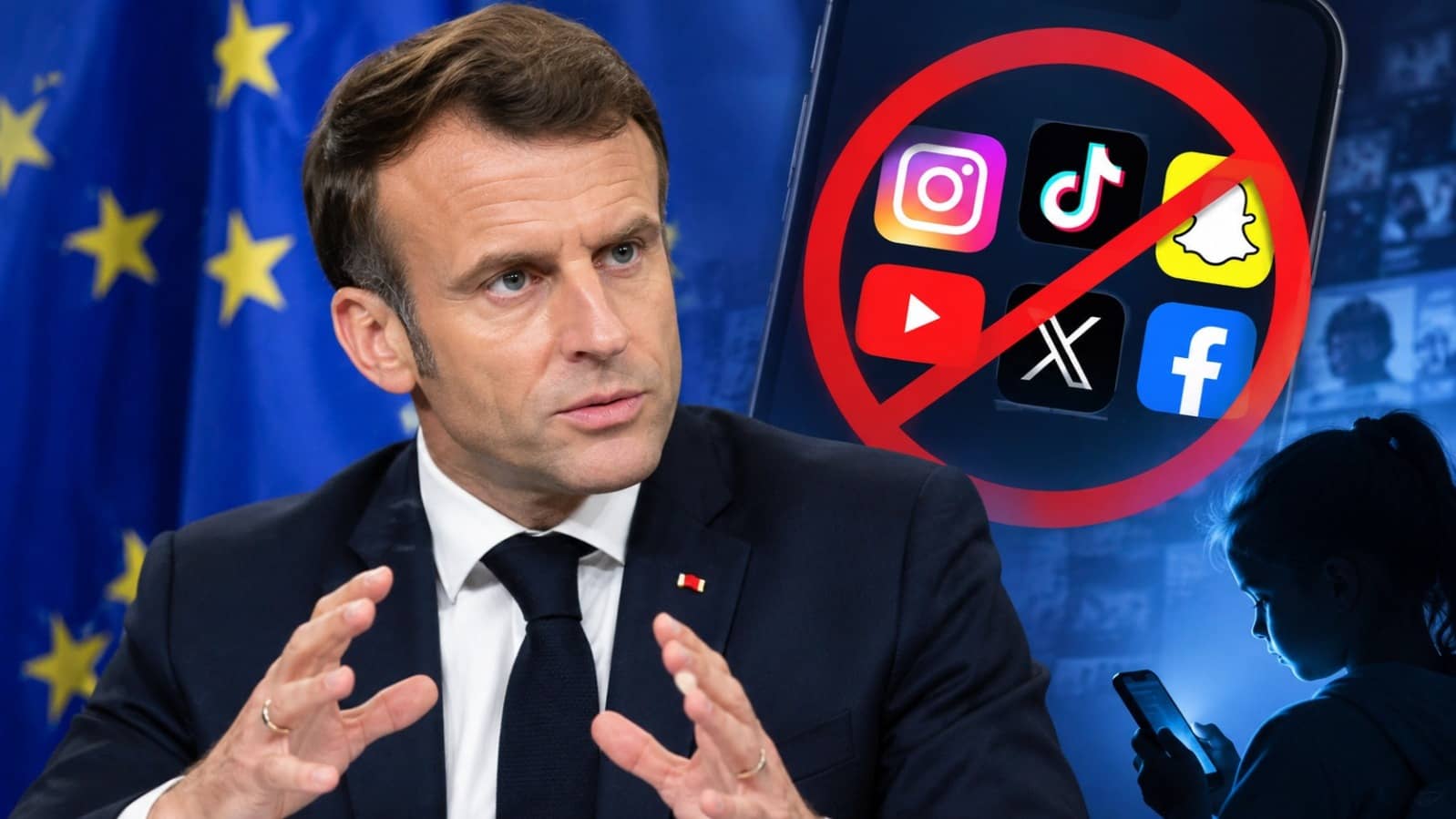
Macron Pushes EU-Wide Social Media Ban for Under-15s
France Revives Social Media Ban Plan for Children
India-EU Trade Deal Advances, Promising Tariff Cuts for Consumers
India-EU Free Trade Agreement Moves Toward Formal Approval
