5 hrs ago
NSE IPO, Iran Strikes and Bond Yields Pressure Indian Stocks

Indian stock markets may begin Monday quietly or with some losses.
The Nifty 50 and Sensex both fell last week.
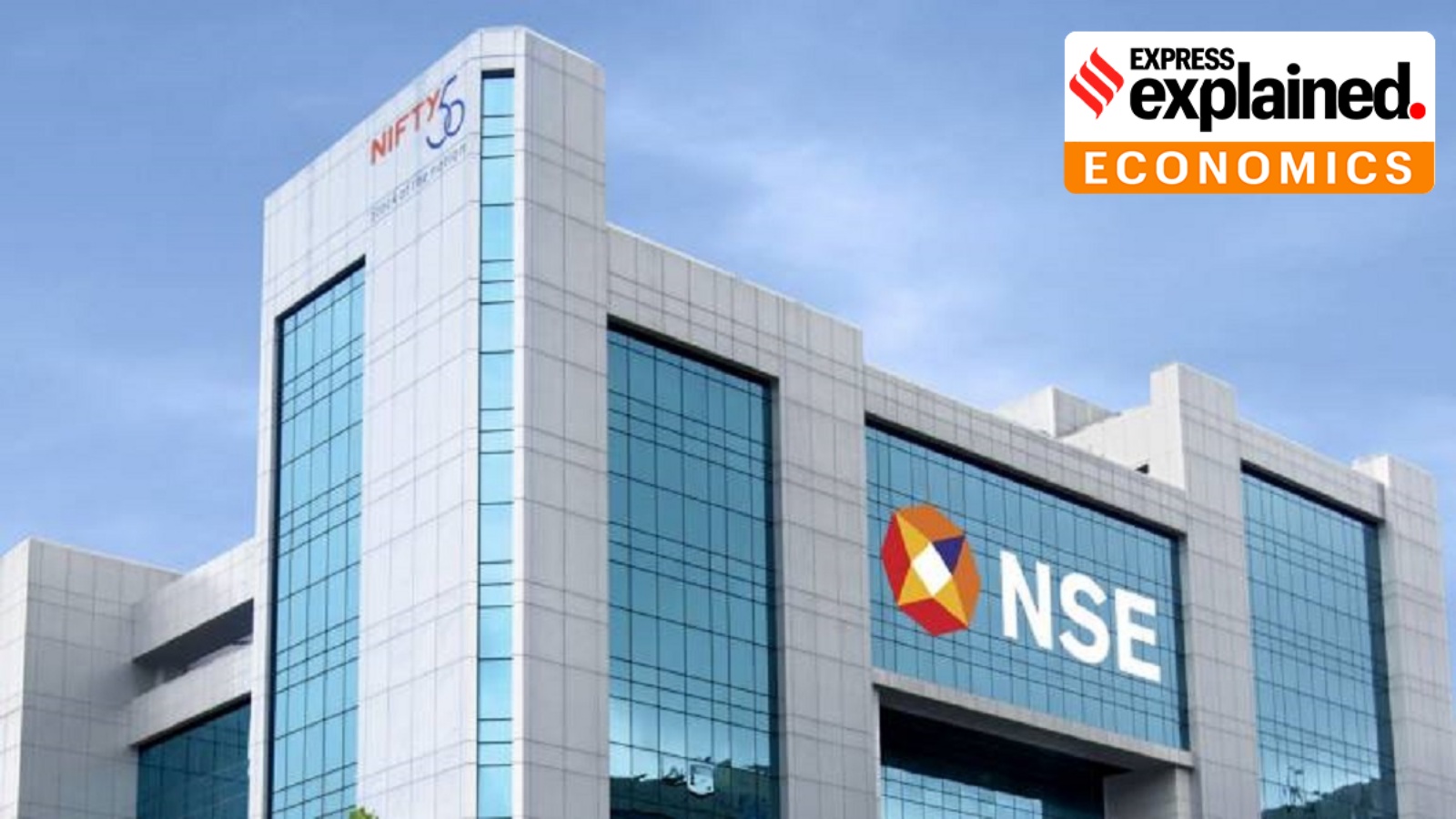
One reason is the expected National Stock Exchange of India IPO, which could attract money away from already-listed shares.
Another reason is that new United States strikes on Iran have increased Middle East tensions.
This could make oil more expensive and raise worries about inflation.
A stronger United States dollar and higher bond yields could also make Indian investments less attractive.
Experts therefore expect the market to remain under pressure in the short term.
However, charts suggest the market could recover if it stays above important support levels.
If it falls below those levels, losses could increase.

The Nifty 50 fell 1.15% and the Sensex lost 750 points last week.
The proposed ₹30,000 crore National Stock Exchange of India IPO may divert funds from existing stocks.
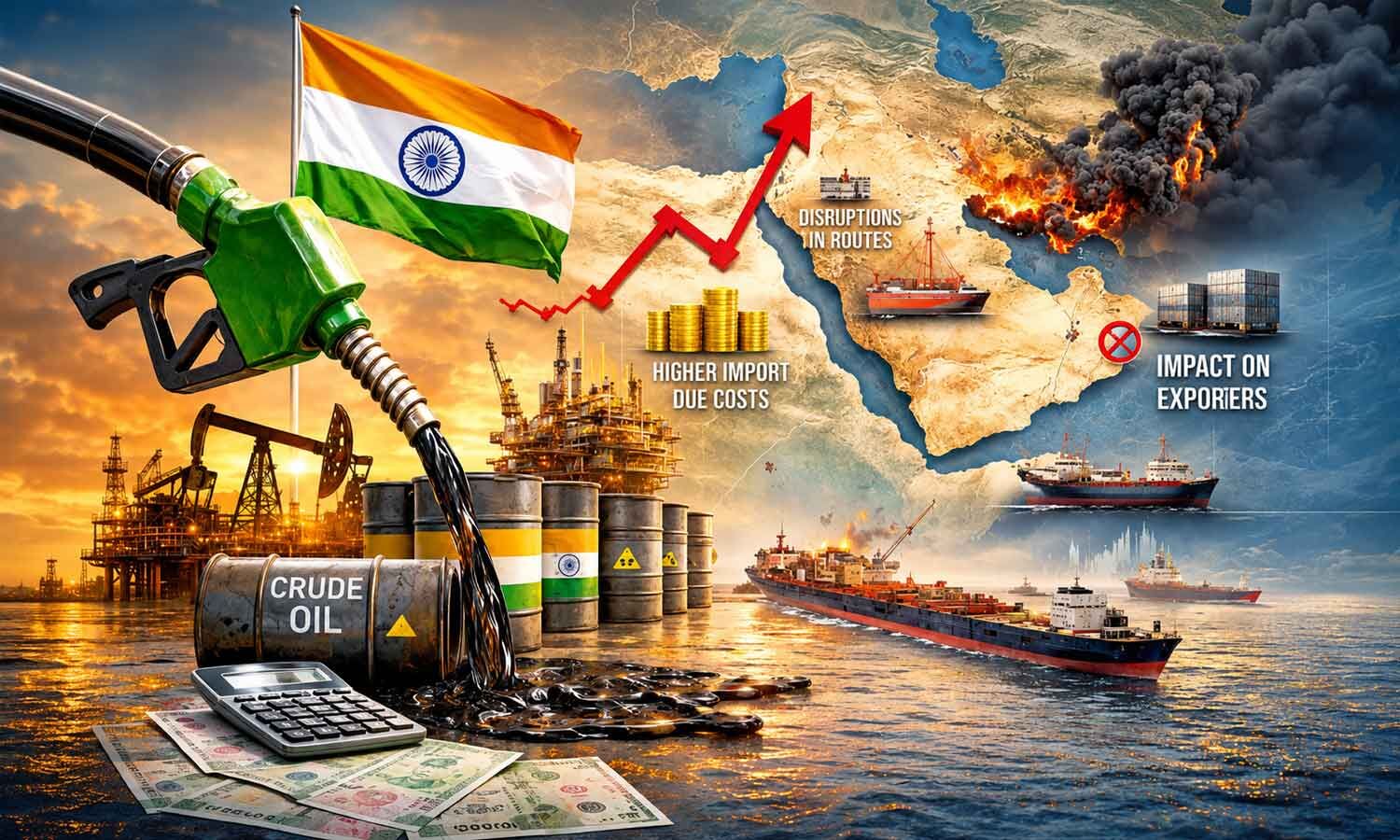
Fresh United States strikes on Iran could lift crude oil toward $100 per barrel and raise inflation concerns.
Higher United States bond yields and a stronger dollar may weaken the Indian rupee and pressure equities.
Technically, markets could recover above 24,000/76,800, but a fall below 23,800/76,100 may trigger further selling.
- Who
- Indian stock-market investors, market experts, and the benchmark Sensex and Nifty 50 indices are central to the report.
- What
- Experts expect a flat-to-weak Indian market opening because of the proposed NSE IPO, Middle East tensions, and higher United States bond yields.
- Where
- The expected effects are on Dalal Street and broader Indian financial markets, amid developments involving Iran and the United States.
- When
- The outlook concerns Monday’s opening and the near term; experts also said the Nifty 50 may not reach 25,000 in June 2026.
- Why
- The IPO may shift money from secondary-market shares, while higher oil prices, inflation concerns, bond yields, and a stronger dollar could pressure Indian equities.
Downside Risks
Potential Recovery
Near-term market direction
Downside Risks
Sandeep Pandey and Anuj Gupta expect pressure, profit-booking, and a flat-to-negative opening because of the IPO, Middle East tensions, and financial-market conditions.
Potential Recovery
Amol Athawale said a pullback could continue if the market trades above 24,000/76,800, with possible movement toward 24,200/77,400 and then 24,350/77,800.
Impact of the NSE IPO
Downside Risks
The proposed ₹30,000 crore IPO could shift investor money from the secondary market, keeping existing indices in a sell-on-rise phase until bidding ends.
Potential Recovery
Investor interest in the IPO reflects expectations that the National Stock Exchange of India could perform strongly, with Sandeep Pandey citing the past performance of the Bombay Stock Exchange listing.
Technical downside
Downside Risks
A fall below 23,800/76,100 could accelerate selling and lead to a retest of the 23,600–23,500/75,500–75,200 zone.
Potential Recovery
Holding above 24,000/76,800 could allow the indices to sustain positive momentum toward their 20-day and 50-day simple moving averages.
Key facts
- Nifty 50 weekly performance
- Down 1.15% last week
- Sensex weekly performance
- Down 750 points last week
- Proposed NSE IPO size
- ₹30,000 crore
- Key recovery level
- 24,000 for Nifty 50 and 76,800 for Sensex
- Key downside level
- 23,800 for Nifty 50 and 76,100 for Sensex
- Potential crude-oil level
- Brent crude could reach $100 per barrel if tensions continue
- June 2026 outlook
- One expert said the Nifty 50 may not reach 25,000
Quotes
Sandeep Pandey
Co-founder of Basav Capital
“Technically, the short-term market trend still appears weak, but if the market manages to trade above the 24,000/76800 mark, a pullback formation is likely to continue in the near future. Above 24,000/76800, the market could sustain positive momentum up to the 50 and 20-day SMA (Simple Moving Average), or around 24,200/77400.”
 livemint.com
“The NSE IPO is expected to catalyse a switch of money from the secondary market to the primary market. People remember that BSE has surged more than 7 times since its listing in 2017. Investors are expecting the NSE IPO to replicate BSE IPO performance, if not a better performance than the BSE IPO.”
livemint.com
Sources
Related news
Indian stocks retreat as US-Iran tensions lift oil, yields
Sensex, Nifty Plunge as West Asia Tensions Lift Oil Prices

Sensex Ends Flat as Nifty Gains Amid Oil, Iran Tensions
Sensex, Nifty Slip as US-Iran Tensions Lift Volatility
Sensex, Nifty Slip as Crude, US-Iran Tensions Weigh

Fosun Pharma Stake Sale Takes Holding Below 50%
NSE IPO Nears Historic Listing Amid Self-Trading Debate

Tata Sons Chairman Race Narrows to Three Reported Contenders
NSE Wins Sebi Approval for Second-Biggest IPO After Jio Platforms