3 hrs ago
NSE IPO Nears Historic Listing Amid Self-Trading Debate
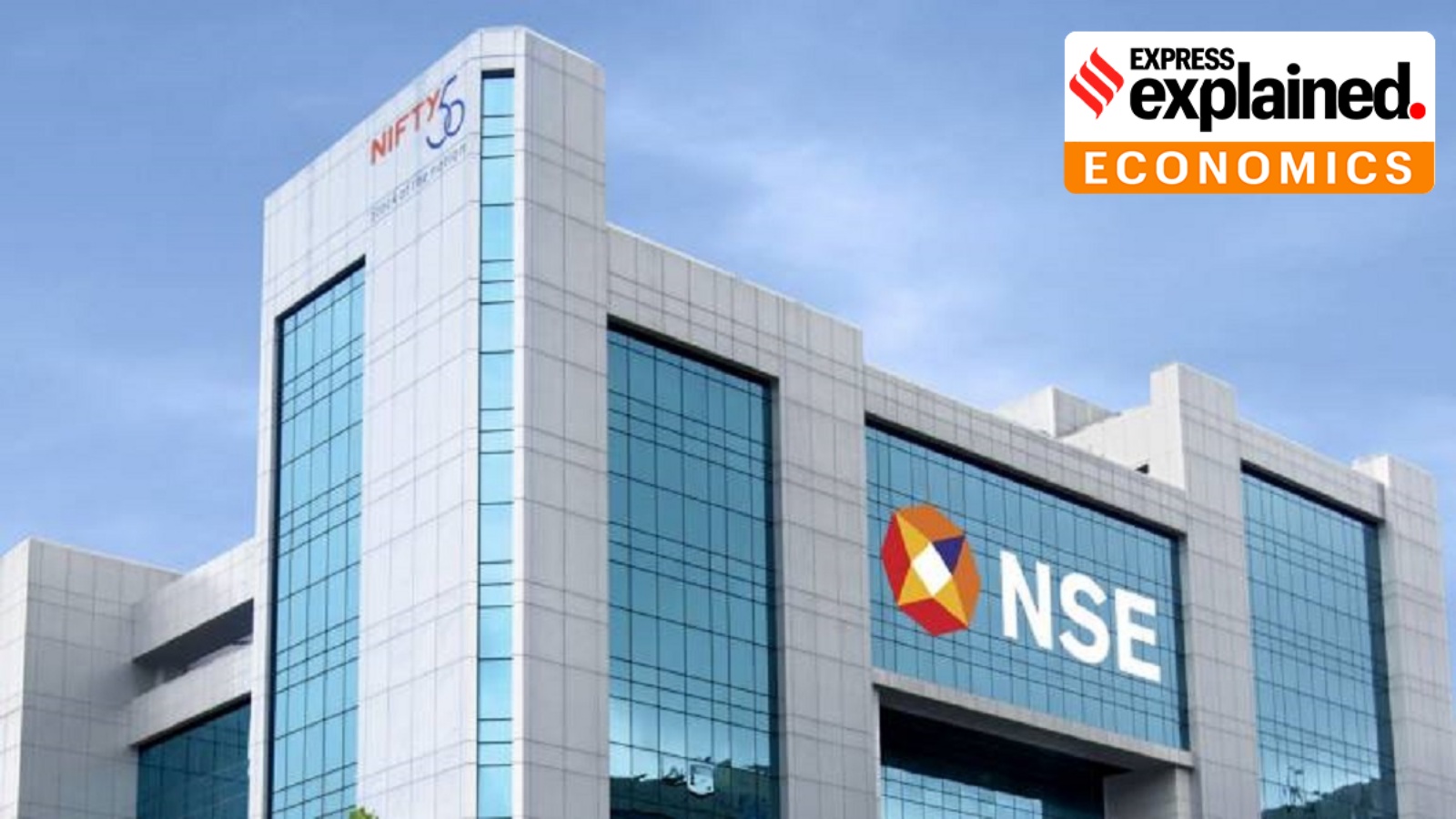
The National Stock Exchange, or NSE, wants to sell shares to the public.
This could become India’s biggest IPO, worth about Rs 30,000 crore.
The shares would first be listed on the Bombay Stock Exchange because an exchange generally cannot list itself.
NSE may ask the regulator, SEBI, to let people trade its shares on NSE anyway.
This special method is called permitted-to-trade.
Supporters say trading on NSE could give the shares more buyers and help them enter important indexes.
BSE’s managing director disagrees with the idea and says current rules do not allow it.
Investors are also watching the price because the IPO is expected to be valued between 35 and 49 times its forecast earnings.

The National Stock Exchange is preparing an estimated Rs 30,000 crore IPO after regulatory hurdles delayed it for nearly a decade.
NSE shares would initially list on the Bombay Stock Exchange because current rules prohibit an exchange from listing on its own platform.
NSE may seek SEBI approval to let its shares trade on its own exchange through the permitted-to-trade route.
BSE’s managing director opposed the proposal, while SEBI officials said the issue had not yet been discussed.
Brokerages expect NSE’s valuation at roughly 35 to 49 times FY26 earnings, with the price band reportedly expected around September 15.
- Who
- The National Stock Exchange, SEBI, the Bombay Stock Exchange, institutional investors, retail investors, and brokerages.
- What
- NSE is preparing an estimated Rs 30,000 crore initial public offering and may seek permission for its shares to trade on NSE through the permitted-to-trade route.
- Where
- The shares are expected to list first on the Bombay Stock Exchange, with possible later trading on the National Stock Exchange.
- When
- The IPO is expected to list publicly by the end of the month, while the price band was reportedly expected around September 15.
- Why
- NSE wants to complete its long-delayed public offering, while trading on its own platform could provide greater liquidity and support inclusion in major NSE indexes.
Supporters of NSE’s permitted-to-trade proposal
Opponents and regulatory concerns
Whether NSE shares should trade on NSE
Supporters of NSE’s permitted-to-trade proposal
NSE could list its shares first on BSE and seek SEBI permission to let them trade on NSE through the permitted-to-trade route, potentially expanding access and liquidity.
Opponents and regulatory concerns
BSE managing director Sundararaman Ramamurthy said self-listing is not permitted under current regulations and that there is no framework for an exchange to permit itself to trade on itself.
Conflict-of-interest safeguards
Supporters of NSE’s permitted-to-trade proposal
NSE’s proposed framework would address day-to-day matters such as price bands, surveillance, and compliance responsibilities, with BSE serving as the primary listing exchange.
Opponents and regulatory concerns
An exchange trading its own shares could face a conflict because exchanges act as first-level regulators for securities traded on their platforms. SEBI previously rejected BSE’s permitted-to-trade proposal in 2017 on conflict-of-interest grounds.
IPO valuation
Supporters of NSE’s permitted-to-trade proposal
A valuation near the lower end of the expected 35-to-49-times FY26 earnings range could offer significant value, while the company’s market position and future growth potential support investor interest.
Opponents and regulatory concerns
The upper end would be around BSE’s current price-to-earnings ratio of 49 times, and NSE’s recent profits and revenues have fallen following regulatory changes in the derivatives segment.
Key facts
- Estimated issue size
- Rs 30,000 crore
- Expected listing
- By the end of the month, according to the article
- Initial listing venue
- Bombay Stock Exchange
- Possible trading route
- Permitted-to-trade on the National Stock Exchange, subject to SEBI approval
- Expected valuation
- About 35 to 49 times FY26 earnings
- Potential investor price
- Mutual funds reportedly indicated comfort around Rs 1,800 per share
- NSE cash-market share
- Around 93% of India’s cash-market turnover, according to Geojit Financial Services
Quotes
A research head at a domestic broking firm
Research head at an unnamed domestic broking firm
“Even at the higher end, the issue will be very attractive due to the potential returns NSE may provide. Everyone is looking forward to what could be the biggest ever IPO. Even though profits and revenues have fallen in recent times due to regulatory changes in the derivatives segment, the current low penetration in investing among Indians provides a very good opportunity for the future.”
 indianexpress.com
“Self-listing is not permitted regulatorily. Currently, there is no regulatory framework for permitting oneself to trade on oneself.”
indianexpress.com
Sources
Related news

SEBI Weighs NSE Liquidity Before Allowing Own-Share Trading

NSE May Allow Own Shares to Trade After BSE Listing
SEBI Issues Observation Letter for Rs 30,000-Crore NSE IPO

SEBI Clears NSE’s ₹30,000-Crore IPO After Decade-Long Wait

NSE Wins Sebi Approval for Second-Biggest IPO After Jio Platforms

SEBI Clears NSE IPO, Advancing Long-Awaited Stock Exchange Listing

Tata Sons Chairman Race Narrows to Three Reported Contenders

Experts Propose Hybrid Settlement to Curb Closing Auction Volatility
India's Derivatives-Cash Mismatch Drives Extreme Expiry-Day Market Volatility