2 hrs ago
EU Invites Canada to Become Its First Associate Member

The European Union has invited Canada to create a new kind of partnership with it.
Canada would be the first country to receive the proposed associate-member status.
This would not make Canada a full EU member because EU rules limit full membership to European countries.
The partnership could help Canada and Europe work together on trade, technology, defence and energy.
They also want to cooperate on the Arctic, critical minerals, batteries and artificial intelligence.
Canadian Prime Minister Mark Carney has said Canada wants a special alliance with Europe.
Canada is looking for more trusted economic partners as its relationship with the United States faces tensions.
The European Commission says the plan is meant to strengthen both sides, not target another country.
The details of the new status have not yet been finalized.

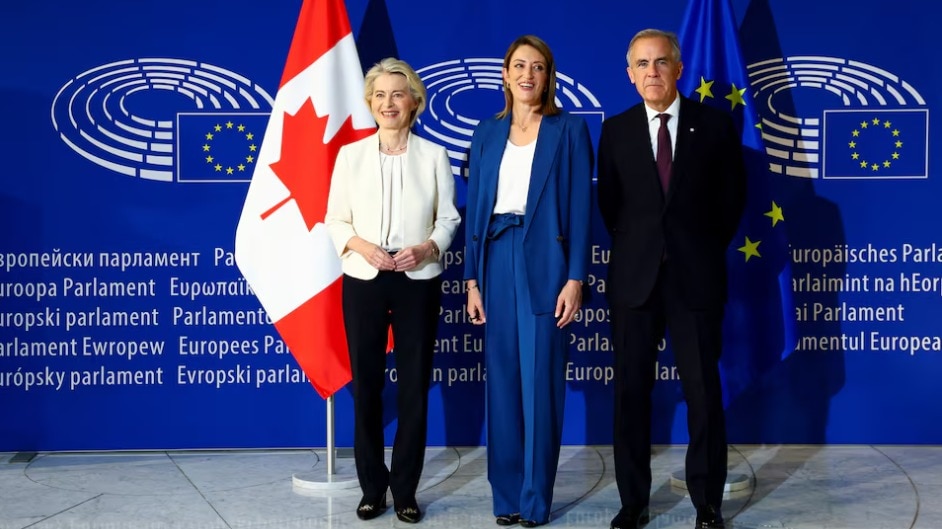
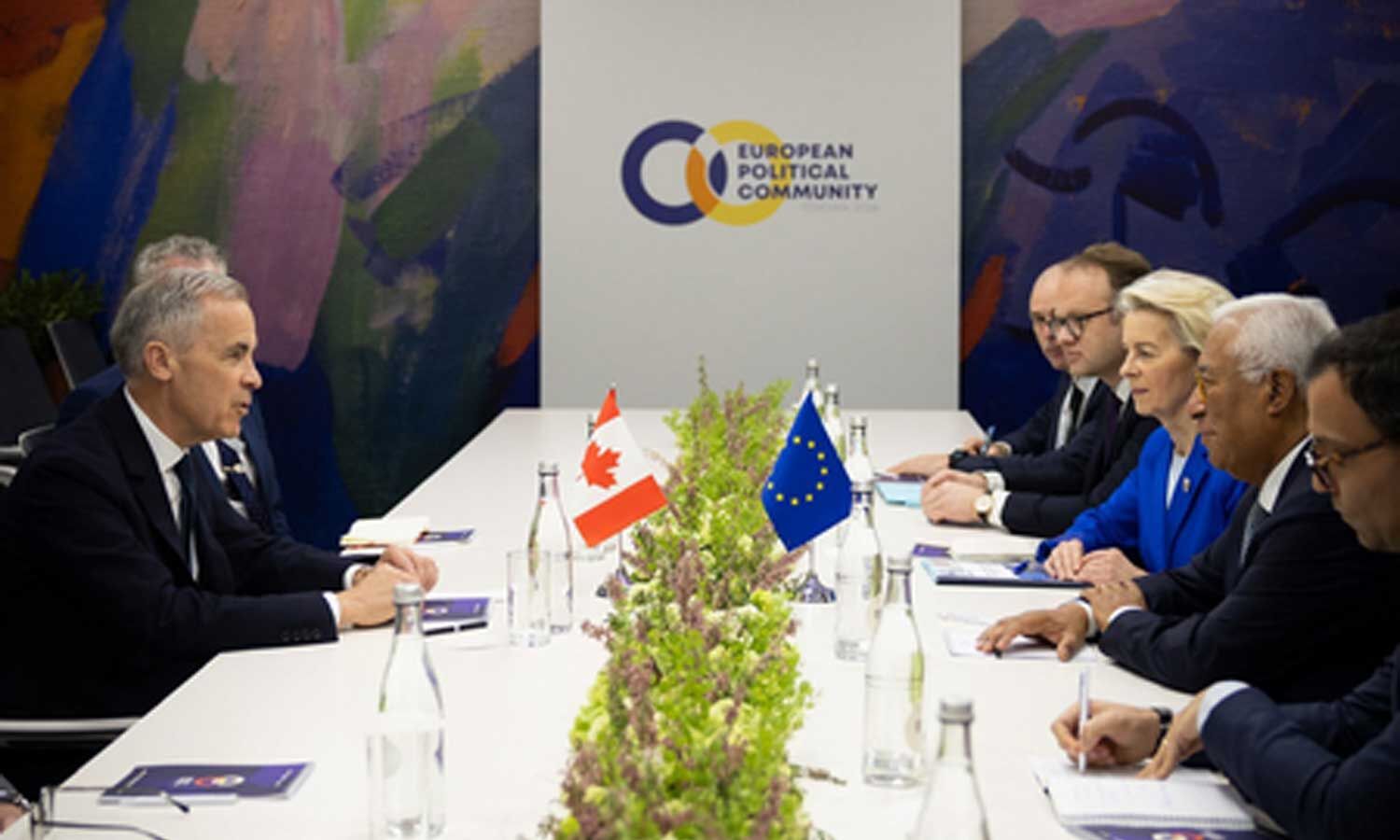
European Commission President Ursula von der Leyen invited Canada to become the European Union’s first associate member.
The proposed partnership would expand beyond CETA into trade, defence, technology, energy and economic security.
Planned cooperation could include critical minerals, batteries, artificial intelligence, quantum computing, cybersecurity and Arctic projects.
Canadian Prime Minister Mark Carney supports a stronger, distinctive alliance with the EU but not full EU membership.
The proposal comes as Canada seeks to diversify partnerships amid tensions and trade uncertainty with the United States.
- Who
- European Commission President Ursula von der Leyen invited Canada, represented by Prime Minister Mark Carney, to pursue associate-member status with the European Union.
- What
- The EU proposed a new strategic partnership that could make Canada its first associate member.
- Where
- The announcement was made in Strasbourg, France, during an event attended by Carney.
- When
- The invitation was announced on Wednesday during von der Leyen’s State of the Union address; the articles identify the address as taking place in 2026.
- Why
- The EU and Canada want closer economic and strategic cooperation amid global uncertainty, supply-chain concerns and tensions in Canada’s relationship with the United States.
Key facts
- Proposed status
- Canada would become the European Union’s first associate member.
- Existing framework
- The proposal would expand ties beyond the Comprehensive Economic and Trade Agreement, or CETA.
- Potential cooperation
- Advanced manufacturing, technology, defence, Arctic cooperation, energy and economic security.
- Strategic sectors
- Critical minerals, batteries, artificial intelligence, quantum computing and cybersecurity.
- Full membership
- Canada cannot join as a full EU member because EU treaties limit membership to European countries.
- Canadian position
- Mark Carney supports a unique alliance with the EU but has not sought full membership.
- Status of proposal
- The associate-member arrangement is new and its details have not yet been made clear.
Quotes

Ursula von der Leyen
European Commission president who proposed an associate membership pathway for Canada.
“This is a partnership not against anyone else, but for our common strength. In short, we want to bring the relationship with Canada to the highest level possible”
 thehansindia.com
 livemint.com
“We will move from Comprehensive Economic and Trade Agreement (CETA) to an Alliance for the Future. To create a common prosperity and economic security space”
livemint.com
Sources
Related news
Canada Explores EU Associate Membership Amid US Trade Dispute
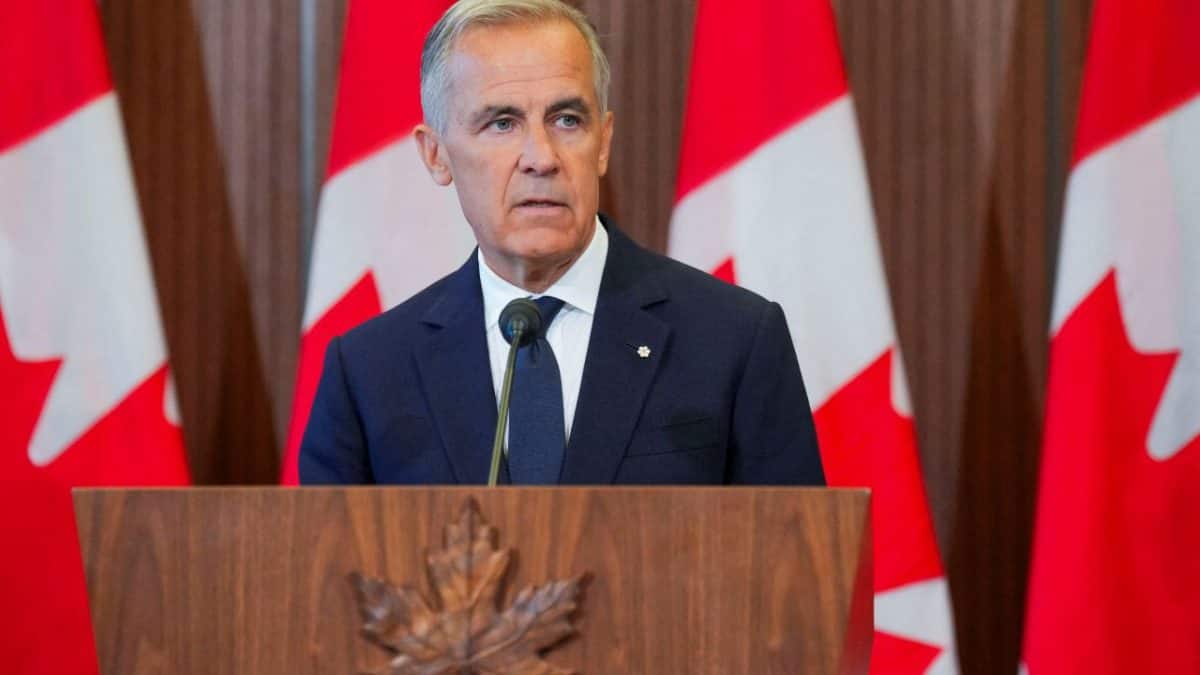
Canada Seeks Unique EU Alliance Amid Escalating US Trade War
Canada Plans Trade Diversification Amid Trump's Tariff Escalation

Von der Leyen to Urge EU Solidarity and Canada Ties

Canada Explores EU Associate Status Amid US Trade War
Report Urges EU to Follow UK’s India Trade Strategy

Tamil Nadu CM Vijay Plans UK Investment Outreach

India–UK CETA Opens Trade and Investment Opportunities for MSMEs