

3 hrs ago
SatLeo to Launch Thermal Imaging Payload on SpaceX Rocket

SatLeo Labs is a young space company from Ahmedabad, India.
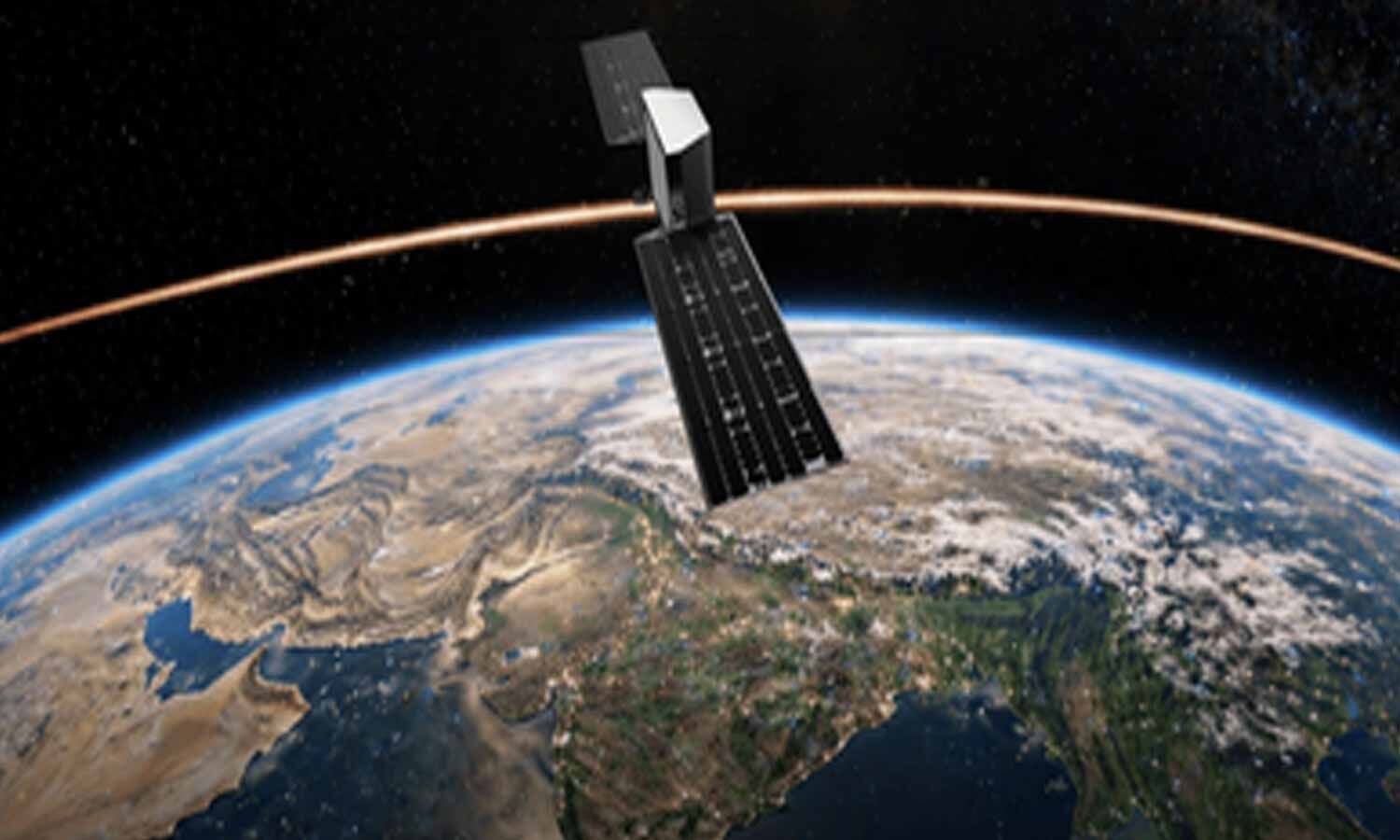
It has built a small instrument called TAPAS-1.
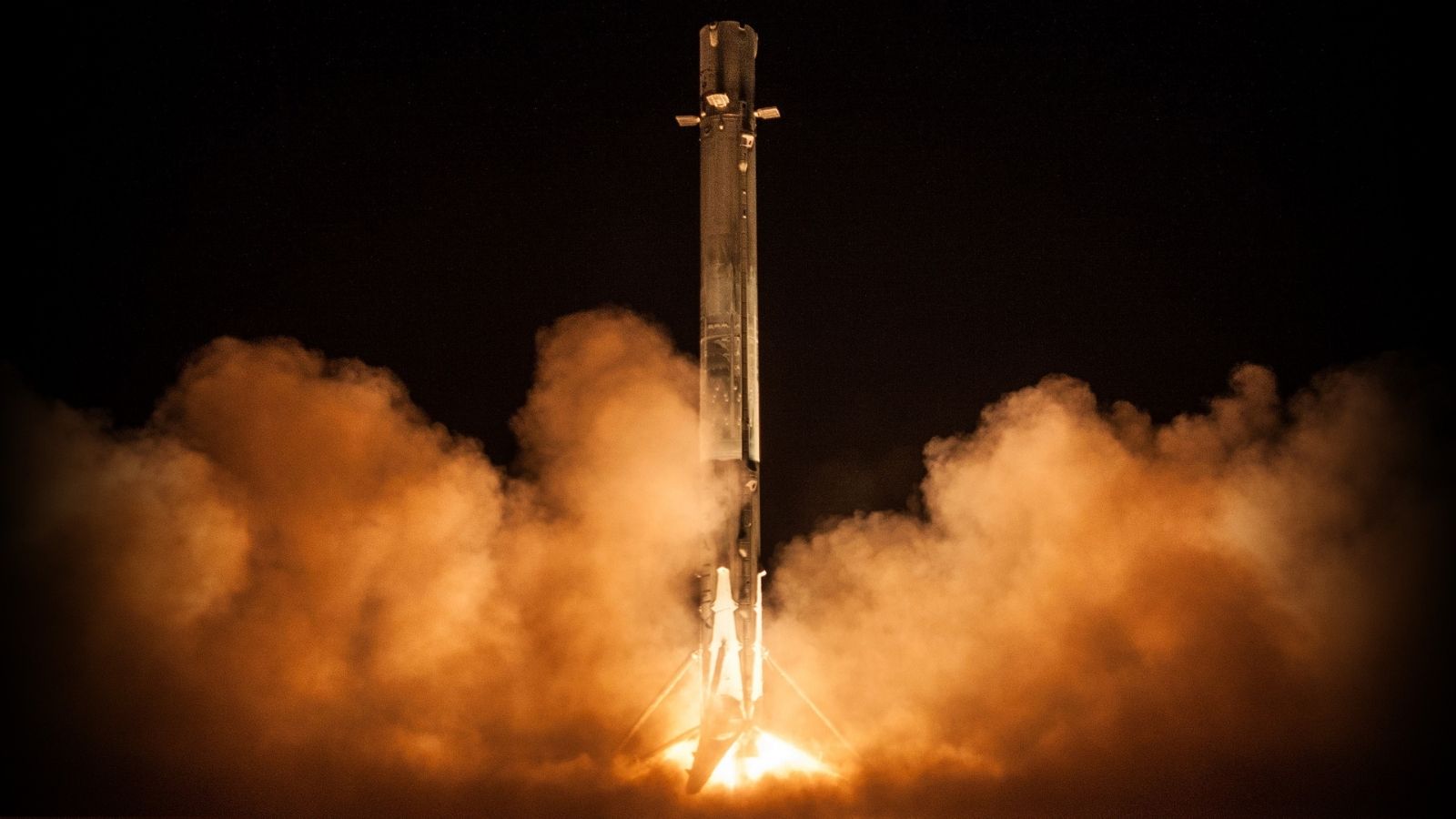
The instrument will ride into space on a SpaceX Falcon 9 rocket.
It will take pictures showing how hot different parts of Earth are.
These pictures could help farmers, cities and companies understand heat and water problems.
They could also help detect forest fires and watch industrial equipment.
SatLeo plans to keep the instrument in orbit for about three years.
The company hopes to launch eight more similar satellites by 2029.

Ahmedabad-based SatLeo Labs plans to launch its TAPAS-1 thermal infrared payload aboard a SpaceX Falcon 9 rocket on October 1, 2026.
The approximately 3-kilogram payload will operate at about 500 kilometers altitude and capture Earth’s surface heat and temperature variations.
SatLeo says the data could support agriculture, water-stress monitoring, urban heat management, infrastructure, industry, defence and forest-fire detection.
Founded in 2023, SatLeo has received letters of intent worth about $52 million and raised approximately ₹60 crore.
The company plans to launch eight additional TAPAS satellites by 2029, forming a commercial thermal-imaging constellation.
- Who
- SatLeo Labs, founded by Shravan Singh Bhati, Dr Ranendu Ghosh and Urmil Bakhai.
- What
- The company plans to launch its TAPAS-1 thermal infrared Earth-observation payload on a SpaceX Falcon 9 rocket.
- Where
- TAPAS-1 was developed in SatLeo’s laboratory in Gujarat and is planned for deployment at about 500 kilometers altitude.
- When
- The launch is planned for October 1, 2026; the report was published September 30, 2026.
- Why
- SatLeo aims to provide commercial thermal-imaging data for uses including agriculture, water-stress monitoring, urban heat management, industrial monitoring and forest-fire detection.
Key facts
- Payload
- TAPAS-1 thermal infrared Earth-observation payload
- Payload mass
- Approximately 3 kilograms
- Planned orbit altitude
- Around 500 kilometers
- Expected orbital life
- Approximately three years
- Letters of intent
- About $52 million, with roughly 60% from companies outside India
- Funding raised
- Approximately ₹60 crore
- Expansion plan
- Eight additional TAPAS satellites planned by 2029
- Policy context
- Gujarat Spacetech Policy 2025-30 offers launch-cost assistance, intellectual-property support and testing-facility subsidies
Sources
Related news
Pixxel Raises $100 Million in India’s Largest Spacetech Funding Round
Indian startup TakeMe2Space plans orbital computing satellite launch on SpaceX

Pixxel Expands From Hyperspectral Satellites to Planetary Infrastructure

Google's Project Suncatcher Tests AI Chips in Space

India’s Spacetech Sector Enters Commercialisation Phase Amid Funding Surge

GalaxEye Raises $4.8 Million to Build OptoSAR Satellite
Dombivli Raid Seizes ₹7.22 Lakh Liquor, Three Arrested

Tamil Nadu Retains India’s Manufacturing Lead in ASI 2024-25
India Manufacturing Jobs, Wages Accelerated During FY25 Survey

India’s Manufacturing Workforce Tops 21 Million as Factories Grow
Indian Oil’s Gujarat Refinery Plans Polypropylene Production by Fiscal Year-End
