9 months ago
Sudan Civil War: RSF Violence and Global Indifference

Imagine Sudan, a country that had a big change hoping for a better government, but instead, things got worse.
Two generals who used to be friends are now fighting a big war against each other.
One general leads the army, and the other leads a group called the RSF.
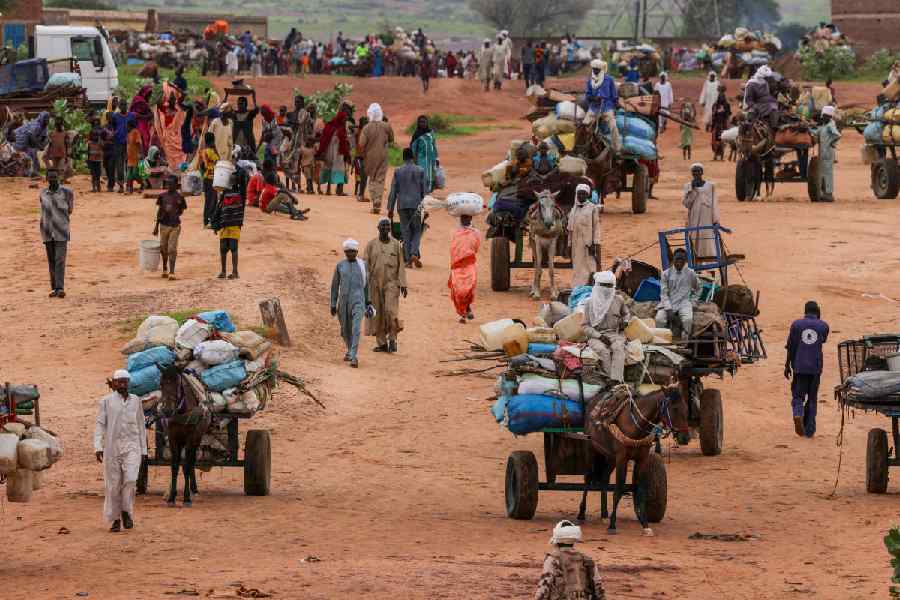
This war has been going on for three years and has caused many people to die and millions more to leave their homes.
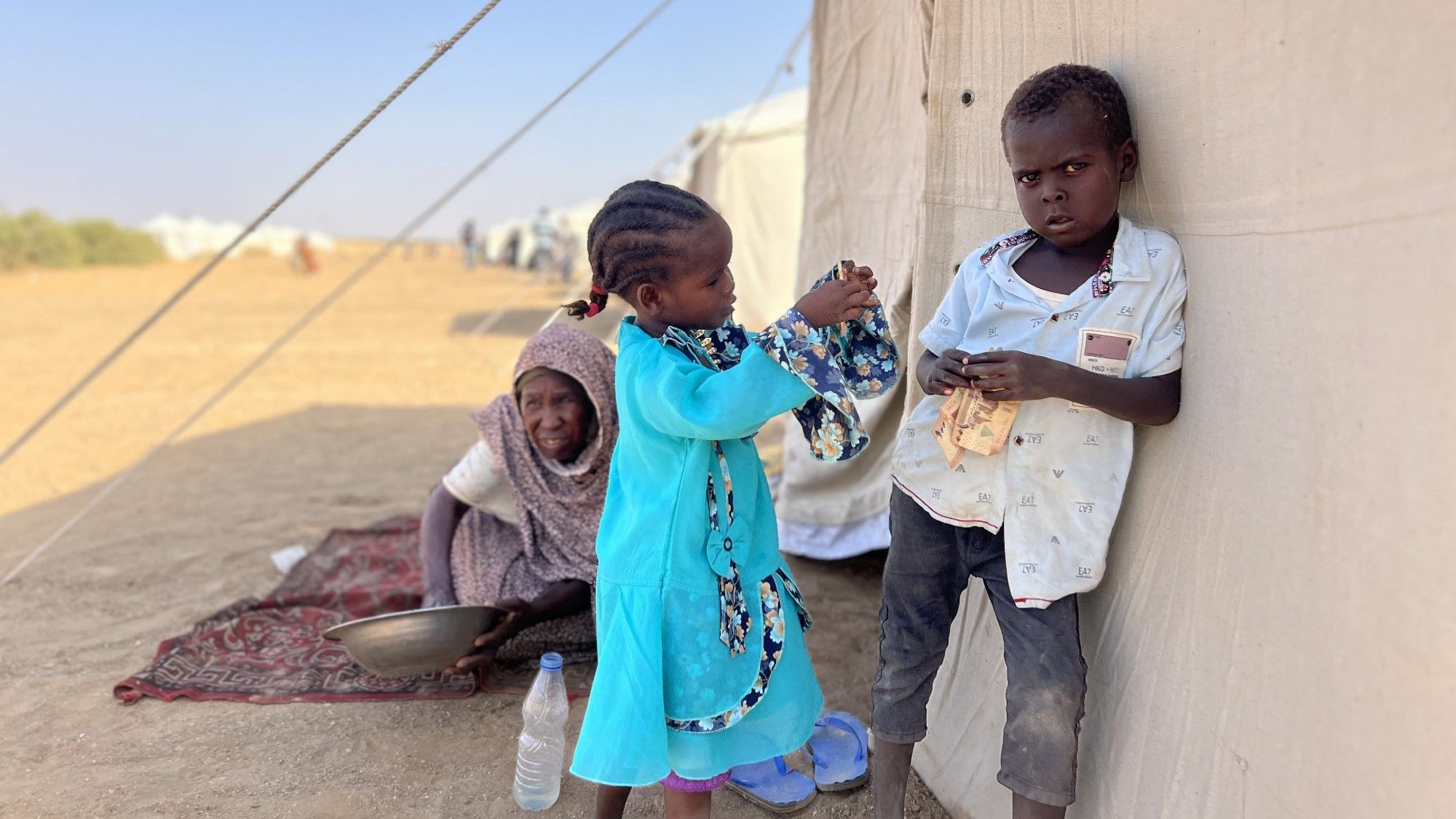
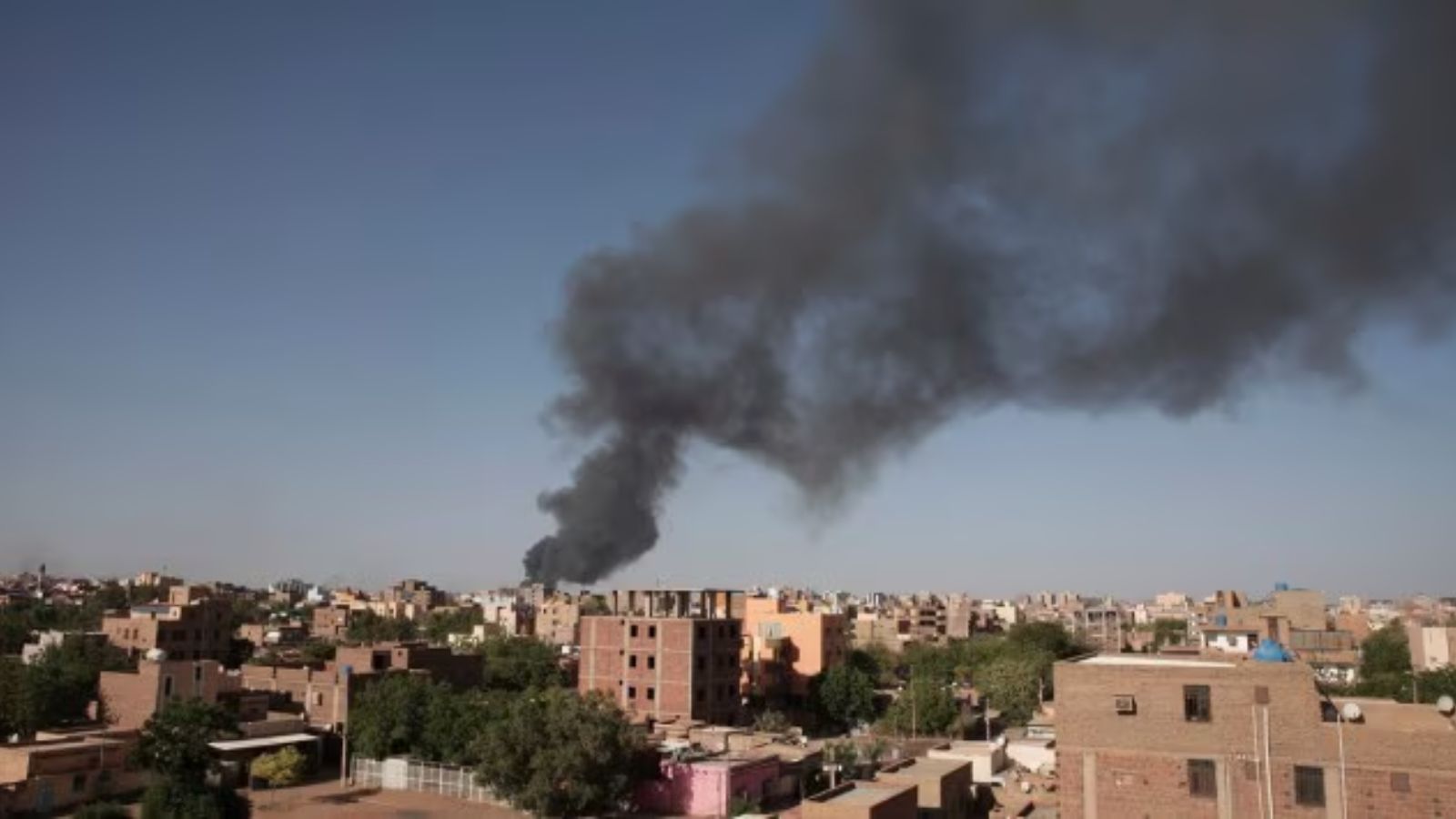
It's like the whole country is falling apart, with not enough food or medicine, and schools and hospitals are not working.
Some countries might even be helping one of the generals, which is making the war even harder to stop.
While the world talks a lot about other problems, like the war in Ukraine, hardly anyone is paying attention to this terrible fighting in Sudan.
The people of Sudan are very brave and try to help each other, even when things are really bad.

Sudan's civil war, now in its third year, has resulted in over 150,000 deaths and 13 million displaced, yet receives far less international attention than other global conflicts.
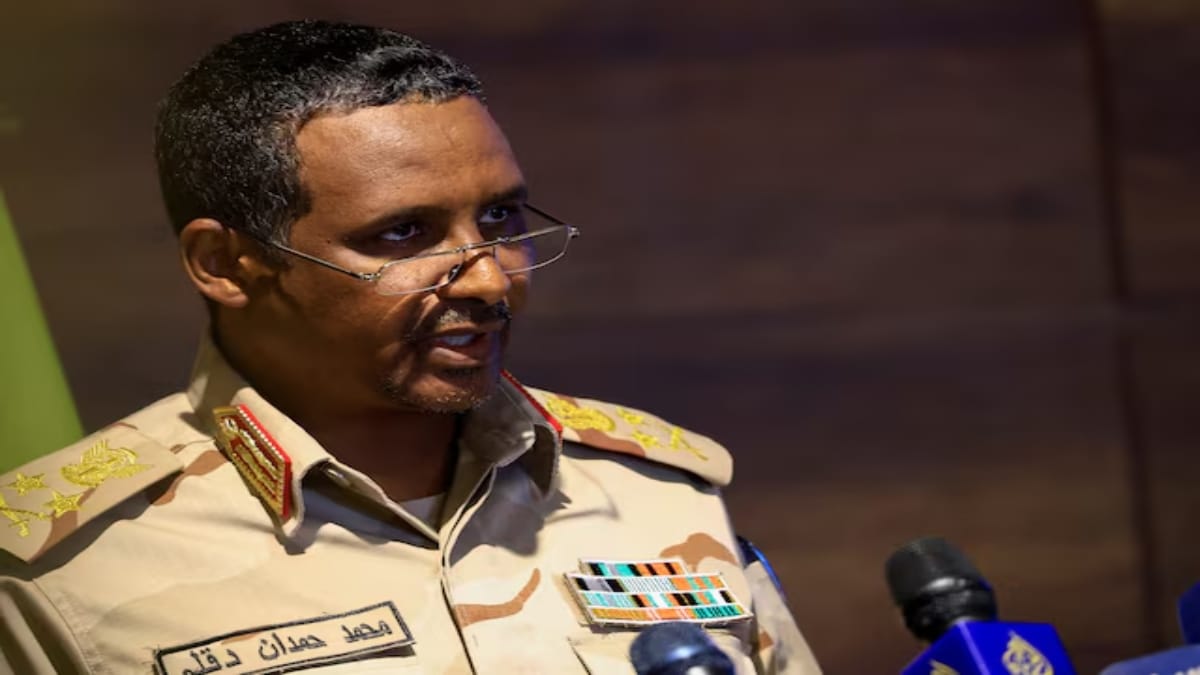
The conflict is a power struggle between the Sudanese Armed Forces (SAF) led by Abdel Fattah al-Burhan and the Rapid Support Forces (RSF) led by Mohamed Hamdan Dagalo, competing for control over resources like gold, land, and trade routes.
International actors including Russia, Egypt, Saudi Arabia, and the UAE are accused of meddling in Sudan's crisis, with the UAE allegedly arming the RSF due to interests in Darfur's gold.
The war has devastated Sudan's economy, created severe humanitarian crises with shortages of basic resources, and led to widespread famine, gender violence, and the recruitment of child soldiers.
Despite the dire situation and global indifference, ordinary Sudanese people are demonstrating resilience by sharing resources and providing aid amongst themselves.
- Who
- The Sudanese Armed Forces (SAF) led by Abdel Fattah al-Burhan and the Rapid Support Forces (RSF) led by Mohamed Hamdan Dagalo, with alleged meddling from foreign powers like Russia, Egypt, Saudi Arabia, and the UAE.
- What
- A devastating civil war that has resulted in mass casualties, widespread displacement, economic collapse, humanitarian crises, and increased gender violence and child soldier recruitment, largely ignored by the international community.
- Where
- Sudan, with the RSF stronghold in Darfur, and contention over agricultural land, water, trade routes, and gold resources.
- When
- The conflict is in its third year, following a hopeful transition after the 2019 ouster of a dictator, which was dashed by a military coup two years later. It has worsened significantly since then.
- Why
- A power struggle between two military generals for control of Sudan's resources and governance, exacerbated by ethnic divisions and foreign interference.
International Response
Internal Sudanese Conflict Drivers
Global Attention and Aid
International Response
The international community has largely ignored Sudan's civil war, despite its severity and scale, failing to provide aid or attention comparable to conflicts like the one in Ukraine. This indifference allows the conflict to persist and inflict further suffering on the Sudanese people.
Internal Sudanese Conflict Drivers
Ordinary Sudanese people have demonstrated remarkable courage amidst the conflict, sharing resources, running clinics, and holding classes, while the focus remains on the generals leading the war. The world should aid these citizens, not the warring generals.
External Involvement
International Response
Foreign powers, including Russia, Egypt, Saudi Arabia, and the United Arab Emirates, are accused of meddling in Sudan's crisis and exacerbating it, with the UAE and Saudi Arabia reportedly hiring RSF members for regional designs and the UAE arming combatants due to interests in Darfur's gold.
Internal Sudanese Conflict Drivers
The civil war's longevity is partly attributed to foreign involvement, with external actors accused of worsening the crisis. The conflict is a power struggle between two generals, Abdel Fattah al-Burhan (SAF) and Mohamed Hamdan Dagalo (RSF), competing for Sudan's resources like agricultural land, water, trade routes, and gold.
Historical Context and Current State
International Response
The current conflict is a continuation of a cycle of military control, following a 2019 ouster of a dictator that initially ushered in hopes for civilian governance, only to be replaced by another military coup two years later.
Internal Sudanese Conflict Drivers
The conflict, now in its third year, has resulted in over 150,000 deaths and displaced 13 million people, devastating the economy, deepening ethnic divisions, and causing severe shortages of basic resources, widespread famine, gender violence, and child soldier recruitment.
Key facts
- Conflict Parties
- Sudanese Armed Forces (SAF) and Rapid Support Forces (RSF)
- Conflict Duration
- Third year
- Estimated Deaths
- Over 150,000
- Estimated Displaced Persons
- 13 million (one out of three Sudanese)
- Key Resources Contested
- Agricultural land, water, trade routes, gold
- RSF Stronghold
- Darfur
- Accused Foreign Meddlers
- Russia, Egypt, Saudi Arabia, United Arab Emirates
Quotes
Hassan Gibril
A commentator in Sudan Tribune (Paris)
“a stark reminder”
 theweek.com
“failure to learn from history”
theweek.com
Hafed Al-Ghwell
A commentator in Arab News (Riyadh)
“the global community possesses no effective response”
theweek.com
“the shape of wars to come”
theweek.com

Le Monde
A newspaper from Paris
“Sudan’s descent into hell continues inexorably”
theweek.com
Declan Walsh
A journalist for The New York Times
“A survivor can be seen raising his arm, apparently calling for help, before a fighter shoots him dead.”
theweek.com
Arne Perras
A journalist for Tages-Anzeiger (Zürich)
“no one will intervene militarily in this remote part of the world to punish war crimes”
theweek.com