7 months ago
Experts Criticize GRAP for Failing to Address Delhi's Air Pollution Roots

Experts say Delhi's air pollution plan, called GRAP, isn't working well.
It's like putting a bandage on a big cut without fixing the problem.
GRAP has four stages with different rules to control pollution, but it's based on old data and doesn't track if pollution is really going down.
Experts want better long-term solutions like improving public transport, stopping waste burning, and stronger rules for polluters.
The government says they're working to make GRAP stricter and better enforced.
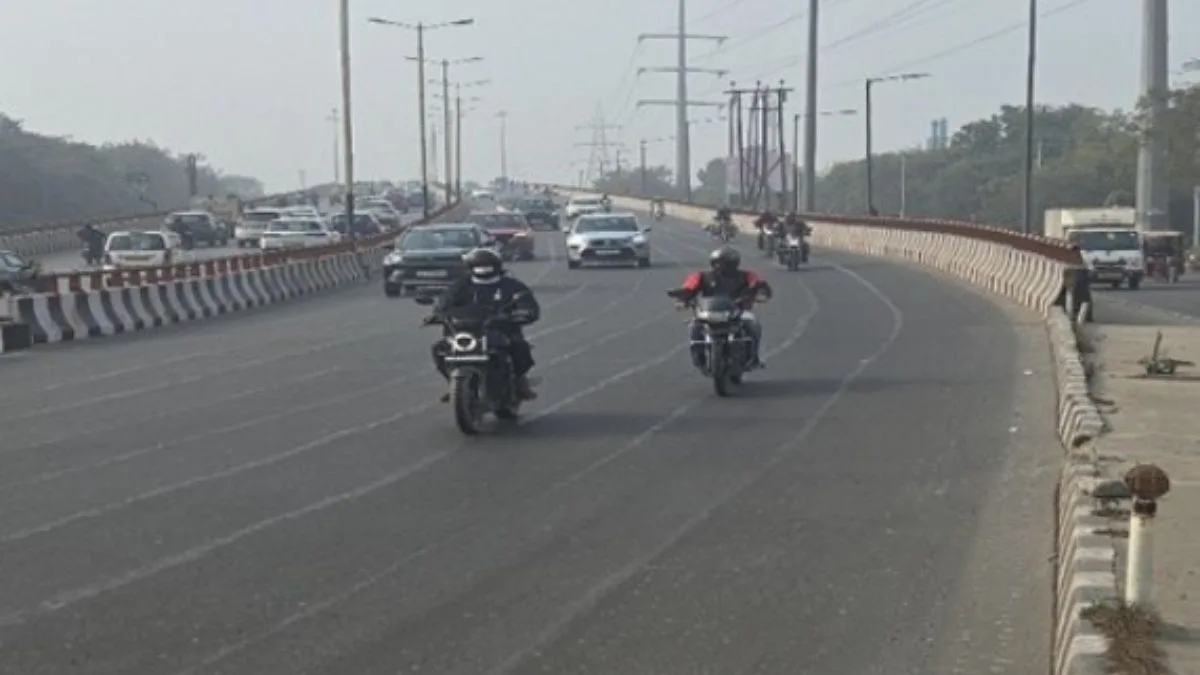
Right now, Delhi's air is still very bad, with some areas having 'severe' pollution.

GRAP is criticized for being based on outdated data and not effectively reducing pollution in Delhi-NCR.
Experts argue GRAP is only a temporary fix and doesn't address root causes like traffic congestion and waste burning.
Recent revisions to GRAP have moved some pollution-control measures to earlier stages, triggering restrictions sooner.
Delhi's air quality remains poor, with some areas recording 'severe' pollution levels as of the report.
CAQM officials claim they are reviewing and strengthening GRAP measures for better implementation.
- Who
- Environmental experts and CAQM officials
- What
- Criticism of GRAP's effectiveness in reducing Delhi's air pollution
- Where
- Delhi-NCR region
- When
- Report published on January 14, 2026; GRAP revised in November 2025
- Why
- GRAP is seen as a temporary measure that doesn't address root causes of pollution
Key facts
- GRAP Implementation Year
- 2017
- Annual Average PM10 in Delhi (2025)
- 197 micrograms per cubic metre
- National Standard for PM10
- 60 micrograms per cubic metre
- GRAP Stages
- Four stages based on AQI levels
- Recent GRAP Revision
- November 2025
- Current Air Quality (as of report)
- Very Poor to Severe
- Tools for Air Quality Management
- DSS and R-AASMAN
- Key Experts Cited
- Sunil Dahiya, Bharati Chaturvedi, Harjeet Singh
Quotes

Ministry of Environment, Forest, and Climate Change
Government ministry responsible for environmental policies and regulations.
“The inspection was conducted under Operation Clean Air to assess on-ground implementation of road cleaning and sweeping measures and to identify locations prone to visible dust, municipal solid waste accumulation, and related issues.”
 thestatesman.com