5 hrs ago
African Wild Dogs Travel Record 4,000 Kilometres Across Zambia
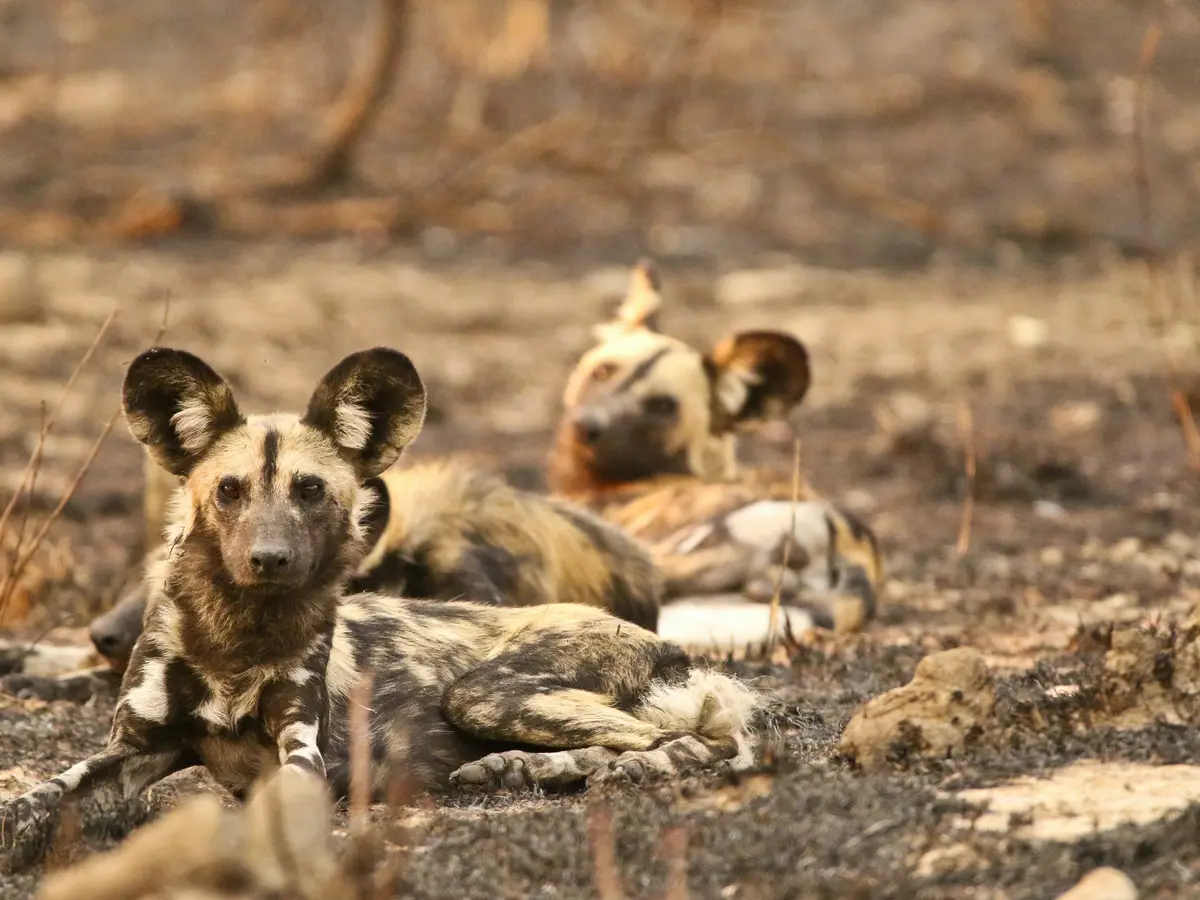
Three wild dog brothers travelled across Zambia to look for partners.
Their trip covered about 4,000 kilometres.
That is the longest journey of this kind recorded for an African land mammal.
The dogs had to travel much farther than the straight-line distance because roads, towns, farms, and other obstacles blocked their way.
They even passed through Lusaka and industrial areas.
Some other wild dogs died after becoming caught in illegal snares.
The dogs also returned to a place where one of their mates had died.
Scientists say natural strips of land could help wild dogs move safely between wildlife areas.
The study was published in the journal Ecology.

Three African wild dog brothers travelled about 4,000 kilometres across Zambia to find potential mates.
Scientists said the journey is the longest recorded dispersal by an African land mammal seeking a partner.
The dogs’ route crossed human-altered areas, including Lusaka and industrial zones, and was nearly 10 times the straight-line distance.
GPS tracking suggested wild dog populations in eastern and southern Africa may remain connected outside fenced areas.
Researchers said the journey highlights threats from illegal snares and the need for natural corridors linking fragmented habitats.
- Who
- Three African wild dog brothers, studied by researchers led by Professor Scott Creel of Montana State University.
- What
- The dogs completed a record dispersal of about 4,000 kilometres while searching for potential mates.
- Where
- Across Zambia, including Lusaka and heavily developed industrial areas.
- When
- The article does not specify when the journey occurred; the research was published in Ecology.
- Why
- African wild dogs leave their packs at about two or three years old because they cannot breed within the pack, prompting them to seek mates and new territories.
Connected wildlife corridors
Protected-area approach
How to protect movement routes
Connected wildlife corridors
Researchers called for natural strips of land outside protected areas to connect wildlife habitats separated by roads, towns, or farms.
Protected-area approach
The article states that co-author Bruce Ellender considered protected areas alone not functional in the long term, but it does not present a detailed alternative defense of relying only on them.
Key facts
- Distance travelled
- About 4,000 kilometres
- Straight-line distance
- About 420 kilometres
- Species population
- Approximately 6,000 African wild dogs remain
- Tracking method
- GPS collars
- Major hazards
- Human development and illegal snares
- Research journal
- Ecology
- Lead author
- Professor Scott Creel of Montana State University
Quotes
Professor Scott Creel
Lead author of the study from Montana State University
“It's plausible to believe that every major wild dog population in eastern and southern Africa, other than fenced ones, are potentially connected.”
 wionews.com
Sources
Related news
Deforestation Fragments Forests, Wildlife Movement and Human Conflict

Cheetah Nirva Missing From Monitoring System At Kuno Park

K9 Leon Retires After Years Tracking Poachers Across Assam
Why Elephant Corridors Matter as Disruptions Intensify Human Conflict