1 month ago
Oil transfers slow in Gulf of Oman

Recently, there has been a slowdown in the transfer of oil between tankers in the Gulf of Oman.
This is because there have been attacks on ships by Iranian forces, which has made it less safe for tankers to move oil.
Normally, tankers would transfer oil to each other outside the Strait of Hormuz, but now there are fewer of these transfers happening.
The U.S. military has been helping guide tankers to keep oil exports flowing, but some shipping companies are avoiding this help because of the safety concerns.
Iran says that ships using unsafe routes are responsible for their own problems.
Despite the attacks, the U.S. says that oil is still moving through the Strait of Hormuz, but at a reduced rate compared to before the conflict.

Oil transfers between tankers in the Gulf of Oman have slowed due to recent attacks by Iranian forces.
Satellite imagery shows a decrease in ship-to-ship transfers, with only one pair of tankers involved on July 18.
The U.S. military has been guiding tankers to ensure safe oil transfers, but some shipping companies are avoiding this help.
Iran's Revolutionary Guards claim that vessels using unsafe routes are responsible for their own security issues.
Oil exports through the Strait of Hormuz have decreased, with an average of two supertankers per day in the past week.
- Who
- U.S. military, Iranian forces, oil tankers
- What
- Slowdown in oil transfers in the Gulf of Oman due to recent attacks
- Where
- Gulf of Oman, Strait of Hormuz
- When
- Recent days, with notable events in June and July
- Why
- Recent attacks by Iranian forces on vessels have caused safety concerns and reduced oil transfer activity
U.S. Perspective
Iranian Perspective
Safety of Transit Routes
U.S. Perspective
The U.S. assures safe passage through the Strait of Hormuz without Iran's cooperation.
Iranian Perspective
Iran claims that vessels using unsafe routes are responsible for their own security issues.
Impact of Attacks
U.S. Perspective
The U.S. military has been involved in guiding tankers to ensure safe oil transfers.
Iranian Perspective
Iran's Revolutionary Guards have conducted attacks on vessels, citing unsafe routes.
Key facts
- Date
- July 20
- Location
- Gulf of Oman, Strait of Hormuz
- Key Entities
- U.S. military, Iranian forces, oil tankers
- Oil Transfer Method
- Ship-to-ship (STS) transfers
- Recent Satellite Imagery
- July 18 showed one pair of tankers involved in STS transfers
- Average Supertankers per Day
- Two supertankers per day in the past week, down from five the previous week
- Oil Export Volume
- Under 14 million barrels a day, two-thirds of pre-conflict traffic
Quotes
U.S. Energy Secretary Chris Wright
U.S. Energy Secretary
“Washington would continue to assure traffic through the strait 'without Iran’s cooperation'.”
 theprint.in
“The seven-day trailing average right now is just under 7 million barrels a day flowing through the waterway and just under 7 million barrels a day additional flow through the bypass pipelines. So, we’re at a little under 14 million barrels a day … That’s two-thirds of pre-conflict traffic, dramatically up from where we were back in March.”
theprint.in
Sources
Related news

Rishabh Pant Becomes Test Cricket’s Third-Highest Six-Hitter Overall

Hindalco's Baphlimali Mine Becomes India's First ASI-Certified Bauxite Operation

UK School Warns Parents Ahead of Prince Harry's Children's Enrollment

Student Opens Fire at School North of Bangkok, Fatalities Reported

AI Agents From Anthropic, OpenAI Caught Creating Fake Identities

Manslaughter Killers Barred From Early Release After Intervention

US-Iran Strikes Escalate as Tehran Warns of New Strategy
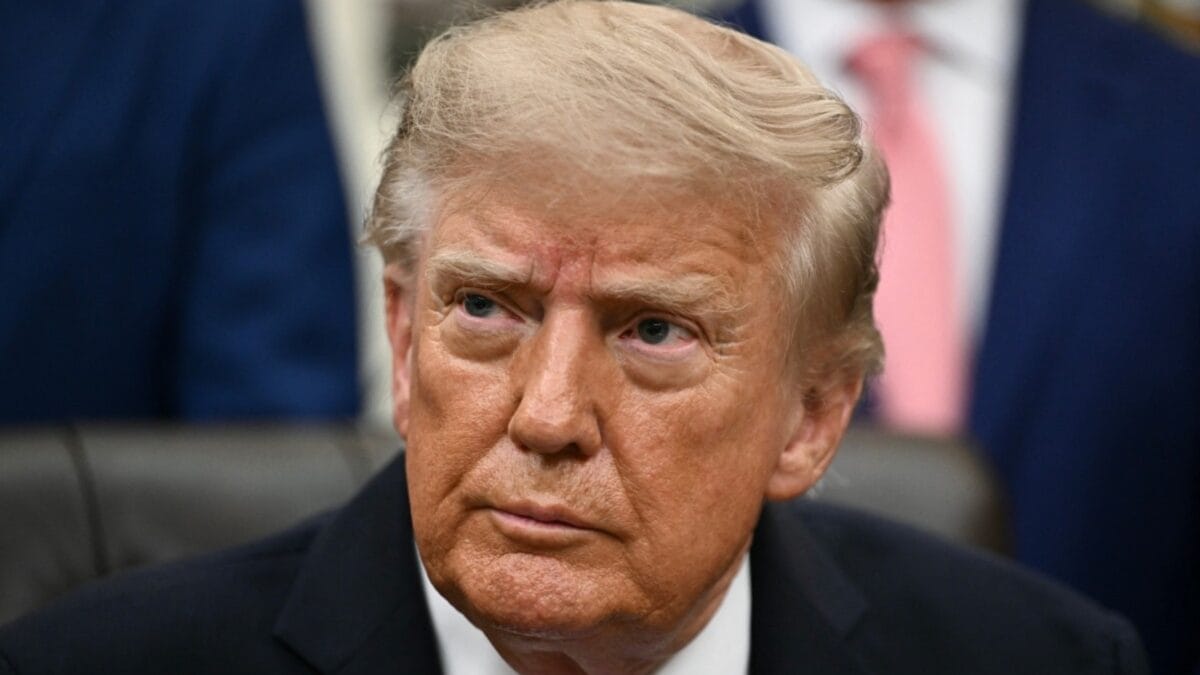
Trump Warns of Fresh Iran Strike After Heavy Attack

Trump Says US Could Attack Iran Again at Will

U.S. Treasury Yields Ease as Jobs Data Misses Expectations

Iran Seizes Fuel-Smuggling Vessel in Gulf, Arrests 11 Crew