2 hrs ago
Pezeshkian Rejects Trump’s Threats, Keeps Door Open To Diplomacy

Iran and the United States are fighting and arguing about how to end the conflict.
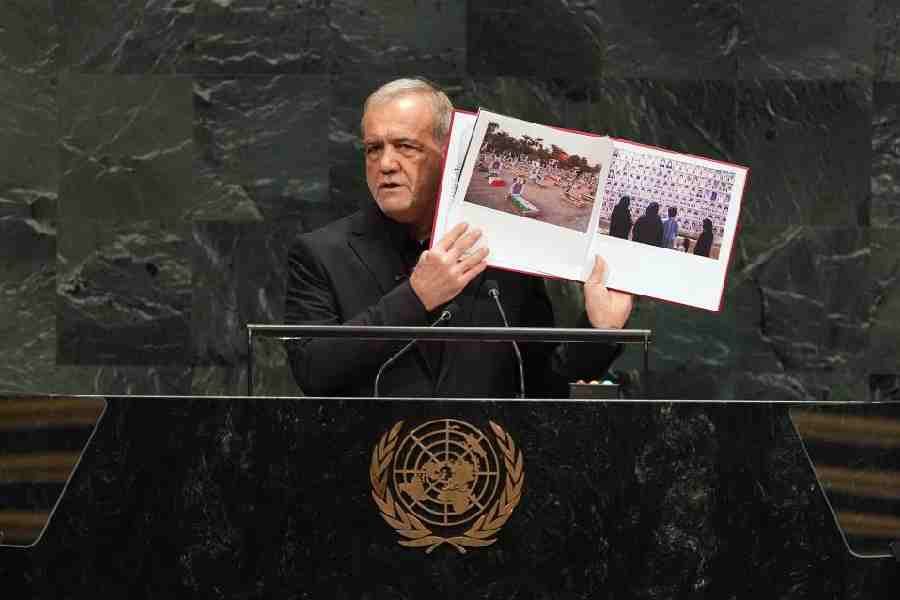
Iranian President Masoud Pezeshkian spoke about the dispute at the United Nations.
He said Iran would not give up because of threats or pressure.
He also said Iran was willing to talk with the United States.
Pezeshkian accused America of killing civilians during the war.
He said Iran does not want nuclear bombs but wants to keep a peaceful nuclear program.
The United States delegation left when his speech began.
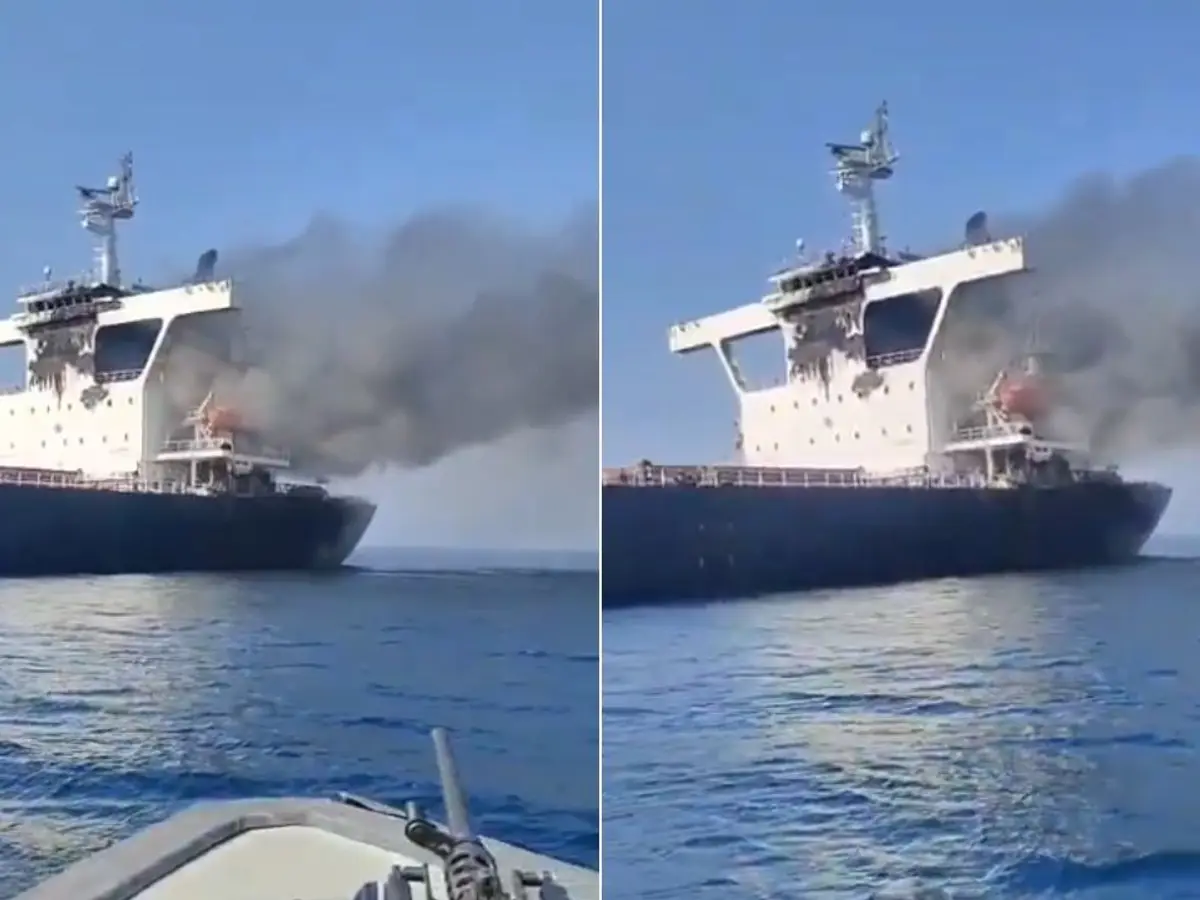
Tensions also involve the Strait of Hormuz, an important route for oil and gas shipments.

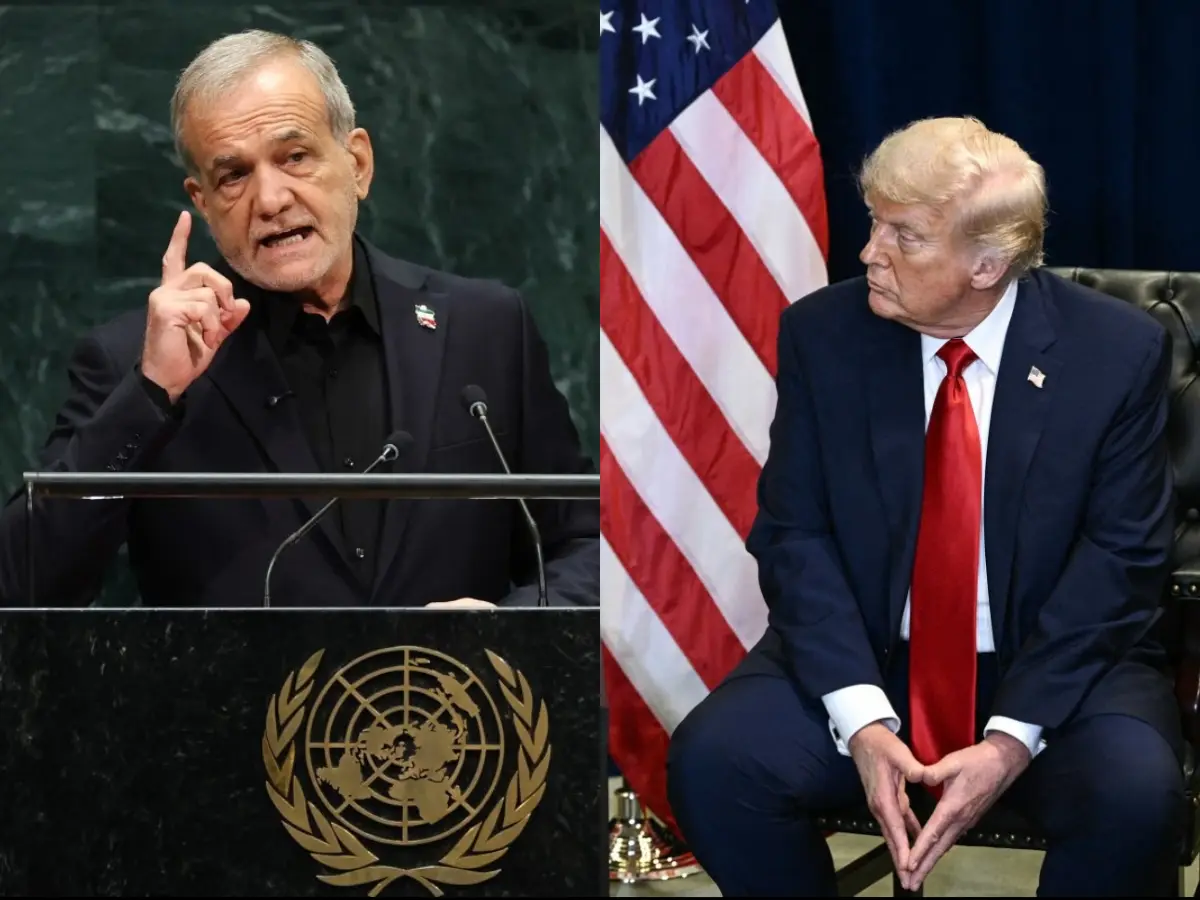
Iranian President Masoud Pezeshkian accused Donald Trump of using a “bullying mentality” at the United Nations.
Pezeshkian said Iran would not surrender but remained willing to negotiate with the United States.
The United States delegation walked out when Pezeshkian began his speech and did not immediately comment.
Pezeshkian accused the United States of civilian deaths, including a strike on a Minab primary school.
He said Iran rejects nuclear weapons but will not abandon its peaceful nuclear program or access to the Strait of Hormuz.
- Who
- Iranian President Masoud Pezeshkian and U.S. President Donald Trump were central to the dispute; the United States and Iran are the parties in conflict.
- What
- Pezeshkian rejected Trump’s threats and language of force while saying Iran remained open to negotiations.
- Where
- The remarks were delivered at the United Nations General Assembly.
- When
- Pezeshkian made the remarks on Wednesday, September 23, seven months into the conflict.
- Why
- Pezeshkian said threats would strengthen Iran’s resolve, while tensions concern the war, Iran’s nuclear program, economic pressure, and access to the Strait of Hormuz.
Iranian position
U.S. position
Negotiations and pressure
Iranian position
Pezeshkian said Iran is willing to resolve tensions through negotiations but will not accept threats or coercion.
U.S. position
Trump warned that he could annihilate Iran if no deal were reached, according to Pezeshkian’s account of his remarks.
Terrorism accusations
Iranian position
Pezeshkian rejected Trump’s description of Iran as the world’s leading sponsor of terrorism and accused those making the charge of supporting terrorism.
U.S. position
Trump described Iran as the world’s leading sponsor of terrorism, as quoted in the report.
Nuclear program
Iranian position
Pezeshkian said Iran will not pursue nuclear weapons but will retain its peaceful nuclear knowledge and program.
U.S. position
The report describes Washington as applying unprecedented economic pressure after military action failed to force Tehran to yield.
Key facts
- Speaker
- Iranian President Masoud Pezeshkian
- Venue
- The 193-member United Nations General Assembly
- Iran’s position
- Iran will not surrender but remains open to negotiations with the United States.
- Nuclear policy
- Pezeshkian said Iran does not seek nuclear weapons but will not give up its right to a peaceful nuclear program.
- Minab strike
- Iranian officials said a February 28 missile strike on a primary school killed more than 175 children and teachers.
- U.S. response
- The United States delegation walked out at the start of Pezeshkian’s speech; its U.N. mission did not immediately comment.
- Strait of Hormuz
- Iran has conveyed conditions for reopening the strategic waterway to the United States through mediators, according to Iranian sources.
Quotes

Masoud Pezeshkian
President of Iran speaking at the United Nations General Assembly
“It cannot be the case that everyone benefits from the Strait of Hormuz while we are denied access to shipping through this waterway. The permanent deployment of hostile fleets and the expansion of the war will not lead to peace”
 theprint.in
“The remarks made by the US president yesterday … are a sign of a bullying mentality. … The Iranian people will not bow to pressure. … Those who are terrorists and train terrorists call us terrorists”
theprint.in
Sources
Related news
Pezeshkian Defies Trump, Offers Diplomacy in UN Wartime Speech
Pezeshkian Defies Trump With Defiant UN Speech on Iran
Pezeshkian Rejects US and Israeli Pressure During India Visit

Pezeshkian Arrives in New York as Trump Threatens Iran

Iran President Challenges Trump With Minab Photos at UNGA

Iranian President Displays Minab Victims’ Photos at UN Assembly

Stocks Fall as Oil Surges Despite Trump’s Productive Iran Talks
Iran, US Remain Far Apart as Diplomacy Continues
Indian Sailor Killed in Strait of Hormuz Vessel Attack