

2 days ago
Vadapalli Temple Set for Tirumala-Style Temple City Development
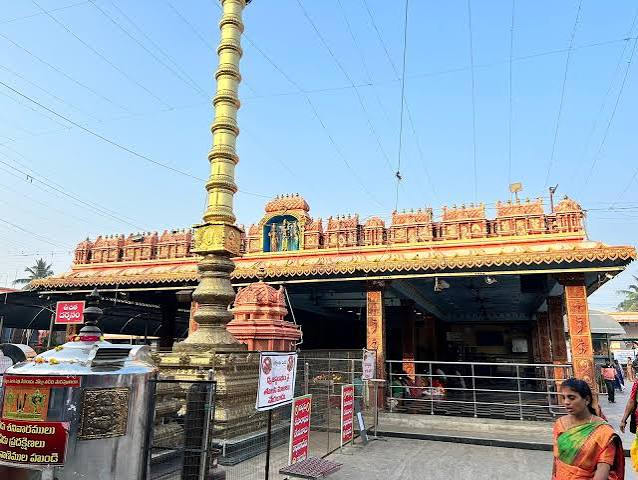
Officials want to make the Vadapalli temple into a larger Temple City.
They hope to develop it in a way similar to the famous Tirumala temple.
More people from across India are visiting Vadapalli, so better facilities are needed.
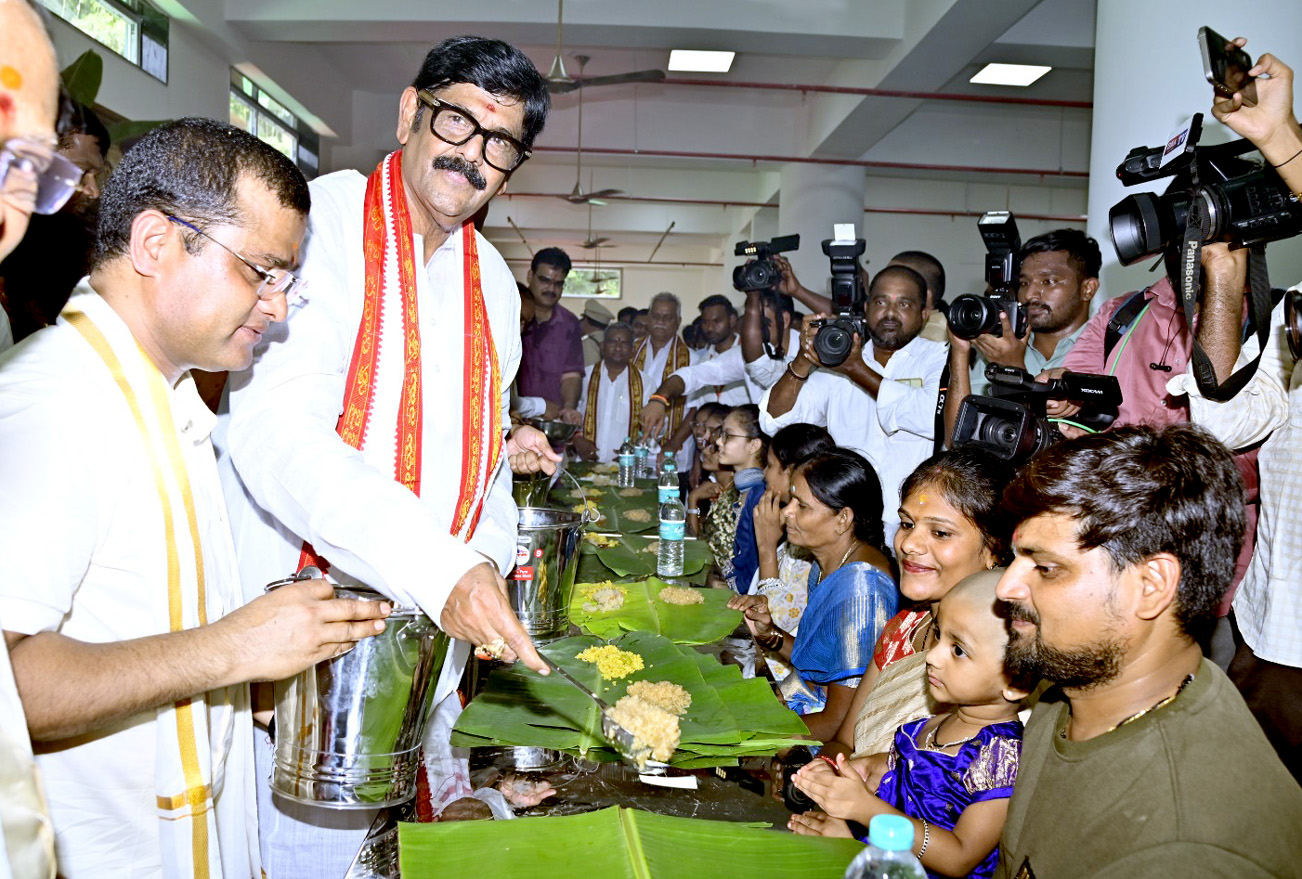
A new dining building for devotees has opened.
It cost ₹6.25 crore to construct.
The building can seat up to 2,500 people at one time.
It can help prepare food offerings for about 40,000 people each day.
Officials are also seeking central government funding and improving nearby roads and transport.

Union minister Bhupathiraju Srinivasa Varma proposed developing Vadapalli temple along the lines of Tirumala.
The temple is being considered for funding under the Union Ministry of Tourism’s PRASAD scheme.
A ₹6.25 crore Vakulamatha Annadana building was inaugurated to serve visiting devotees.
The facility can seat 2,000–2,500 people and prepare prasadam for about 40,000 daily.
Additional road, transport and temple funding was announced, including ₹6 crore from Pawan Kalyan.
- Who
- Union minister Bhupathiraju Srinivasa Varma, Kothapeta MLA Bandaru Satyananda Rao and other officials announced the plans.
- What
- The Sri Venkateswara Swamy temple at Vadapalli is to be developed as a Temple City on the lines of Tirumala.
- Where
- At the Sri Venkateswara Swamy temple in Vadapalli.
- When
- The announcement was made on Sunday; no specific date was provided.
- Why
- To accommodate increasing numbers of devotees and improve temple infrastructure, roads and transport.
Key facts
- Annadana building cost
- ₹6.25 crore
- Dining capacity
- Around 2,000 to 2,500 devotees at a time
- Daily prasadam capacity
- Around 40,000 people
- Proposed central funding
- Funds to be sought under the Union Ministry of Tourism’s PRASAD scheme
- Canal bund road funding
- ₹6 crore sanctioned to strengthen the road and improve transport facilities
- Additional funding
- ₹2 crore sanctioned from RUDA and Pushkara funds
- Reported hundi income
- ₹2 crore, according to Bhupathiraju Srinivasa Varma
Sources
Related news
Vadapalli Temple Master Plan Targets Future Pilgrim Needs

Naidu, Ministers to Open Rs 52.5-Crore Indrakeeladri Facilities
Andhra Pradesh Plans Improved Indrakeeladri Shrine Services Before Dasara
Vijayawada MP Vows Support for NTR District Temple Development
Minister urges youth to embrace sports and leadership

BJP announces 103-member state executive in Andhra Pradesh

Union Minister distributes Rs 22 lakh CMRF cheques in Bhimavaram
Andhra Pradesh Seeks GST Cut on Raw Tobacco
