

2 weeks ago
Tahini finds a new home in Indian fusion cuisine
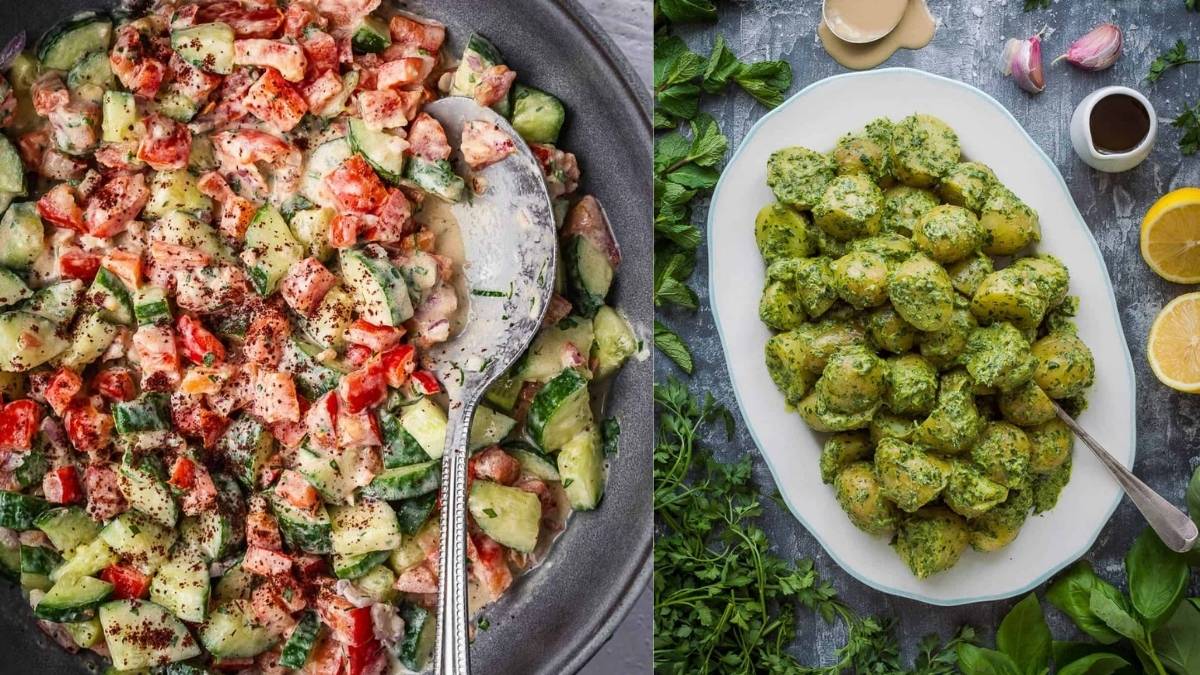
Tahini is a creamy paste made by grinding sesame seeds.
It comes from the Middle East, where people have eaten it for a very long time.
In India, tahini used to only show up with hummus, baba ganoush and warm pita on mezze platters.
Now, chefs are adding it to Indian dishes like tandoori potatoes, chaat, kebabs and salad dressings.
Its nutty, rich and slightly bitter taste works well with lots of Indian food.
Some bartenders are even mixing tahini into cocktails to give them body.
Tahini is good for you because it has healthy fats, fibre, protein and minerals like iron and copper.
But it is full of calories — 90 in a single tablespoon — so just a little is enough.
Indians have used sesame seeds for centuries, including in winter foods around the Makar Sankranti festival.

Tahini, long confined to mezze platters with hummus and pita in India, is now being used by chefs in tandoori dishes, chaat, kebabs and salad dressings.
Restaurants such as Ziya at The Oberoi in Mumbai, Atrangi–The Modern Indian Kitchen in Ahmedabad and Tahini-Middle Eastern Kitchen in Gurugram are featuring tahini in Indian-fusion preparations.
Bartenders are experimenting with tahini orgeat and fat-washing spirits to bring sesame flavour to cocktails without its texture.
Tahini is calorie-dense at 90 calories per tablespoon but contains unsaturated fats, fibre, plant-based protein and minerals including iron, copper and phosphorus.
The word tahini comes from the Arabic 'tahana', meaning 'to grind', and white sesame is already a traditional Indian ingredient in winter foods around Makar Sankranti.
- Who
- Indian chefs and bartenders at restaurants including Ziya at The Oberoi in Mumbai, Atrangi–The Modern Indian Kitchen in Ahmedabad and Tahini-Middle Eastern Kitchen in Gurugram.
- What
- Tahini, a ground sesame paste, is being incorporated into Indian dishes, dressings and cocktails in a growing fusion trend.
- Where
- Large Indian cities including Delhi, Mumbai, Bengaluru, Ahmedabad and Gurugram.
- When
- No specific date is given; the articles describe it as a current trend.
- Why
- Because tahini's nutty, rich and faintly bitter flavour is surprisingly accommodating to Indian food, and because of its health appeal.
Key facts
- Ingredient
- Tahini, a creamy paste of ground sesame seeds
- Flavour profile
- Nutty, rich and faintly bitter
- Calories
- 90 calories per tablespoon
- Key nutrients
- Unsaturated fats, fibre, plant-based protein, iron, copper, phosphorus
- Etymology
- From Arabic 'tahana', meaning 'to grind'
- Signature dishes
- Tandoori aloo with tahini (Ziya, Mumbai); atrangi hummus ki chaat (Atrangi, Ahmedabad); tahini with adana kebabs (Tahini-Middle Eastern Kitchen, Gurugram)
- Sesame in Indian tradition
- White sesame appears in winter foods around Makar Sankranti, such as Maharashtra's bhogichi bhaji
Sources
Related news
Tamarind's Global Rise: From Indian Kitchens to World Cuisine

Tandoor's Global Rise From Indian Kitchens to Fine Dining

US Snack Detective Says Indian Food Ruined Other Cuisines

Chefs Celebrate Independence Day with Regional Indian Heritage Recipes

India's Condiment Boom Leaves Shoppers Spoilt, Confused and Overwhelmed

Delhi Luxury Hotels Tighten Availability Ahead of BRICS Summit

Trial in Absentia Begins Against Six 26/11 Accused Under BNSS

How a jobless young man built India's greatest hotel empire

Kapil Dev Witnesses Historic Siam Sports League-TGCL Alliance
