

2 weeks ago
Tamarind's Global Rise: From Indian Kitchens to World Cuisine

Tamarind is a fruit that tastes both sour and sweet, and people have used it in cooking for a very long time.
It grows on trees and is popular in many countries, especially in India, where it is used in curries, soups, and chutneys.
Now, tamarind is becoming popular all over the world in snacks, drinks, and fancy restaurants.
Chefs like it because it adds a special tangy flavor that is different from lemon or vinegar.
It can also help thicken sauces and goes well with many spices and fruits.
Tamarind is used in famous dishes like Pad Thai and Pulihora.
Eating a little bit of tamarind can be good for you because it has fiber and minerals that help your body.
But too much might make your tummy feel uncomfortable.
Tamarind is also used to make tasty drinks like jaljeera and even special cocktails.
It is a fun ingredient that connects old traditions with new ideas in cooking.

Tamarind, a long-time staple in Asian, African, and Middle Eastern cuisines, is now appearing in packaged foods, cocktails, snacks, and fine dining.
Chefs and food experts highlight tamarind's sweet-sour, fruity notes and natural thickening ability as reasons for its versatility across dishes like Pad Thai, Pulihora, and Sinigang.
Tamarind unites India's regional cuisines, appearing in dishes such as Andhra's Pulihora, Maharashtra's Chinch Gulachi Amti, Tamil Nadu's Meen Kuzhambu, and Hyderabad's Khatti Dal.
Nutritionist Dr Aaryin Memon notes tamarind is rich in fibre, antioxidants, and minerals like magnesium, potassium, and iron, supporting digestion and helping regulate cholesterol and blood sugar when eaten in small amounts.
Tamarind is also shaping beverage culture with classics like Jaljeera alongside tamarind mojitos, sparkling coolers, and kombucha blends.
- Who
- Chefs and food experts including Vidhi Doshi, Chef Reetu Uday Kugaji, Sheeba de Souza, and nutritionist Dr Aaryin Memon
- What
- The rising global popularity and culinary versatility of tamarind
- Where
- India and globally, across Asia, Africa, and the Middle East
- When
- Current trend, with tamarind described as 'suddenly everywhere'
- Why
- Tamarind's sweet-sour flavor, natural thickening ability, and versatility across cuisines make it a sought-after ingredient
Key facts
- Primary Flavor
- Sweet-sour, faintly fruity with tangy notes
- Key Dishes
- Pad Thai, Pulihora, Sinigang, Chinch Gulachi Amti, Meen Kuzhambu, Khatti Dal, Imli Ka Amlana
- Health Benefits
- Rich in fibre, antioxidants, magnesium, potassium, and iron; supports digestion, muscles, nerves; helps regulate cholesterol and blood sugar
- Culinary Uses
- Dips, pickles, sauces, drinks, snacks, curries, chutneys, dressings, marinades, glazes
- Beverage Uses
- Jaljeera, tamarind mojitos, sparkling coolers, kombucha blends
- Featured Experts
- Vidhi Doshi, Chef Reetu Uday Kugaji, Sheeba de Souza, Dr Aaryin Memon
Quotes
Chef Reetu Uday Kugaji
Culinary expert and chef consultant
“"Tamarind unites India’s regional cuisines while letting each state preserve its identity. From Andhra’s temple Pulihora to Maharashtra’s Chinch Gulachi Amti, Tamil Nadu’s Meen Kuzhambu and Hyderabad’s Khatti Dal, it defines depth and balance."”
 deccanchronicle.com
“"Tamarind's sweet-sour, faintly fruity notes add acidity with more depth than lemon or vinegar. From Pad Thai to Pulihora to sour soup Sinigang, tamarind proves its versatility."”
deccanchronicle.com
Sources
Related news
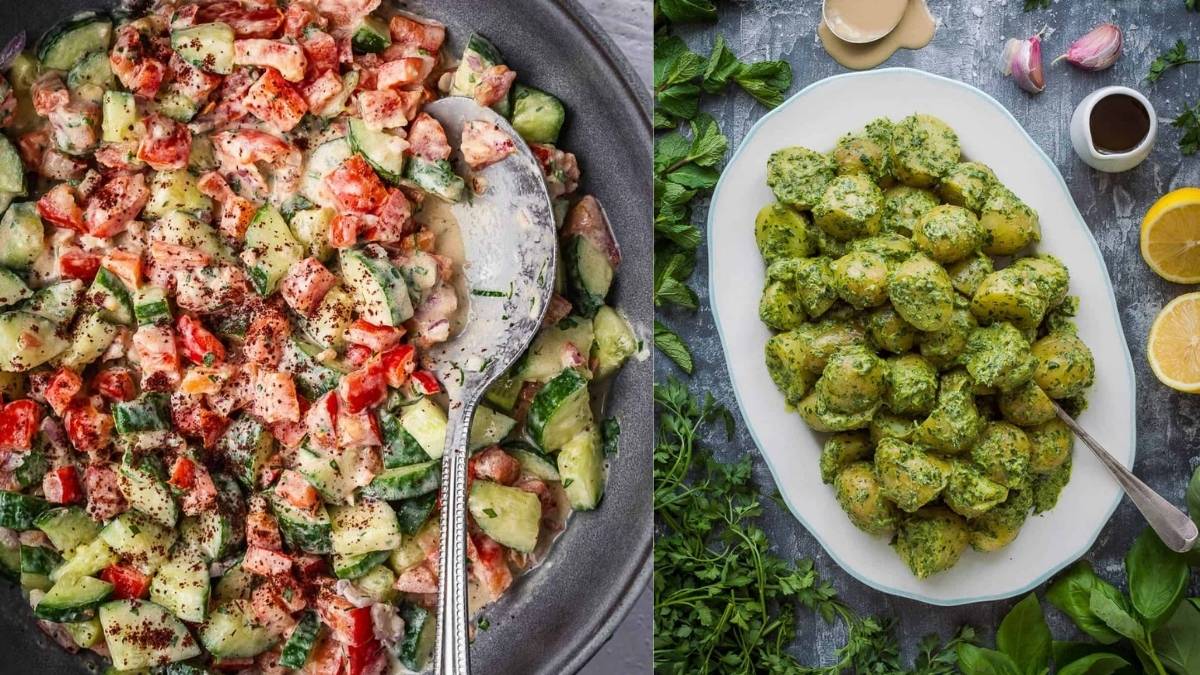
Tahini finds a new home in Indian fusion cuisine

Tandoor's Global Rise From Indian Kitchens to Fine Dining
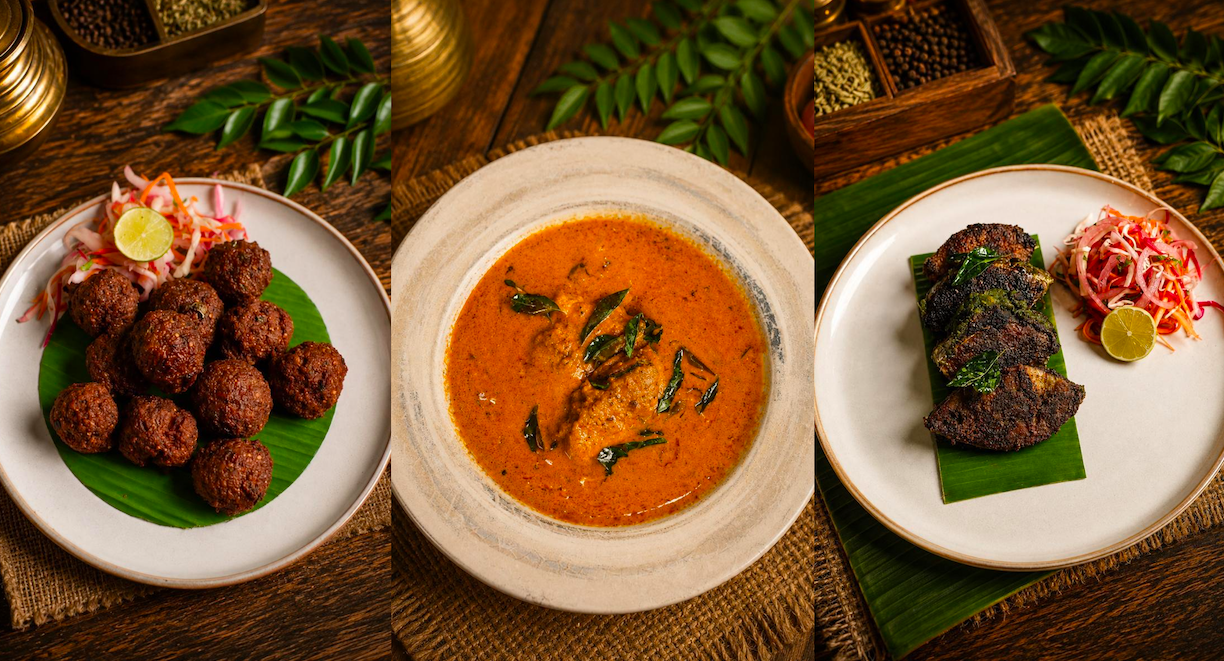
Tamil Food Pop-Up at Mazzo Highlights Kongu Nadu Flavors

Jamun Finds a Premium Place in India’s Beverages
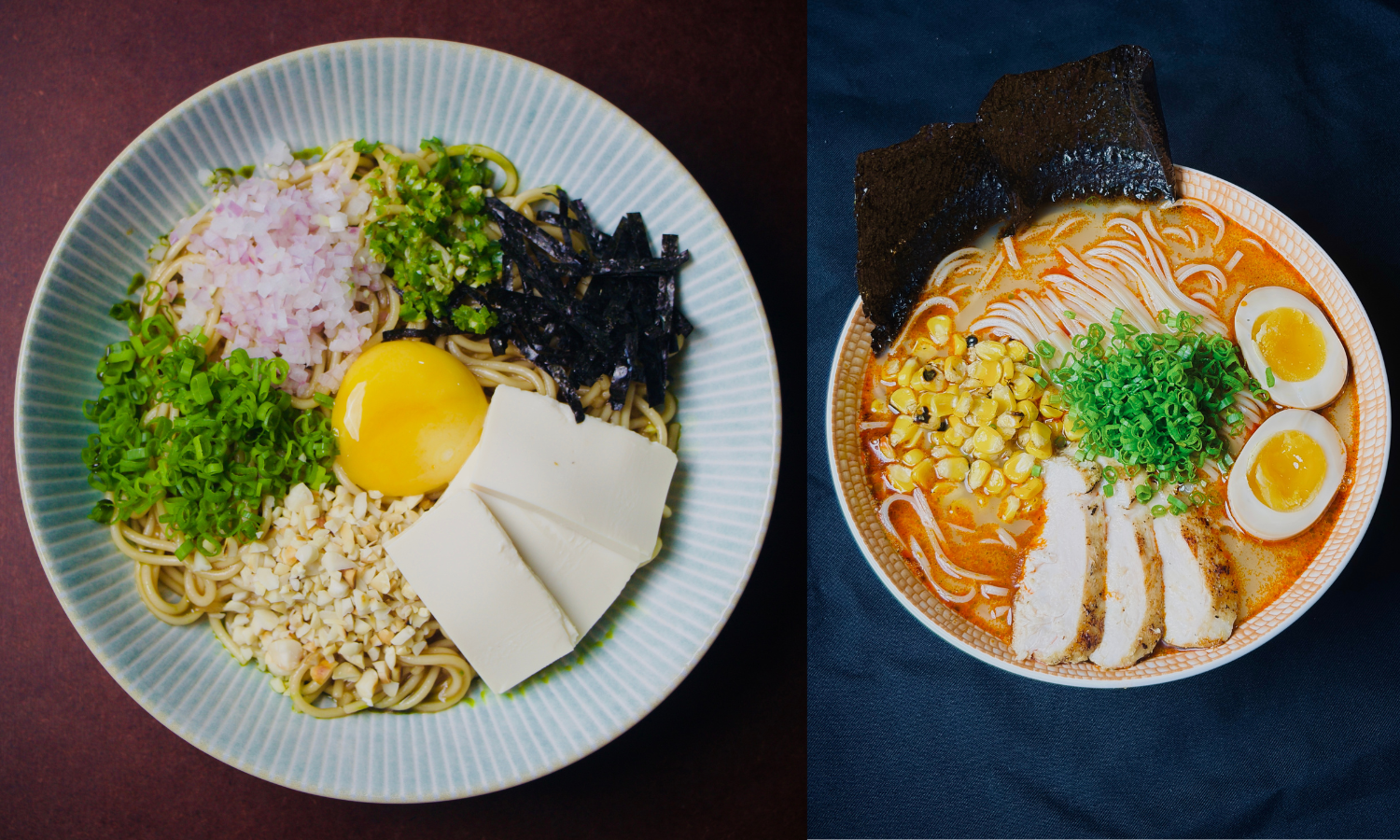
Telugu Cuisine Gets Contemporary Fine Dining at ROCH Chef's Table

USS Abraham Lincoln Docks in Thailand

Gold Prices Fall Further Amid US-Iran Tensions and Rate Fears

Iran Says It Targeted US Forces in Bahrain

Gold falls to two-week low as yields, dollar pressure prices

Jefferies Sees 33% Reliance Industries Upside Amid Refinery Disruptions
