

2 weeks ago
Supreme Court Signals FIR Relief for Student Protesters Over Leaks

A lot of students in India were upset because they thought their exams were not fair.
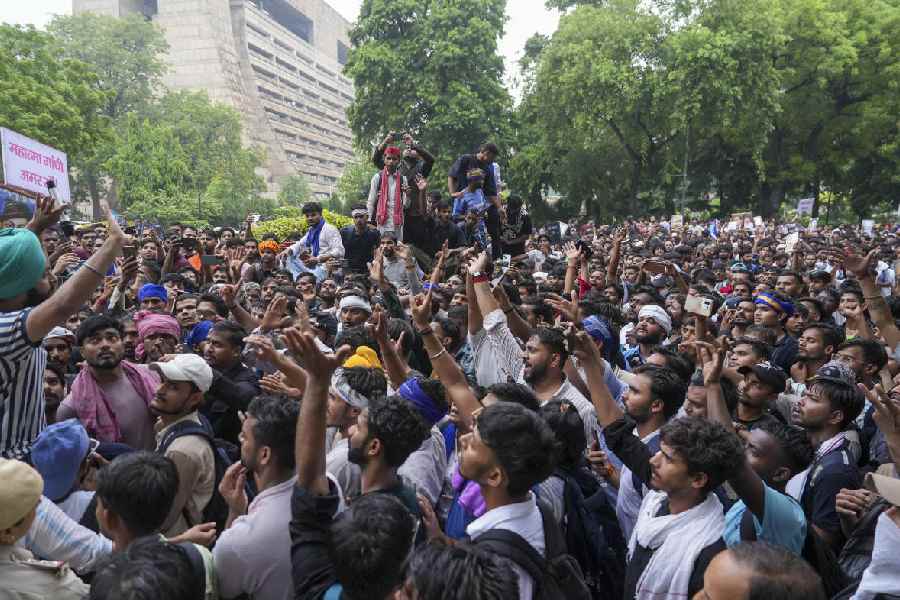
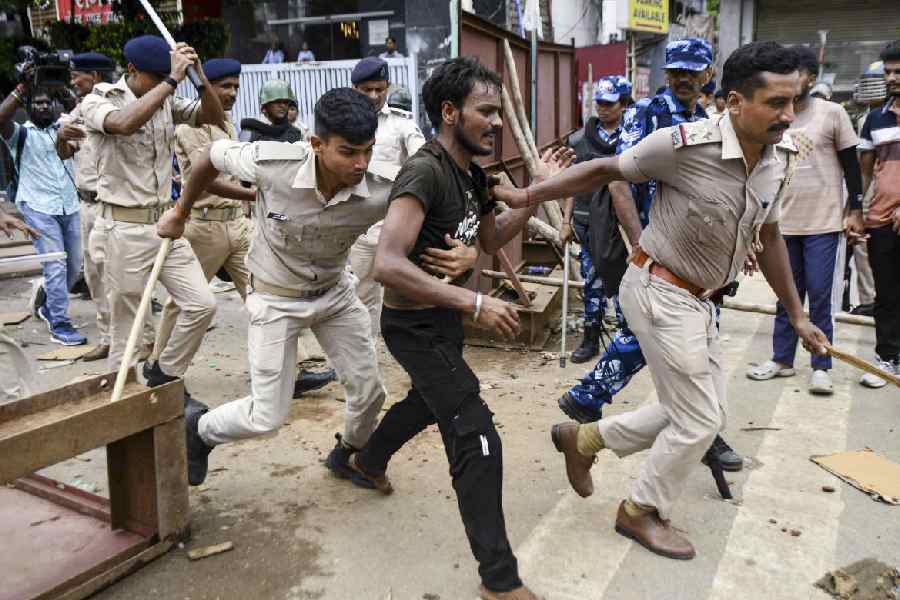
They went out to protest, and the police registered cases against many of them.
The Supreme Court of India, the country's highest court, said these students should not be punished just for protesting peacefully.
The judges said the students' futures are very important.
They want to cancel most of the cases against the students.
But people who are suspected of very serious crimes, like murder, will still be investigated.
The court also wants to form a committee of experts to look into what happened during the protests.
The judges said students do not need to say sorry for protesting peacefully.
They also said videos and other digital evidence from the protests must be kept safe.
Some people are worried about how the police treated the protesters, but the police say they did not use too much force.

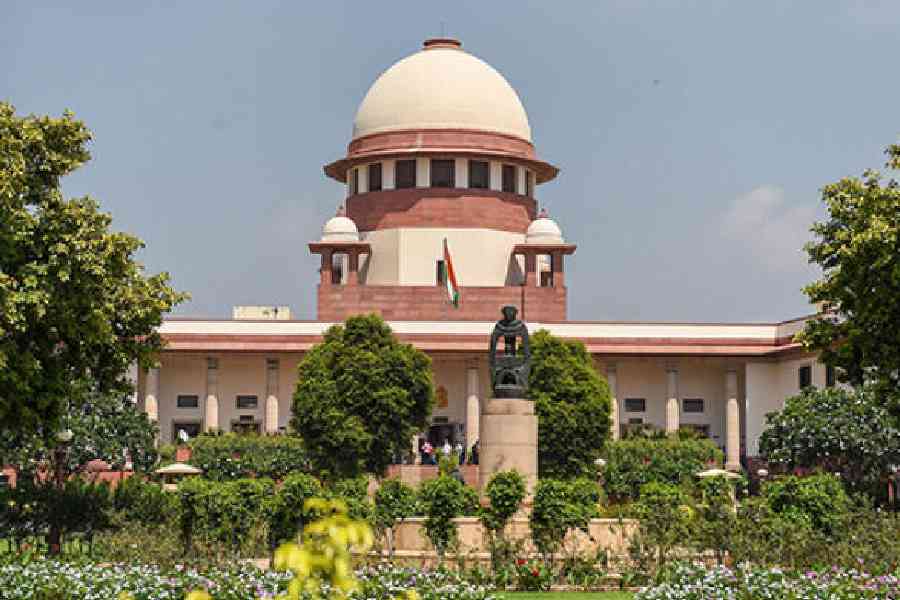
The Supreme Court indicated it intends to quash FIRs against students over nationwide protests about examination paper leaks and other alleged irregularities.
Solicitor General Tushar Mehta told the court that, barring about 2,873 individuals facing grave charges such as murder, rape and abduction, cases against others could be quashed.
The court plans a high-powered committee including a former Supreme Court judge, a former High Court judge and a former DGP to examine issues from the protest violence.
The court rejected a call for student protesters to file remorse affidavits, distinguishing peaceful protesters under Article 19 from hardened criminals.
The court ordered preservation of CCTV, drone, body-worn camera footage and digital data, and release of minors under 18 without criminal antecedents; Delhi Police and Bihar police denied excessive force.
- Who
- Student protesters, the Supreme Court of India (bench led by Chief Justice of India Surya Kant), Solicitor General Tushar Mehta, and lawyers on all sides.
- What
- The Supreme Court signaled it intends to quash FIRs against student protesters over exam paper leak protests while excluding people with serious criminal histories and planning a committee to examine violence allegations.
- Where
- India — protests occurred in Delhi, Assam, Bihar, West Bengal, Uttar Pradesh, Madhya Pradesh, Maharashtra and Kerala.
- When
- The hearing took place on Tuesday; the protests began on July 20, with earlier court orders on July 28 and August 3.
- Why
- Students protested over examination paper leaks and other alleged irregularities, and the court cited concerns over the future of thousands of students.
Protecting Students' Futures
Enforcing Accountability for Unlawful Protests
Withdrawal of cases against student protesters
Protecting Students' Futures
The Supreme Court and lawyers for students say FIRs should be quashed because peaceful protest is a constitutionally protected right under Article 19 and these cases risk the future of innocent students; the court rejected remorse affidavits as unnecessary.
Enforcing Accountability for Unlawful Protests
Advocate Rizwan Ahmed argued the July 20 Parliament march was unlawful under the Bharatiya Nagarik Suraksha Sanhita (BNSS), so participants should not escape liability; he said students should file affidavits expressing remorse and warned that leniency could later be seen as weakness.
Police conduct during the protests
Protecting Students' Futures
Protesters' lawyers (including Senior Advocates Shadan Farasat, Gopal Sankaranarayanan and Menaka Guruswamy, and Advocates N Hariharan and Vrinda Grover) alleged police violence, including documented molestation, force by plainclothes officers without name tags, online threats against women protesters, misuse of facial recognition and disclosure of protesters' digital data; they sought immediate disciplinary action.
Enforcing Accountability for Unlawful Protests
Delhi Police and Bihar police filed counter-affidavits denying the use of excessive force against protesters.
Key facts
- Court
- Supreme Court of India bench comprising Chief Justice Surya Kant and Justices Joymalya Bagchi and V Mohana
- Proposed relief
- Quashing of FIRs against student protesters, excluding about 2,873 individuals facing grave charges such as murder, rape and abduction
- Planned committee
- High-powered committee with a former Supreme Court judge, former High Court judge and former DGP; consent obtained from a former CBI Director
- Protests
- Nationwide protests from July 20 over examination paper leaks and alleged irregularities
- States involved
- Delhi, Assam, Bihar, West Bengal, Uttar Pradesh, Madhya Pradesh, Maharashtra and Kerala
- Earlier order
- August 3 clarification that states were free to close or withdraw FIRs against students in accordance with law
- Key directives
- Preserve CCTV, drone, body-worn camera footage, wireless records and PCR logs; protect protesters' digital data; release detained minors under 18 without criminal antecedents
- Police response
- Delhi Police and Bihar police filed counter-affidavits denying the use of excessive force
Quotes
Solicitor General of India Tushar Mehta
Solicitor General of India
“"Barring 2,873 individuals facing grave cases involving offences such as murder, rape and abduction, cases against the others could be quashed."”
 freepressjournal.in
“"FIRs against student protestors must be quashed. Anti‑social elements who infiltrated have to be probed."”
freepressjournal.in
Sources
Related news
Supreme Court to Quash FIRs Against Innocent NEET Protesters
Centre Seeks Supreme Court Quashing of NEET Protest FIRs
Supreme Court Quashes Student Protest FIRs, CJP Withdraws March

Supreme Court Panel to Probe Delhi NEET Protest Police Excesses

Supreme Court Quashes NEET Protest FIRs, CJP Cancels Rally
Supreme Court Quashes NEET Protest FIRs; CJP Calls Off March

Bihar’s Cybercrime Crisis Grows Through Five Converging Trends
Bihar Minister Promises Time-Bound Action on Recruitment Grievances
Six-Year-Old Questions Bihar Police Action at Student Protest

Bihar Fisherman Arrested After Viral Video Shows Dolphin Catch
Rahul Gandhi Accuses Bihar Government Over Student Protest Crackdown
