1 hr ago
Why Digital Connection Can Still Leave Us Lonely

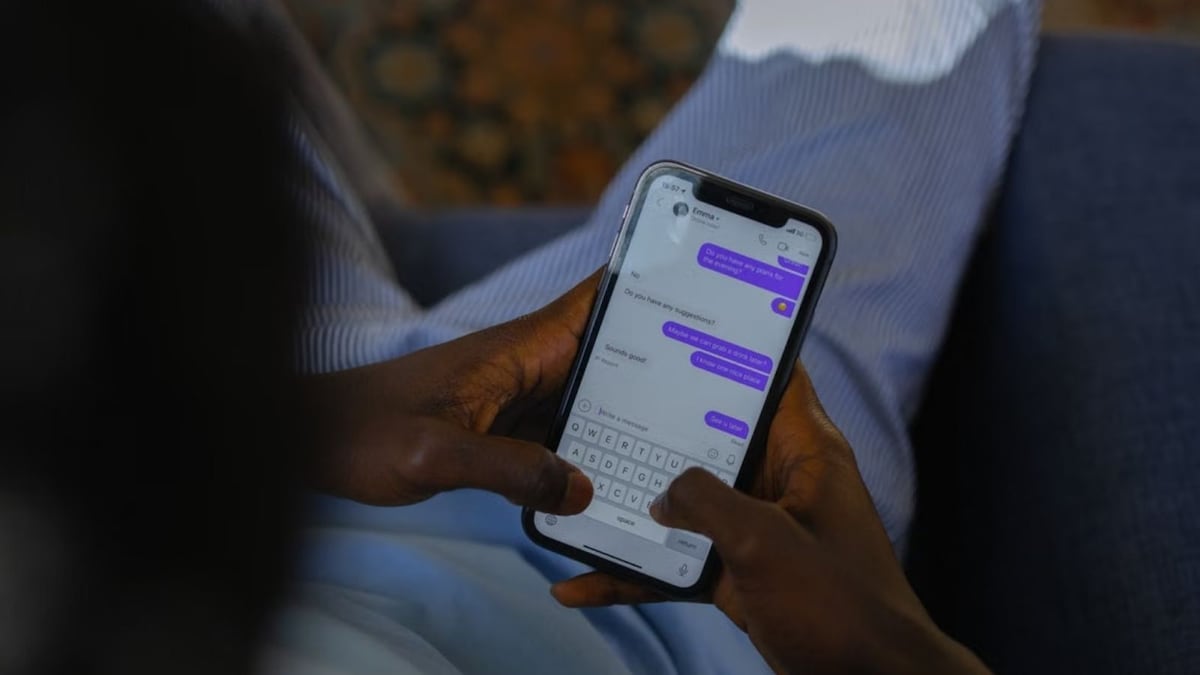
People can talk to many others online and still feel lonely.
That is because being able to contact someone is not always the same as feeling close to them.
The essay says people often need honest time together, not just polished pictures or planned calls.
In the past, neighbours and friends sometimes spent time together without a special reason.
Those communities could be restrictive, but they also helped people feel they belonged.
Research mentioned in the essay connects more screen time and less time with friends to greater loneliness among teenagers.
It does not prove that screens cause loneliness.
The author suggests putting phones aside sometimes and making room for relaxed, unplanned conversations.
Such moments can help people feel accepted as they are.

The essay argues that loneliness is a gap between the relationships people have and those they need, not simply being physically alone.
Digital tools make people easier to reach, but curated online communication may not provide the vulnerability and closeness of in-person interaction.
The author says older social settings such as neighbourhoods and adda fostered unplanned interaction, though they could also be intrusive or restrictive.
Research cited in the essay links falling face-to-face time among teenagers with rising loneliness, while noting that correlation does not prove causation.
The essay calls for more unstructured time together and relationships where people can be seen without performing for an audience.
- Who
- People experiencing loneliness, with particular reference to connected Indians and teenagers discussed in cited research.
- What
- An opinion essay argues that digital reach does not necessarily create belonging and advocates unstructured, genuine connection.
- Where
- The essay focuses on Indian social life while describing loneliness as a universal issue.
- When
- The essay describes a trend of rising loneliness since 2010, made more concerning after Covid-19.
- Why
- The author argues that curated, controlled communication can replace rather than supplement the unguarded presence and relationships people need.
Risks and losses
Benefits and nuance
Digital communication
Risks and losses
Curated online interaction can keep people in touch while leaving them isolated, and may substitute for face-to-face closeness.
Benefits and nuance
The essay says smartphones are not simply villains; their effects depend on whether digital contact supplements or replaces real closeness.
Traditional communities
Risks and losses
Joint families and other close-knit settings could be oppressive, intrusive, hierarchical, and limiting of privacy and choice.
Benefits and nuance
They also supplied a sense of belonging and everyday interaction that helped people form relationships without having to create them alone.
Key facts
- Central distinction
- Being connected is not the same as belonging.
- Definition of loneliness
- A subjective gap between the relationships a person has and the relationships they need.
- Trend cited
- Global health studies are described as showing chronic loneliness and isolation rising since 2010.
- Pandemic context
- The trend is said to have become more concerning since Covid-19.
- Teen research
- Jean Twenge is cited for findings that declining face-to-face hours and rising screen hours among American teenagers tracked closely with loneliness.
- Research caveat
- The essay says correlation is not proof that screen use causes loneliness.
- Suggested response
- Make space for unstructured presence, vulnerability, and conversation without an agenda.
Sources
Related news
Urban Indian Singles Face Loneliness Despite Active Social Lives

Why Solo Table Theory Is Turning Dining Alone Into Confidence

Finding Comfort in Solitude and Ways to Ease Loneliness

Doctors Warn Loneliness Is Becoming a Silent Epidemic Among Elderly

Indian Gen Z Moves Out While Staying Close to Family