

1 week ago
Why Solo Table Theory Is Turning Dining Alone Into Confidence

Solo Table Theory is a social-media trend about enjoying time alone in public.
People try sitting at a café or restaurant without hiding behind a phone or book.
The idea is that being alone can feel confident instead of embarrassing.
More people are also booking tables for one.
OpenTable reported that solo reservations rose by 19 percent globally in 2025.
Experts say being alone is not the same as feeling lonely.
Healthy solitude can help people feel calm and understand themselves better.
But people should still keep connecting with friends and family.

The “Solo Table Theory” encourages people to sit alone in public without using phones, books or laptops as distractions.
OpenTable reported a 19 percent increase in solo reservations globally in 2025, the largest rise among table sizes.
Restaurants are adapting by redesigning bar counters and window seats for diners who arrive alone.
Mental health expert Tanvi Singh distinguishes restorative solitude from loneliness and unwanted isolation.
Supporters say solo meals and trips offer freedom and self-understanding without replacing relationships or social connection.
- Who
- People embracing solo dining and travel, along with mental health expert Tanvi Singh and diners quoted in the article.
- What
- The “Solo Table Theory” trend encourages people to spend time alone in public without digital or physical distractions.
- Where
- Cafés, restaurants, bookshop cafés and other public places, including Goa.
- When
- The trend has spread on Instagram in recent months; solo reservations rose in 2025.
- Why
- People are seeking independence, freedom from compromise and time to understand their own needs, while the article cautions against confusing solitude with isolation.
Solitude as Empowerment
Isolation as a Risk
Meaning of being alone
Solitude as Empowerment
Supporters see solo meals, trips and café visits as confident choices that provide freedom and self-understanding.
Isolation as a Risk
The article warns that being alone can become unhealthy when it involves withdrawing from people one wants around or no longer feels voluntary.
Relationship with social life
Solitude as Empowerment
Enjoying time alone does not require giving up friends, family or group activities.
Isolation as a Risk
People who treat independence as complete self-sufficiency could risk distancing themselves from social connections.
Key facts
- Trend name
- Solo Table Theory
- Solo reservation growth
- OpenTable recorded a 19 percent global increase in solo reservations in 2025.
- Common practice
- Participants sit alone in public without a phone, book or laptop.
- Restaurant response
- Some restaurants are redesigning bar counters and window seats for solo diners.
- Healthy solitude
- Tanvi Singh says it can leave people feeling restored, peaceful or more connected to themselves.
- Isolation warning
- Withdrawing from desired relationships and feeling unable to stop being alone may indicate isolation.
- Emotional independence
- Being comfortable alone can coexist with needing and connecting with other people.
Quotes
Ritika Rawat
A 25-year-old copywriter who enjoys weekly solo lunches
“I used to be convinced everyone in the restaurant was staring at me. Then it clicked that nobody cares, they're all busy with their own food. Now it's my favourite hour of the week. No small talk, no compromises on what to order. Just me and a plate of exactly what I want.”
 freepressjournal.in
“The simplest distinction I would make is: solitude is about being alone; loneliness is about feeling alone. You can be sitting by yourself in a café and feel completely content, and you can be surrounded by twenty people and feel incredibly lonely”
freepressjournal.in
Sources
Related news
For Single Women, Independence Can Bring Freedom—and Loneliness
R Madhavan Questions Theatre Dining as Expert Defends Undivided Attention
Experiential Travel Reshapes How Indians Plan Their Vacations
Why Cancelled Plans Can Feel Like Relief: Six Reasons
How Mumbai’s The Table Grew Into A Food Empire
NCPCR Summons Meta India Head Again Over Abuse Ads

Nobel laureate Ressa urges immediate limits on artificial intelligence
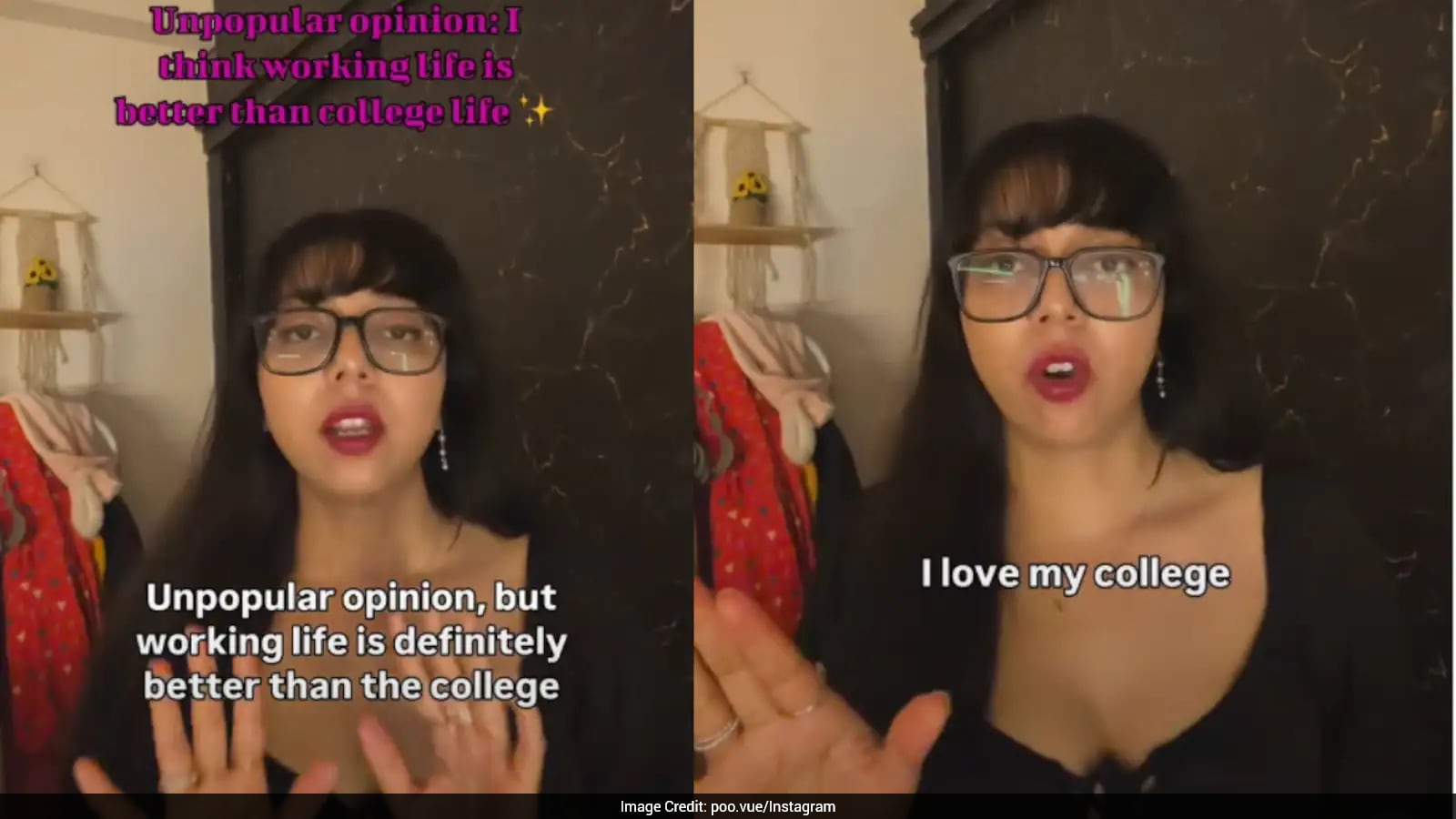
Woman Says Working Life Offers More Freedom Than College

Major Sambyal’s Instagram Subscription Sparks Army ‘Downfall’ Debate
Meta Reports Child Safety Matters Directly To India’s I4C Portal
