1 week ago
Australia Confirms First Mammal H5N1 Case, Reports Second Suspected Seal
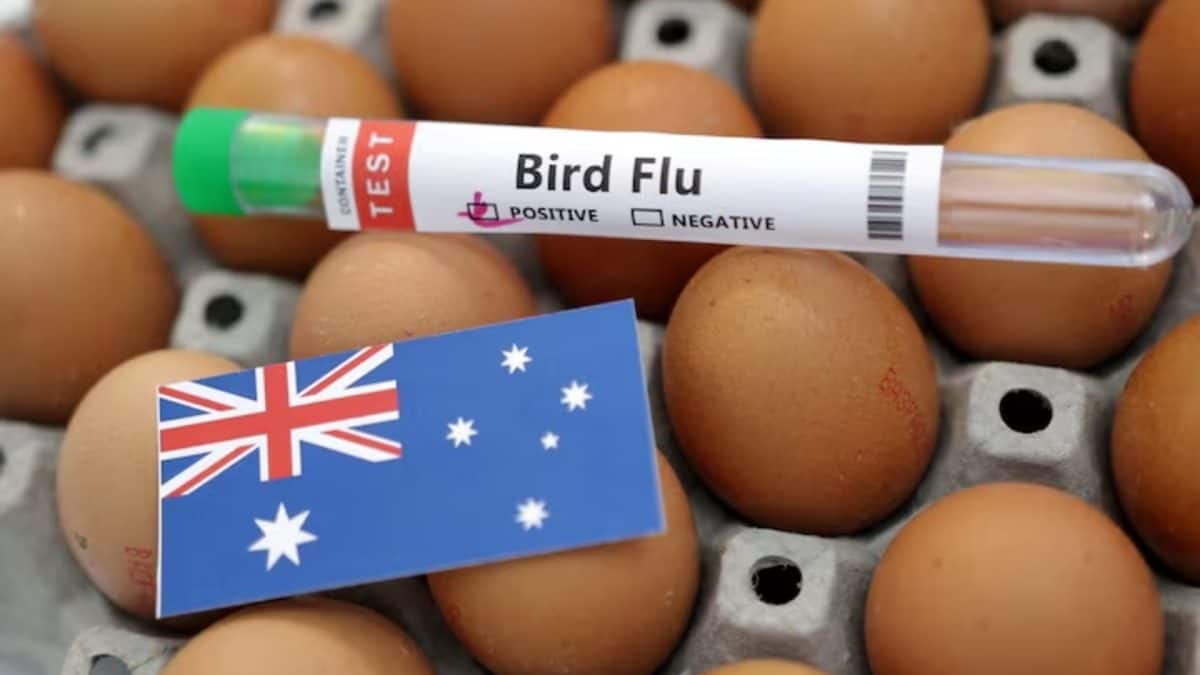
Australia found its first confirmed case of H5N1 bird flu in a mammal.
The virus was found in a dead long-nosed fur seal near Beachport in South Australia.
Officials then reported a second seal that may also have the virus.
That seal was found on islands at Pages Conservation Park.
Scientists are testing samples to find out whether the second case is confirmed.
More than 1,000 birds have also died in suspected bird-flu events on three islands.
The islands are home to an important colony of endangered Australian sea lions.
Conservation groups worry the disease could badly harm these animals.
Government officials say more wildlife deaths may occur as the virus spreads through the environment.

Australia confirmed its first mammal H5N1 case in a dead long-nosed fur seal found near Beachport, South Australia.
Authorities reported a second suspected infection in a long-nosed fur seal at Pages Conservation Park, 18 kilometers offshore.
Samples from the second seal were sent to the Australian Centre for Disease Preparedness for confirmation.
More than 1,000 birds were found dead in suspected H5N1 mass-mortality events on three South Australian islands.
Officials warned of further wildlife losses, while conservation groups raised concerns for endangered Australian sea lions.
- Who
- Australian federal and South Australian authorities, scientists, conservation groups, and long-nosed fur seals are involved.
- What
- Australia confirmed its first mammal H5N1 case and reported a second suspected case in a seal.
- Where
- The confirmed seal was found near Beachport, about 310 kilometers south of Adelaide; the suspected second case was found at Pages Conservation Park, about 18 kilometers off South Australia’s south coast.
- When
- The first case was confirmed on Sunday, and the second suspected case was reported on Monday; the first seal was found dead on Wednesday.
- Why
- Authorities are investigating the spread of highly pathogenic avian influenza among wildlife and assessing risks to seals, birds, and endangered Australian sea lions.
Conservation warnings
Government assessment
Threat to Australian sea lions
Conservation warnings
The Invasive Species Council warned that the outbreak could become an extinction-level event for endangered Australian sea lions, while Emily Bourke cited devastation among seals elsewhere.
Government assessment
Environment Minister Murray Watt said seal cases were not unexpected and authorities expect more mass-mortality events.
Source and scale of the outbreak
Conservation warnings
South Australian officials and conservation advocates expressed concern that the virus may have arrived from Heard Island and could spread through wildlife, following more than 1,000 bird deaths.
Government assessment
Authorities said the second seal remains only a suspected case pending laboratory testing, and the federal government said H5N1 has not appeared in poultry or agriculture.
Key facts
- Confirmed case
- A dead long-nosed fur seal found near Beachport was confirmed as Australia’s first mammal case of H5N1.
- Suspected case
- A second long-nosed fur seal found at Pages Conservation Park was suspected of having H5N1.
- Testing body
- Samples from the suspected case were sent to the Australian Centre for Disease Preparedness for confirmatory testing.
- Bird deaths
- More than 1,000 birds were found dead in suspected H5N1 mass-mortality events on three islands.
- Seal population
- South Australian waters are estimated to contain about 100,000 long-nosed fur seals.
- Endangered species
- The Page islands host one of South Australia’s three large colonies of endangered Australian sea lions.
- Agricultural status
- The federal government said H5N1 had not been detected in Australian poultry or agriculture, while 297 cases had been confirmed nationwide.
- Heard Island deaths
- Around 13,000 of an estimated 17,000 elephant seal pups on Heard Island reportedly died from H5N1.
Quotes

Julie Collins
Australia’s federal Agriculture Minister
“Once the H5 bird flu is spreading in the natural environment it is not possible to avoid significant losses.”
 firstpost.com
“They would be coming across, no doubt, really high levels of the virus in their environment”
firstpost.com
Sources

Related news

Tasmania reports first H5N1 bird flu case, completing Australia-wide detection
H5N1 Bird Flu: Global Spread, Risk Factors, and Safety Checklist

Police Recover Body of Missing Teenage Hiker Near Sydney

China Detects First Human H1N2v Swine Flu Case

Nearly Three-Year-Old Girl Tests Positive for H1N1 in Durg

Jharkhand Issues H1N1 Alert After Eight Positive Tests

India Replaces Sri Lanka as 2027 Women’s Champions Trophy Host

Mitsubishi Revives Pajero With 201PS Fifth-Generation SUV

IIM-Born CEO Says Australia’s Everyday Life Runs on Trust

UN Report Says 1.5°C Overshoot, Return Remains Possible

Uday Kotak Warns Global Bond Markets Face Roller-Coaster Volatility