5 days ago
Mumbai’s Expansion Raises Questions About Nature-Based City-Making

Mumbai is growing quickly, with new buildings, roads, airports and cities being planned.
These projects can bring jobs, homes and better transport.
But they can also remove trees, mangroves and hills.
They may change rivers and streams that help move water to the sea.
The article says at least 124 villages in Raigad could be affected by plans for Third Mumbai.
It also says Navi Mumbai’s airport changed the land and water around it.
These changes have raised concerns about flooding and displaced many people.
The author believes planners should listen to nature and design cities around ecosystems instead of conquering them.

Plans for Third Mumbai span 323 square kilometres across at least 124 villages in Raigad.
The development could affect green cover, rivers, streams and other water networks, while the number of trees at risk remains unclear.
Navi Mumbai’s airport reportedly removed about 98 hectares of mangroves, levelled a hill and altered nearby river flows.
The airport’s ecological changes have raised flooding concerns and displaced thousands of people, according to the article.
The author argues that future urban planning must work with natural ecosystems rather than treating nature as an obstacle.
- Who
- The Mumbai Metropolitan Region Development Authority, planners, engineers, private developers and communities in the affected areas are involved or affected.
- What
- Rapid urban expansion, including plans for Third Mumbai and major infrastructure projects, is raising concerns about ecological damage and displacement.
- Where
- Across Mumbai and the wider Mumbai Metropolitan Region, including Navi Mumbai, Pen, Uran and other parts of Raigad.
- When
- The concerns arise amid current redevelopment and expansion across the Mumbai region; the Mumbai Metropolitan Region Development Authority was established in January 1975.
- Why
- Projects are being pursued for urban development and economic growth, but they may remove natural areas, alter waterways, increase flooding risks and displace residents.
Development and Infrastructure
Ecology and Community Protection
Purpose of urban expansion
Development and Infrastructure
Large towers, transport networks, airports and other engineering projects are presented as legitimate achievements that support urbanisation and economic development.
Ecology and Community Protection
Development should not be planned mainly through economic efficiency and profit maximisation when it damages ecosystems and affects residents.
Treatment of natural systems
Development and Infrastructure
The article describes projects that reshape hills, rivers, mangroves, creeks and coastal areas to accommodate infrastructure and new urban areas.
Ecology and Community Protection
Planners should recognise natural systems as active and valuable, protect their rights and design cities with nature rather than by conquering it.
Environmental compensation
Development and Infrastructure
Plans may treat ecological losses as compensable through measures such as planting mangroves elsewhere.
Ecology and Community Protection
Planting trees or mangroves far from the damaged ecosystem may not replace the local ecological functions, water networks and communities affected by construction.
Key facts
- Third Mumbai area
- Plans cover 323 square kilometres across at least 124 villages in Pen, Uran and elsewhere in Raigad.
- Planned master plan
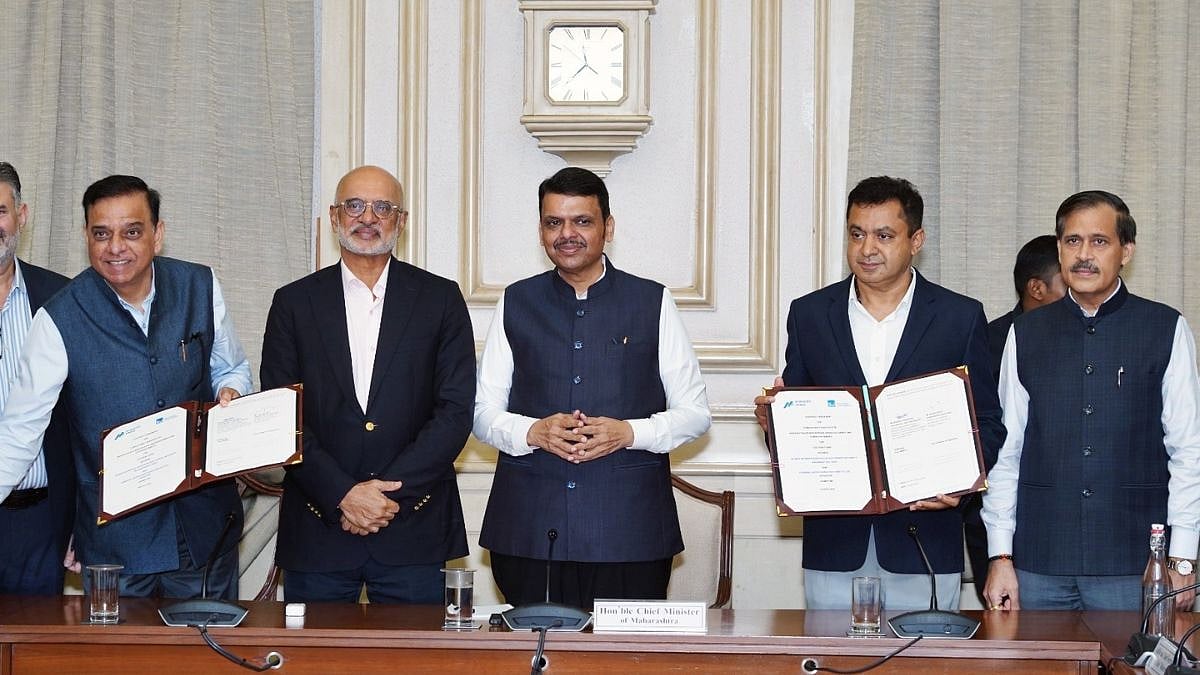
- The Mumbai Metropolitan Region Development Authority has signed an agreement with Surbana Jurong to shape Third Mumbai’s master plan.
- Expected investment
- Mapletree Investments is expected to bring more than $1.1 billion in foreign direct investment.
- Navi Mumbai airport impact
- The airport reportedly removed roughly 98 hectares, or 242 acres, of mangroves and levelled a 90-metre-high hill.
- Waterways affected
- The Ulwe River was diverted and the flow of the Gadhi River was modified during airport development.
- Airport Phase 1 cost
- Phase 1 of the Navi Mumbai airport cost Rs 19,650 crore in monetary terms, according to the article.
- Mangrove compensation plan
- The Brihanmumbai Municipal Corporation’s Versova-Bhayandar coastal road plan proposed replacing nearly 46,000 mangroves by planting them in Chandrapur, about 800 kilometres away.
Sources
Related news

127 Mumbai Architects Urge Government to Protect City's Open Spaces
MMRDA, Surbana Jurong Sign Pact to Plan Mumbai 3.0 Master Plan
MMRDA Plans Third Mumbai New City to Decongest Mumbai
Maharashtra Plans Rs 4,000-Crore Mumbai 3.0 New Town
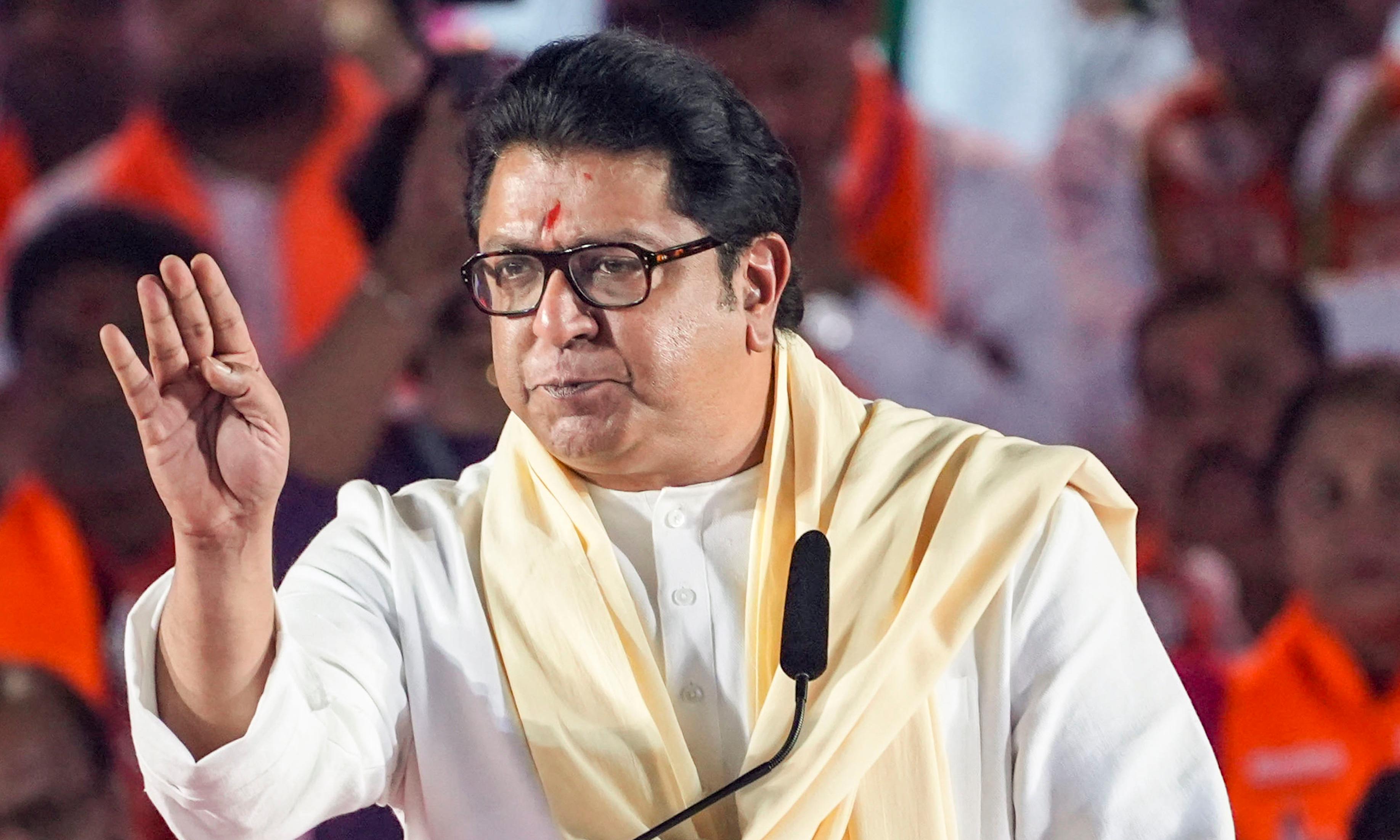
Raj Thackeray and Shinde Clash Over Third Mumbai Plans

Farmers Resist Third Mumbai Project Across 124 Raigad Villages