6 days ago
RBI Sets Record Dollar Purchase, Lifting India’s Forex Reserves

The Reserve Bank of India bought a record amount of U.S. dollars in July.
It bought $18.65 billion more than it sold.
Much of this money came through a special swap program involving banks and foreign-currency deposits.
Banks passed those dollars to the RBI through the swap window.
India’s foreign exchange reserves grew by nearly $26 billion during the month.
However, the rupee still lost 0.71% of its value against the dollar.
The RBI also held a very large number of future contracts that involve selling dollars later.
A bank treasury official warned that these borrowed dollars will eventually need to be repaid.

The Reserve Bank of India net purchased a record $18.65 billion in July, up from $561 million in June.
The purchases were driven largely by $40.82 billion raised through concessional swap facilities for FCNR(B) deposits and other borrowings.
India’s foreign exchange reserves rose nearly $26 billion in July to $692.87 billion.
The rupee depreciated 0.71% in July despite the RBI’s dollar buying.
The RBI’s net short dollar position in the forward market reached a record $136.77 billion by July-end.
- Who
- The Reserve Bank of India, Indian banks, and market dealers and treasury officials.
- What
- The RBI made a record net purchase of $18.65 billion in dollars in July, contributing to a sharp rise in foreign exchange reserves.
- Where
- India’s foreign exchange and currency markets.
- When
- In July, with the reported figures measured at the end of July; the article also cites reserve data for the week ended September 18.
- Why
- The purchases were largely driven by dollars raised through the RBI’s concessional swap facilities for FCNR(B) deposits and other foreign-currency borrowings.
Rationale for RBI intervention
Concerns about future dollar obligations
Why the RBI bought dollars
Rationale for RBI intervention
A state-owned bank dealer said the increase was largely driven by dollars mobilised through FCNR(B) and other concessional swap windows, which banks sold to the RBI.
Concerns about future dollar obligations
The article does not dispute the inflow-driven explanation but indicates that the purchases occurred alongside a record build-up in forward-market dollar obligations.
Forward-market positions
Rationale for RBI intervention
The RBI’s forward positions helped prevent borrowed dollar positions from maturing during a period of pressure on the rupee, according to a private bank treasury head.
Concerns about future dollar obligations
The treasury head warned that the dollars were borrowed and will eventually have to be repaid, while the RBI’s net short dollar position reached a record $136.77 billion.
Key facts
- July net dollar purchase
- $18.65 billion, the RBI’s highest-ever monthly net purchase
- June net dollar purchase
- $561 million
- Swap-facility inflows
- $40.82 billion by July-end
- Foreign exchange reserves
- $692.87 billion at the end of July, up from $666.93 billion at the end of June
- Rupee movement
- The rupee depreciated 0.71% in July
- Forward-market short position
- A record $136.77 billion at the end of July, up from $103.33 billion at the end of June
- August REER
- 88.92, compared with 88.69 in July
Quotes
A dealer at a state-owned bank
A dealer at a state-owned bank commenting on the drivers of the RBI’s July purchases.
“The rise in net purchase of dollars in July was largely driven by the dollars mobilised under the FCNR(B) and other concessional swap windows, which banks sold to the RBI”
 rediff.com
“They did not want these dollar positions to mature as that could have added to pressure on the rupee, particularly amid the ongoing geopolitical tensions.”
rediff.com
Sources
Related news

India Overtakes Russia After Record Forex Reserve Gain

India’s Forex Reserves Surge $44.9 Billion to Record High
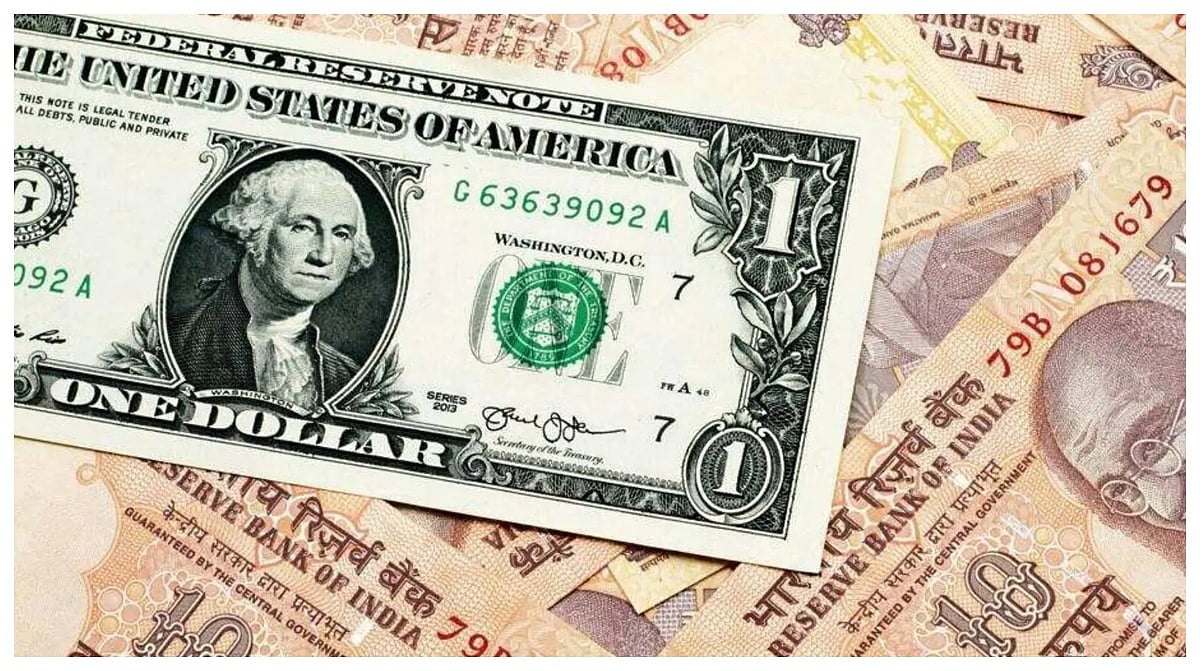
India’s Forex Reserves Reach Record After RBI-Driven Dollar Inflows

India’s Forex Reserves Suffer Record Drop as RBI Supports Rupee

India’s US Treasury Holdings Reach 10-Month High After July Surge

RBI Forex Swap Facility Attracts $143.6 Billion Inflows
Rupee Slumps 37 Paise to Two-Month Low Against Dollar
Rupee Falls 3 Paise as RBI Holds 96 Level
Rupee Falls 20 Paise Against Dollar Amid Oil, Outflows

Rupee Weakens as Oil Surges and Dollar Strengthens