

1 hr ago
Changing Lifestyles and Technology Reshape India's Future Homes
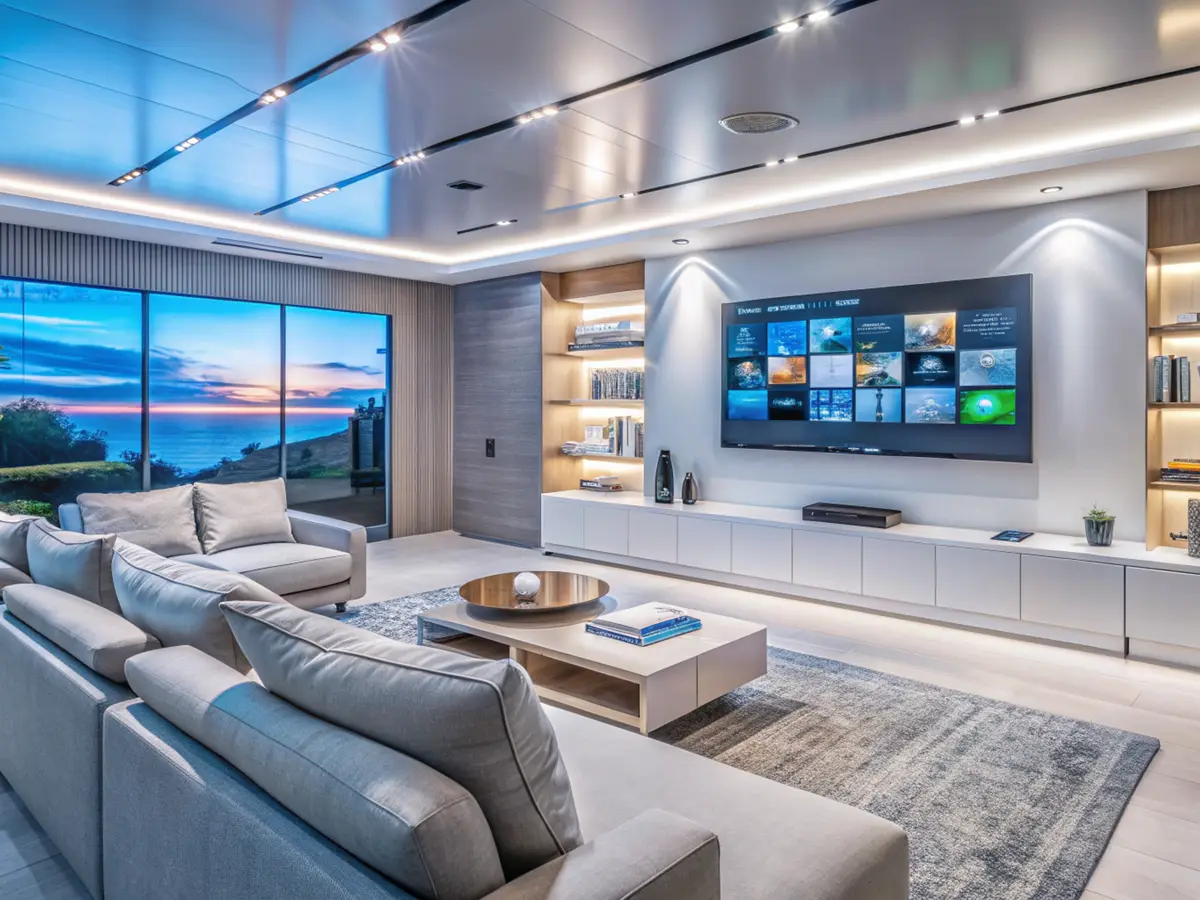
People are changing how they use their homes, and home design is changing too.
A room might be used for work in the morning and family time later.
New designs aim to make it easier for one space to serve different purposes.
Smart devices can adjust things like lights and temperature without residents having to manage every setting.
Some homes are also being designed to support health, with features such as better lighting and cleaner air.
Solar panels and other efficient systems can help homes use resources more carefully.
The article says technology should help quietly rather than take over the home.
The best homes, according to the industry representatives, will fit the people who live in them.

Hybrid and remote work are increasing demand for flexible layouts, quiet zones, and rooms that serve multiple purposes.
Designers are integrating smart-home systems and automation in ways intended to be intuitive and unobtrusive.
Wellness features discussed include circadian lighting, improved air filtration, natural light, and ventilation.
Solar panels, battery storage, efficient fixtures, and sustainable materials are becoming more prominent in residential design.
Industry representatives say homes will be valued for how well they adapt to residents, not simply for their size or technology.
- Who
- Indian homebuyers, developers, and architects; industry representatives quoted include Gaurav Mittal, Keshav Agarwal, Samujjal Ghosh, and Ramji Subramaniam.
- What
- Residential design is increasingly combining adaptable layouts, unobtrusive technology, wellness features, and sustainability.
- Where
- India, with Goa and urban Indian markets cited as examples.
- When
- The article describes current changes and expectations for future homes.
- Why
- Changing work and lifestyle patterns, along with demand for convenience, wellness, flexibility, and sustainability, are influencing what people expect from homes.
Key facts
- India smart-home market
- The article says it was valued at $6.71 billion and is projected to reach $24.1 billion by 2031.
- Hybrid-work design requests
- Gaurav Mittal says requests for acoustic partitions and dual-purpose rooms have risen roughly 30–40% year over year.
- Wellness real estate
- Mittal cites a market valuation of $876 billion and annual growth of roughly 15%.
- Home energy
- Mittal says homes with rooftop solar and battery storage can be nearly 60–75% self-sufficient during peak cooling months.
- Air filtration
- Mittal says hospital-grade filtration can cut indoor particulate levels by over 85%.
- Water use example
- Subramaniam says a centralised RO system at Rhythm Of Rain can reduce water wastage to around 30%, compared with nearly 70% from individual systems.
Quotes
Keshav Agarwal
Associate Director at Srijan Realty
“The most successful homes will not necessarily be the ones with the most technology, but those where technology works seamlessly in the background to make everyday living more comfortable, efficient, and human-centric.”
 wionews.com
“The future home is not defined by visible technology. It is defined by architecture that responds to how people live without asking them to manage it.”
wionews.com
Sources
Related news
Bengaluru Home Designers Prioritize Everyday Family Life

Chennai Luxury Housing Shifts Toward Wellness and Community Living
Luxury Showers Blend Spa Experiences With Smart Technology

Interior Design Skills Shift Toward Sustainable, Smart Homes
India’s Affluent Seniors Become a Major Real Estate Bet
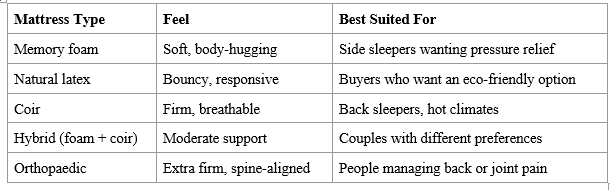
Lifestyle Shifts Reshape Indian Sofa and Mattress Preferences

Festive Sales Surge as EMIs Boost Big-Ticket Shopping

Amazon Festival Offers Six Microwaves and Air Fryers Under ₹10,000

AI Bubble May Deflate Slowly Rather Than Burst

Musk’s Grok Shopping Proposal Prompts Credit Card Security Concerns
