1 hr ago
India’s Affluent Seniors Become a Major Real Estate Bet
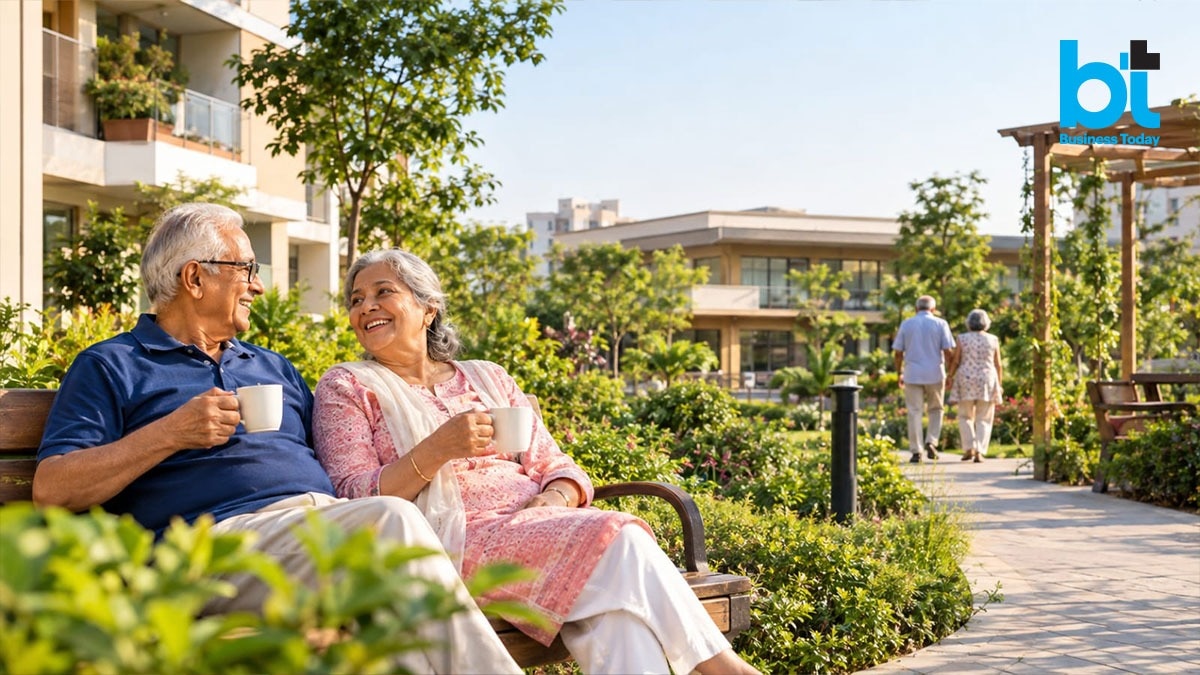
More older people in India are looking for homes designed for their later years.
These communities offer safe apartments, activities, healthcare links and opportunities to make friends.
Many seniors want companionship and freedom, not just someone to look after them.
Their adult children are also exploring these communities for their parents.
The market is growing quickly, but there are far fewer organised homes than people may need.
Some homes cost less than ₹1 crore, while luxury projects cost much more.
Developers are building in big cities and are starting to move into smaller towns.
Running these communities is expensive because they need caregivers, nurses, safety features and many services.
The industry says better policies, financing, insurance and trained workers are needed for the sector to expand.

India’s senior-living market is estimated at about ₹30,000 crore, with demand for 2–2.2 million units but organised supply of only about 25,000.
People aged 60 and above made up 10% of India’s population in 2023, a share projected to reach 20% by 2050.
More than ₹13,000 crore in investments announced since 2025 could add nearly 75,000 organised senior-living units within three to four years.
Most buyers seek homes priced at ₹1 crore or below, although the market ranges from ₹50 lakh communities to luxury units costing more than ₹10 crore.
The sector faces high operating costs, limited caregiving capacity, fragmented policy and a need for stronger long-term financing and insurance support.
- Who
- Affluent seniors, their families, senior-living developers and operators, investors, caregivers and policymakers.
- What
- India’s senior-living sector is expanding as developers respond to rising demand for housing, services and care for older people.
- Where
- Across India, including Delhi-NCR, Chennai, Gurugram, Hyderabad, Bengaluru and emerging Tier II and Tier III cities.
- When
- The article was published on September 27, 2026; projections discussed extend to 2030, 2036 and 2050.
- Why
- India’s ageing population, a large gap between demand and organised supply, and growing acceptance of senior living are attracting investment.
Growth and Expansion Case
Affordability and Operating Caution
Market opportunity
Growth and Expansion Case
Industry representatives see India’s ageing population, low penetration and large demand-supply gap as creating substantial room for organised senior-living operators.
Affordability and Operating Caution
The sector remains difficult to operate because care, healthcare, safety, staffing and community services create significant recurring costs.
Ownership versus leasing
Growth and Expansion Case
More than 60–70% of senior buyers currently choose outright ownership, reflecting continued demand for purchasing retirement homes.
Affordability and Operating Caution
Industry participants expect leasing and bundled care models to become more important as some seniors become reluctant to commit their retirement savings to another property.
Policy and access
Growth and Expansion Case
Government support, public-private partnerships, innovative finance and improved construction methods could expand supply and make senior living more accessible.
Affordability and Operating Caution
The policy framework is fragmented, while long-term institutional capital, rational taxation, insurance coverage and professionally trained caregivers remain insufficient.
Key facts
- Current market value
- About ₹30,000 crore, according to Colliers Research.
- Organised supply
- Approximately 25,000 senior-living units.
- Projected 2030 market
- More than ₹1 lakh crore, with demand of 2.8–3 million units.
- Population ageing
- People aged 60 and above represented 10% of India’s population in 2023 and are projected to represent 20% by 2050.
- Announced investment
- More than ₹13,000 crore since 2025, potentially supporting nearly 75,000 units.
- Typical service costs
- Independent-living services generally cost ₹15,000–₹30,000 per household monthly; assisted living often costs ₹40,000–₹60,000 or more.
- Current penetration
- India’s senior housing penetration is estimated at 1.3% of the addressable market, compared with 6–7% in the United States and 14–15% in New Zealand.
Quotes
Adarsh Narahari
Founder and Managing Director of Primus Senior Living and Marzi By Primus
“We have people who come from professional backgrounds, government and PSUs, the armed forces, as well as doctors and professors. There are also several residents from business backgrounds. Having lived a rich and fulfilling career, they opt for communities that give them the freedom of choosing activities they never got time to pursue in their working years.”
 businesstoday.in
“Seniors will require different levels of support at different stages of ageing—from independent living and preventive wellness to home care, assisted living, rehabilitation, dementia care and palliative care.”
businesstoday.in
Sources
Related news

Hyderabad’s Senior Living Market Faces Huge Supply Gap

India’s Senior Living Market Set to Quadruple by 2030

India Plans Expanded Elderly Care as Population Expected to Double
India’s Real Estate Sector Targets $1 Trillion By 2030

Indian Homebuyers Favor Affordable, Ready Homes in 2026