

1 day ago
Low Sugar Stocks Raise Prospect of Continued Export Ban
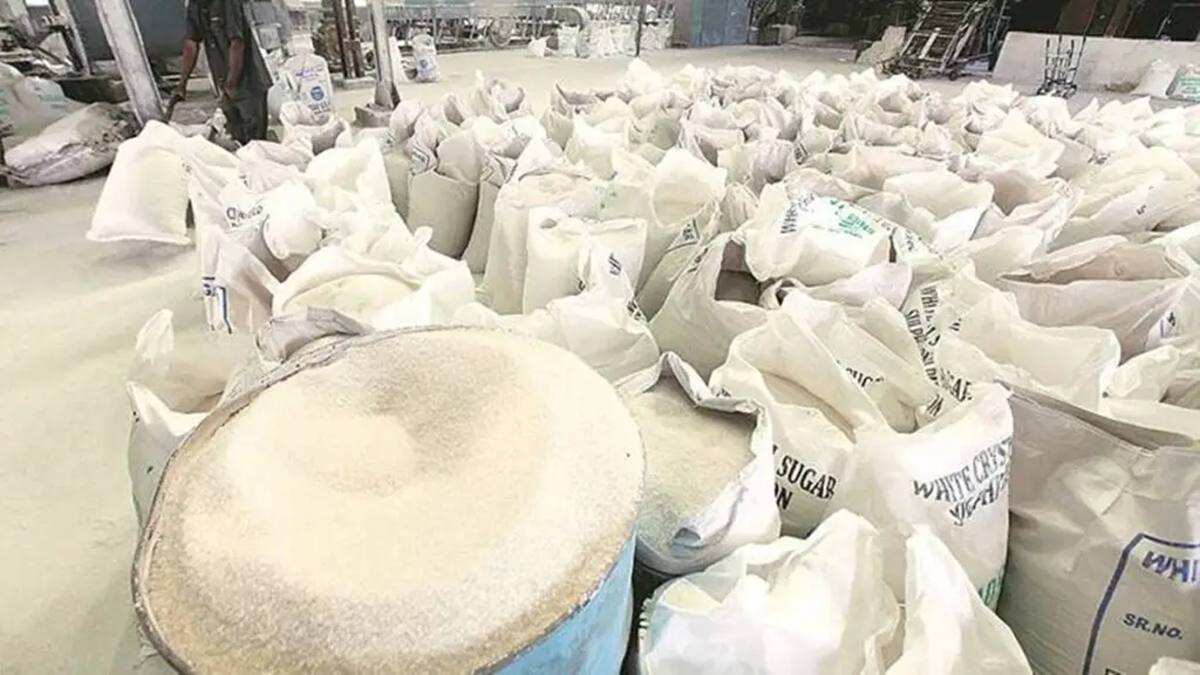
Sugar companies have less sugar stored than they have had in more than ten years.
This happened because sugar production fell while people used slightly more sugar.
The government had banned sugar exports to protect supplies at home, but that ban ended on Wednesday.
Officials may bring the ban back because stocks are low.
The government also allowed some raw sugar to be imported without duty.
It is checking whether businesses are storing too much sugar or people are hoarding it.
The government says using sugar to make ethanol was not the main reason for higher prices.
The sugar industry says speculation and lower production helped push prices up, but it says there is no actual shortage.

Sugar mills began the 2026-27 season with 3.75 million tonnes in stocks, the lowest level in over a decade.
Sugar production fell to about 28.1 million tonnes in 2025-26, while consumption rose to approximately 28.7 million tonnes.
The sugar export ban imposed in May expired on Wednesday, but industry sources expect it may be re-imposed.
The government allowed duty-free imports of 1 million tonnes of raw sugar and introduced measures against hoarding and excessive inventories.
Retail sugar prices were Rs 56.02 per kilogram on Wednesday, up 20% from a year earlier but down 12% month-on-month.
- Who
- Sugar mills, the Indian government, consumers, traders and the Indian Sugar and Bio-Energy Manufacturers Association are involved.
- What
- Low opening sugar stocks have increased the prospect of continuing or re-imposing a sugar export ban.
- Where
- India.
- When
- The new sugar season began in October 2026, and the export ban expired on Wednesday after being imposed in May 2026.
- Why
- Production declined because of weather-related damage, lower cane yields and lower recovery, while consumption and prices increased.
Government Position
Industry Position
Reasons for higher prices
Government Position
The government attributed the price increase to lower production caused by weather damage, festive-season demand, high global prices and hoarding.
Industry Position
The sugar industry attributed the increase to speculative buying by traders and bulk consumers, along with production being lower than expected.
Role of ethanol diversion
Government Position
The government said ethanol diversion was not responsible for the price increase, noting that the share of sugar diverted for ethanol fell from about 12% in 2022-23 to around 9% in 2025-26.
Industry Position
The articles do not report a separate industry position on ethanol diversion, but the industry cited lower production and weather-related factors as contributors to the situation.
Supply conditions
Government Position
The government introduced imports, anti-hoarding measures and inventory caps to increase supplies and control prices.
Industry Position
The sugar industry maintained that there is no sugar shortage despite the recent price spike.
Key facts
- Opening stocks
- 3.75 million tonnes at the start of the 2026-27 season.
- Previous opening stocks
- 5 million tonnes on October 1, 2025.
- 2025-26 production
- About 28.1 million tonnes, according to industry estimates.
- Consumption
- Approximately 28.7 million tonnes in 2025-26.
- Import measure
- The government permitted duty-free imports of 1 million tonnes of raw sugar.
- Retail price
- Rs 56.02 per kilogram on Wednesday; 20% higher year-over-year and 12% lower month-on-month.
- Revised production estimate
- ISMA revised gross production excluding ethanol diversion to about 30.9 million tonnes from 34.5 million tonnes.
Quotes
Government official note
An official government note addressing the relationship between ethanol production and sugar prices
“The share of sugar diverted for ethanol has declined from around 12% in 2022-23 to around 9% in 2025-26. Moreover, nearly three-fourths of the ethanol produced in the country now comes from grains, particularly maize.”
 financialexpress.com
Sources
Related news

India Orders Sugar Mills to Report Data, Stabilize Prices
Government Tightens Sugar Stock Rules Ahead of Festive Demand

India's Sugar Sector Faces a Testing 2026-27 Season
Sugar Industry Rejects Shortage Fears Ahead Of Festive Season
Sugar Prices Ease, But Retail Relief Lags Supply Chain

India Extends Sugar Import Quota Surrender Deadline Amid Price Rise

NSO Launches Survey of Private Corporate Capital Expenditure Plans

Frenchman Moves From Paris To Mumbai For New Job

Gandhi Jayanti 2026: Banks Closed, Digital Services Remain Available

How Sleeping Position Shapes the Right Pillow Choice

Digital Lenders Gain Ground as Younger Indians Seek Personal Loans
