2 hrs ago
Neelakurinji Blooms Return Across Munnar Hills After 12 Years
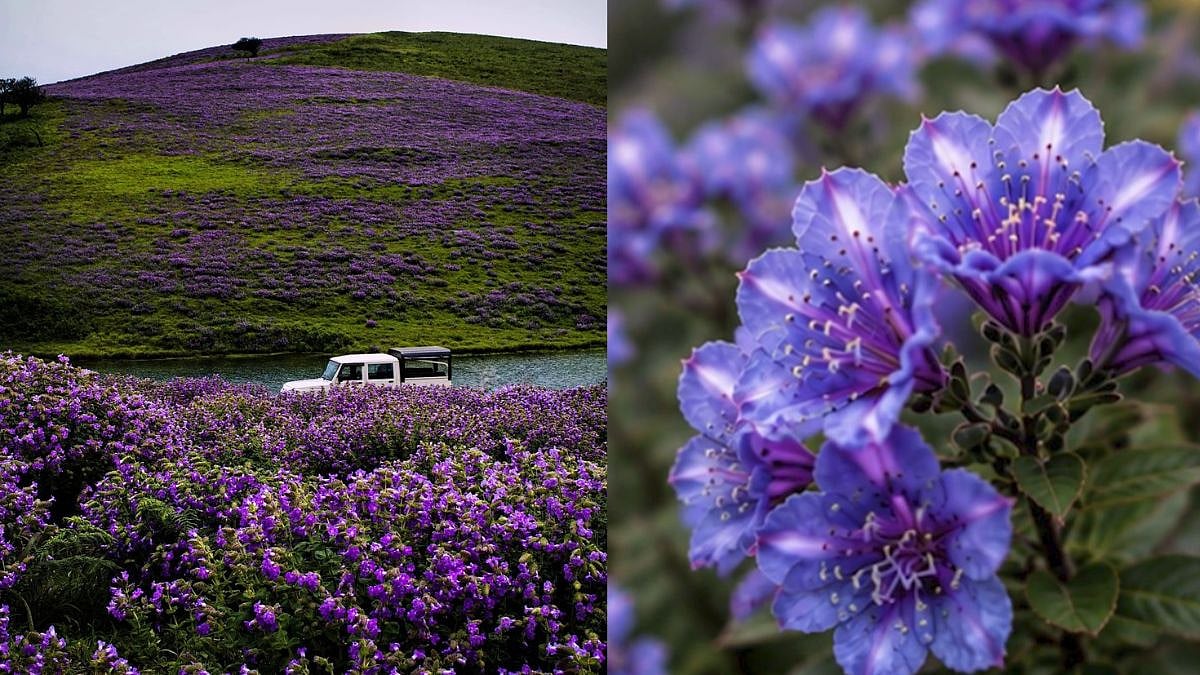
Neelakurinji is a small flowering plant found in the hills of southern India.
It usually grows quietly for many years.
About once every 12 years, many plants flower at the same time.
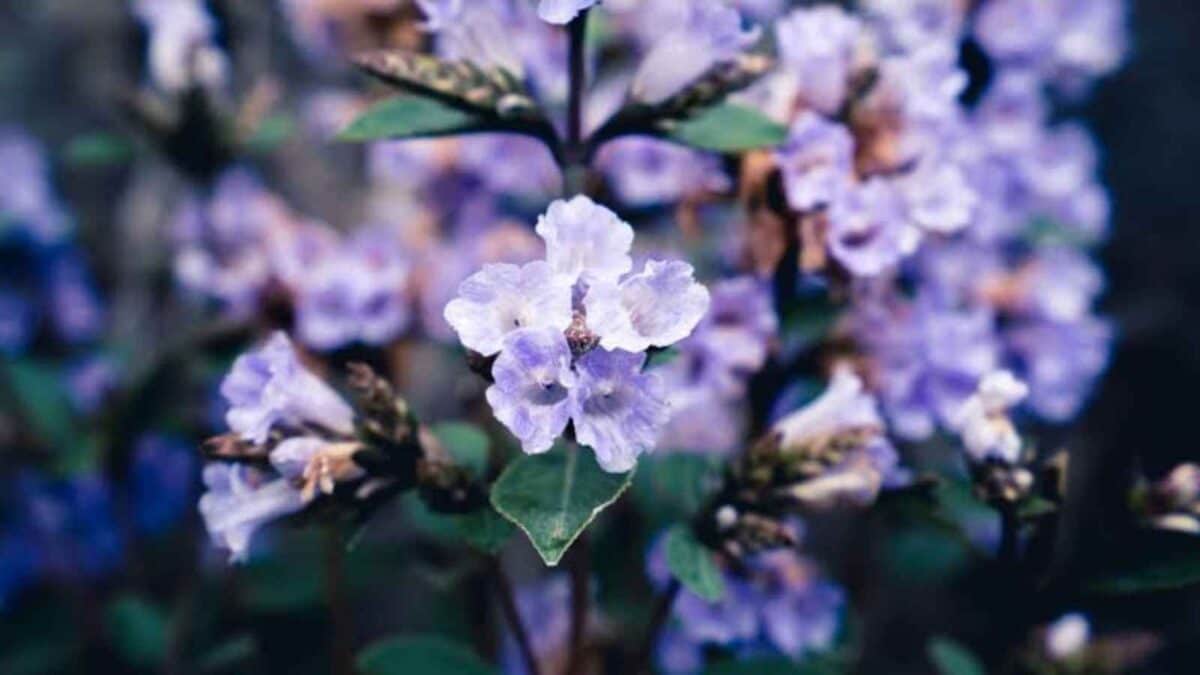
Their blue and purple flowers can cover whole hillsides.
This is happening again near Munnar in Kerala.
The flowers stay visible for only a few weeks.
Bees and other insects benefit from the bloom.
Visitors also come to see it, but the plants’ grassland habitat needs protection.

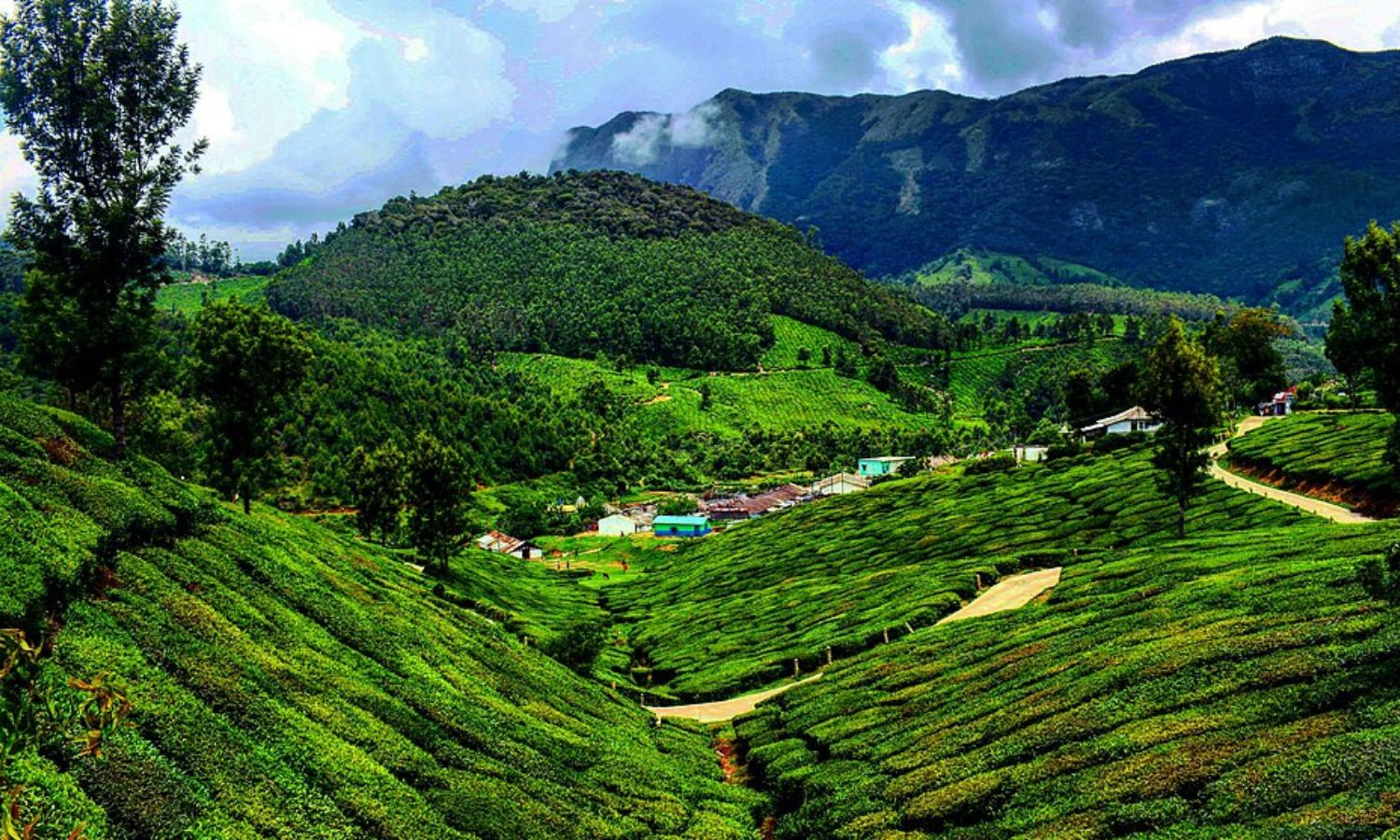
Rare Neelakurinji flowers are blooming across the Korandakadu hills near Mattupetty in Munnar, Kerala.
The bluish-purple shrub typically flowers synchronously about once every 12 years and lasts only a few weeks.
Strobilanthes kunthiana grows in high-altitude shola grasslands of the Western Ghats.
Major blooms were recorded in 2006 and 2018, with another bloom reported in parts of 2026.
The bloom supports pollinators and eco-tourism but faces threats from plantations, development and climate change.
- Who
- Neelakurinji plants, along with travellers, botanists and photographers observing the bloom.
- What
- A rare mass flowering has covered parts of Munnar’s hills in blue and purple flowers.
- Where
- The Korandakadu hills near Mattupetty in Munnar, Kerala, within the Western Ghats.
- When
- The current bloom is reported in 2026 and usually occurs around September and October.
- Why
- The plants flower together as part of a natural cycle, produce seeds and then wither.
Tourism and Public Interest
Habitat Protection
How the bloom should be approached
Tourism and Public Interest
The spectacle attracts travellers, botanists and photographers and boosts eco-tourism in Kerala.
Habitat Protection
The fragile shola-grassland habitat should be protected so future flowering cycles are not disrupted.
Development around the region
Tourism and Public Interest
The bloom has increased Munnar’s visibility as a destination, and authorities expect tourism to rise as flowering progresses.
Habitat Protection
Plantation expansion, urban development and climate change are placing pressure on the plants’ habitat.
Key facts
- Scientific name
- Strobilanthes kunthiana
- Flowering cycle
- Approximately once every 12 years
- Current location
- Korandakadu hills near Mattupetty, Munnar, Kerala
- Typical altitude
- 1,300 to 2,400 metres
- Recorded blooms
- 2006, 2018 and parts of 2026
- Bloom duration
- A few weeks
- Ecological role
- Provides food for bees, insects and other pollinators and supports grassland regeneration
- Main threats
- Plantation expansion, urban development and climate change
Sources
Related news
Munnar and India’s Top Neelakurinji Flower Destinations
Rare Neelakurinji Bloom in Nilgiris Brings Rs 25,000 Plucking Fine

Irulam Creates Giant Onam Pookkalam Honoring Beloved Wild Elephant

Thrissur Community Builds Giant Flower Carpet Every Onam

Kaas Plateau May Reopen September 1 With Visitor Guidelines

Five Indian Monsoon Escapes for Nature, Craft and Slow Travel

Indians Choose Monsoon Getaways and Short-Haul Trips for Long Weekends

Onam 2026: Atham Begins August 16, Thiruvonam Marks Ten-Day Festival