

2 hrs ago
Meta AI Glasses Boom Despite Privacy Backlash and Restrictions

Meta makes glasses that look fairly normal but include cameras, microphones, speakers, and artificial intelligence.
Many people are buying them even though some people worry about privacy.
Counterpoint Research says Meta made up 94% of display-less AI glasses shipments in the first half of 2026.
The overall market grew very quickly during that period.
Meta helped sales by offering different models, lower prices, promotions, and celebrity collaborations.
Kylie Jenner and Lisa from BLACKPINK have promoted special versions of the glasses.
Meta added a brighter light that blinks when camera-equipped glasses are recording.
It also introduced glasses without cameras, although people may still worry about being recorded by microphones.
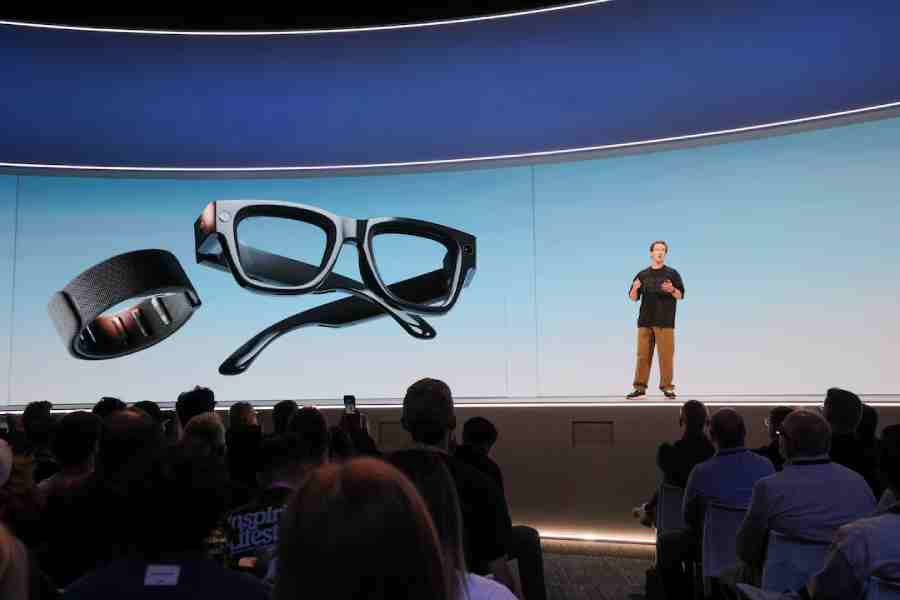
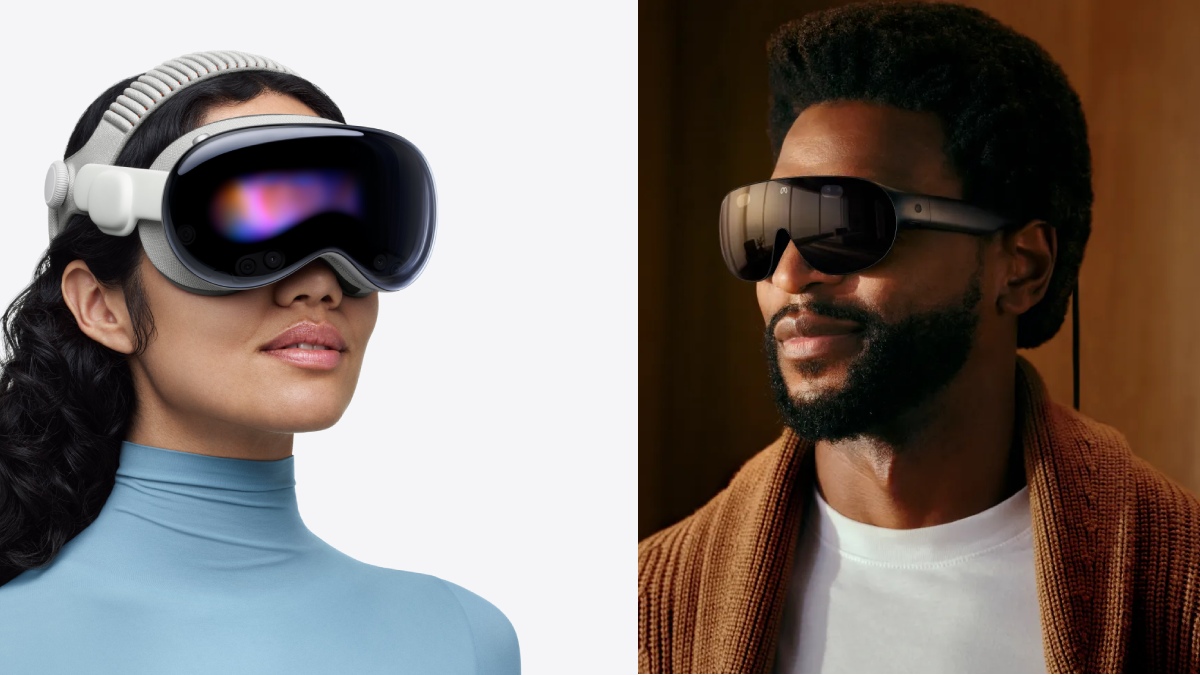
Meta is also developing more advanced virtual-reality glasses that are expected to launch in spring 2027.

Global AI glasses shipments rose 263% year-on-year in the first half of 2026, according to Counterpoint Research.
Meta accounted for 94% of display-less AI glasses shipments, with its shipments rising 260% from the previous year.
Growth was supported by new Ray-Ban Meta variants, lower-priced models, expanded markets, retail promotions, and influencer partnerships.
Privacy concerns remain a major challenge because camera-equipped glasses can record people who may not realize they are being filmed.
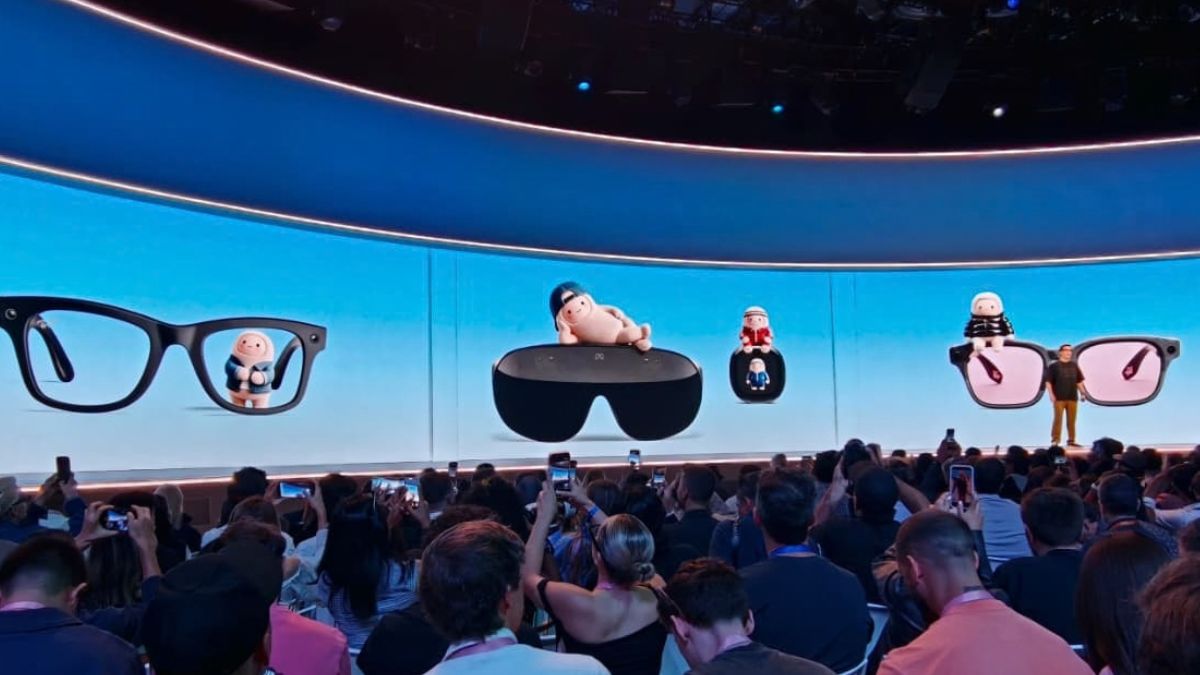
Meta introduced microphone-only glasses, a brighter recording indicator, and lightweight Meta VR glasses priced at $1,299.99 for a planned spring 2027 launch.
- Who
- Meta, led by Mark Zuckerberg, is the dominant company in the display-less AI glasses market, while Counterpoint Research provided the market data.
- What
- Meta’s AI glasses sales and market share have surged despite privacy criticism, restrictions, and bans in some locations.
- Where
- The sales data covers the global market; China accounted for 45% of AR-plus-AI glasses shipments, compared with about 41% for North America.
- When
- The market figures cover the first half of 2026; Meta’s new products were announced at Meta Connect 2026, and its VR glasses are scheduled for spring 2027.
- Why
- Sales were driven by new variants, lower prices, market expansion, retail promotions, and influencer marketing, while privacy remains a significant industry concern.
Privacy Critics and Skeptics
Meta and Market Growth Evidence
Recording and consent
Privacy Critics and Skeptics
Cameras may record people nearby without their knowledge, and microphone-only glasses still raise concerns about secret audio recording.
Meta and Market Growth Evidence
Meta added a more prominent blinking capture light to camera-equipped glasses and introduced glasses without cameras.
Impact of restrictions
Privacy Critics and Skeptics
Privacy concerns have led to criticism, bans, and restrictions in some courtrooms, businesses, and government organizations.
Meta and Market Growth Evidence
Despite those restrictions, Meta’s shipments increased 260% year-on-year and the company retained 94% of the display-less market.
Future of the technology
Privacy Critics and Skeptics
AR-plus-AI glasses remain expensive, bulky, and less mature, limiting their appeal compared with simpler display-less glasses.
Meta and Market Growth Evidence
Meta is attempting to make advanced virtual-reality technology look more like ordinary glasses, while Chinese companies are expanding the AR-plus-AI segment.
Key facts
- Global AI glasses growth
- Shipments increased 263% year-on-year in the first half of 2026.
- Meta market share
- Meta accounted for 94% of global display-less AI glasses shipments.
- Meta shipment growth
- Meta’s shipments rose 260% compared with the previous year.
- Display-less market share
- Display-less glasses represented 96% of all AI glasses shipments in the first half of 2026.
- Meta glasses price range
- The current lineup ranges from $249 to $579 in the United States.
- Meta VR glasses
- The glasses are priced at $1,299.99 and are scheduled for spring 2027.
- AR-plus-AI regional split
- China accounted for 45% of shipments, while North America accounted for roughly 41%.
Quotes
Peter Richardson
Counterpoint Research vice president
“Three years after the launch of the Ray-Ban Meta AI Glasses in 2023, the competitive landscape of the global AI glasses market remains largely unchanged. Meta further strengthened its dominance in H1 2026.”
 NDTV
NDTV
Flora Tang
Counterpoint Research principal analyst
“At this early stage, the competitive landscape is shaped more by product supply than consumer demand. China has established a relatively mature AR glasses ecosystem, spanning micro-display makers, waveguide suppliers - one of the most critical components - to manufacturing partners, audio component suppliers and other key component providers.”
NDTV
Sources
Related news
Meta Launches Camera-Free Ray-Ban Audio Glasses Amid Privacy Backlash
Meta expected to unveil camera-free smart glasses amid privacy concerns

Meta Unveils AI Ambitions Amid Smart Glasses Privacy Pushback

Meta Reportedly Prepares Camera-Free Luna Glasses Amid Privacy Scrutiny

Meta Unveils VR Glasses, Camera-Free Audio Glasses and Muse AI
Meta Unveils Muse AI, VR and Audio Glasses

Meta AI Surge Briefly Lifts Zuckerberg Above Google Co-Founder
Meta’s $1,299 VR Glasses Challenge Apple Vision Pro

Meta Muse AI Upgrade Adds Avatars, Glasses And Controls
