2 days ago
Demographic Change Makes Traditional Knowledge an Economic Priority
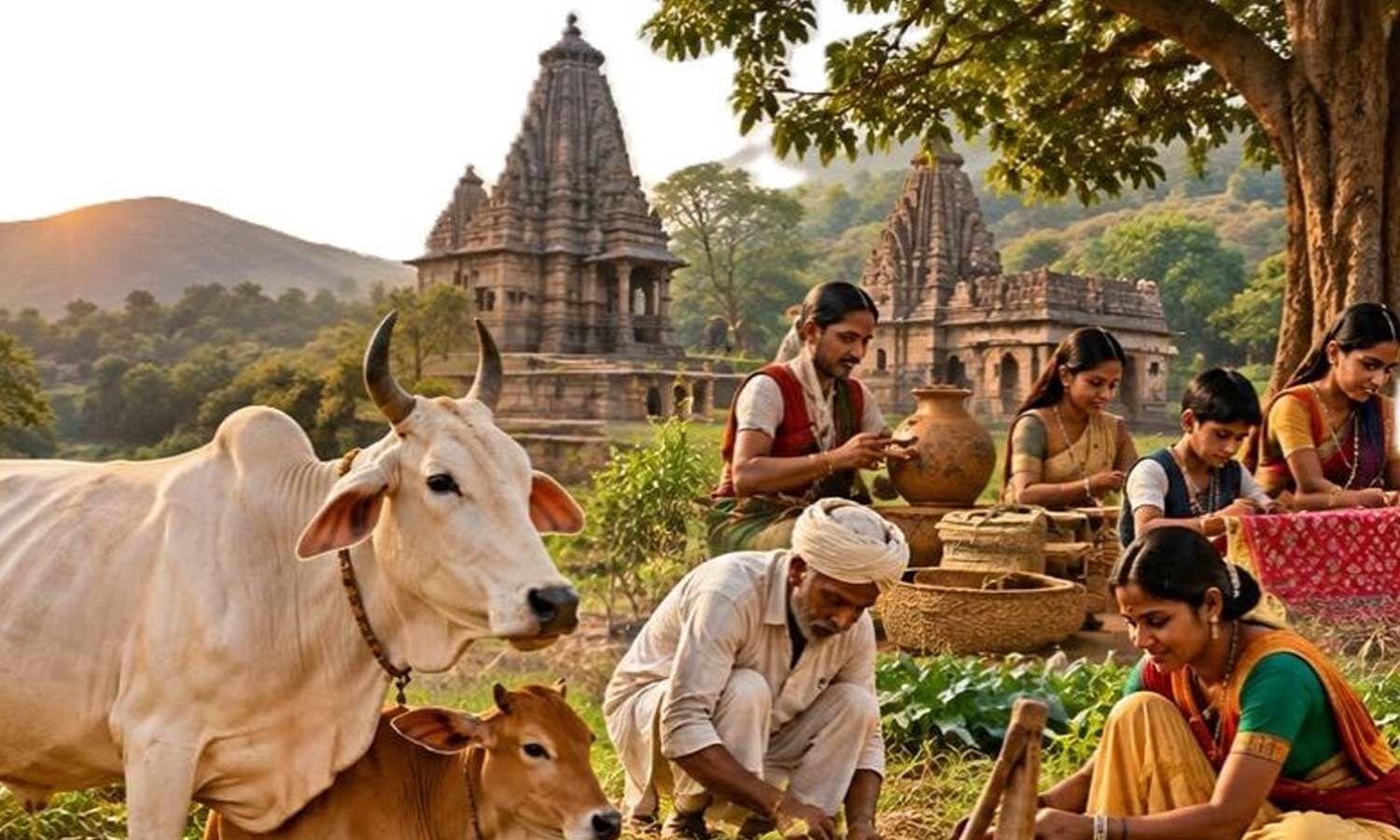
The creative economy includes things people make or do using ideas, skills and culture.
The article says many of Bharat’s creative ideas come from knowledge that communities have passed down for generations.
Young people may move away from traditional jobs and communities, making that knowledge harder to pass on.
The share of people aged 15–29 is expected to shrink, even though their number will remain large.
Changes in the cattle economy are one example of traditional practices changing.
The article says traditional knowledge can inspire new products, businesses and learning experiences.
Technology and research can help record and share this knowledge.
The goal is to let traditions change and grow without losing their connection to the communities that created them.

The article argues that traditional knowledge is an important foundation of Bharat’s creative economy.
Bharat had an estimated 371.4 million people aged 15–29 in 2021; their share is projected to fall to 22.7% by 2036.
Migration, urbanisation, occupational shifts and changing cultural practices can disrupt how communities pass knowledge between generations.
Census figures show changes in reported religious affiliation but do not establish how many people converted or explain the causes of demographic change.
The article calls for technology, research, design and intellectual-property protections to help traditional knowledge remain in use and support new enterprises.
- Who
- Communities, artisans, farmers and younger generations in Bharat; the article is written by an unnamed creative economy expert.
- What
- The article argues that demographic change affects the transmission of traditional knowledge and that preserving this knowledge can support the creative economy.
- Where
- Bharat (India).
- When
- It cites demographic and livestock data from 2011, 2012, 2019 and 2021, with youth-population projections for 2031 and 2036.
- Why
- Traditional knowledge contributes to creative products and services, but migration and social and economic change may weaken its transmission between generations.
Key facts
- Global creative-services exports
- UN Trade and Development estimates they reached US$1.7 trillion in 2024.
- Bharat creative-services exports
- Approximately US$102 billion, according to the article.
- Youth population
- An estimated 371.4 million people aged 15–29 in 2021, or 27.2% of the population.
- Projected youth share
- 24.1% in 2031 and 22.7% in 2036.
- Total cattle
- Rose from 190.90 million in 2012 to 193.46 million in 2019.
- Indigenous and non-descript cattle
- Declined from 151.17 million in 2012 to 142.11 million in 2019.
- Exotic and crossbred cattle
- Increased from 39.73 million in 2012 to 51.36 million in 2019.
- Census caveat
- Religious-affiliation figures record reported affiliation and do not separately quantify conversions or establish the causes of demographic change.
Sources
Related news
Bilimoria Says India's Diversity and Creative Economy Offer Global Advantage
BRICS Urged to Build Traditional Knowledge Alliance Beyond De-dollarisation

Sikkim Proposed as Model for Himalayan Creative Economy
Nearly 44% of World’s Languages Face Extinction, Threatening Cultural Knowledge
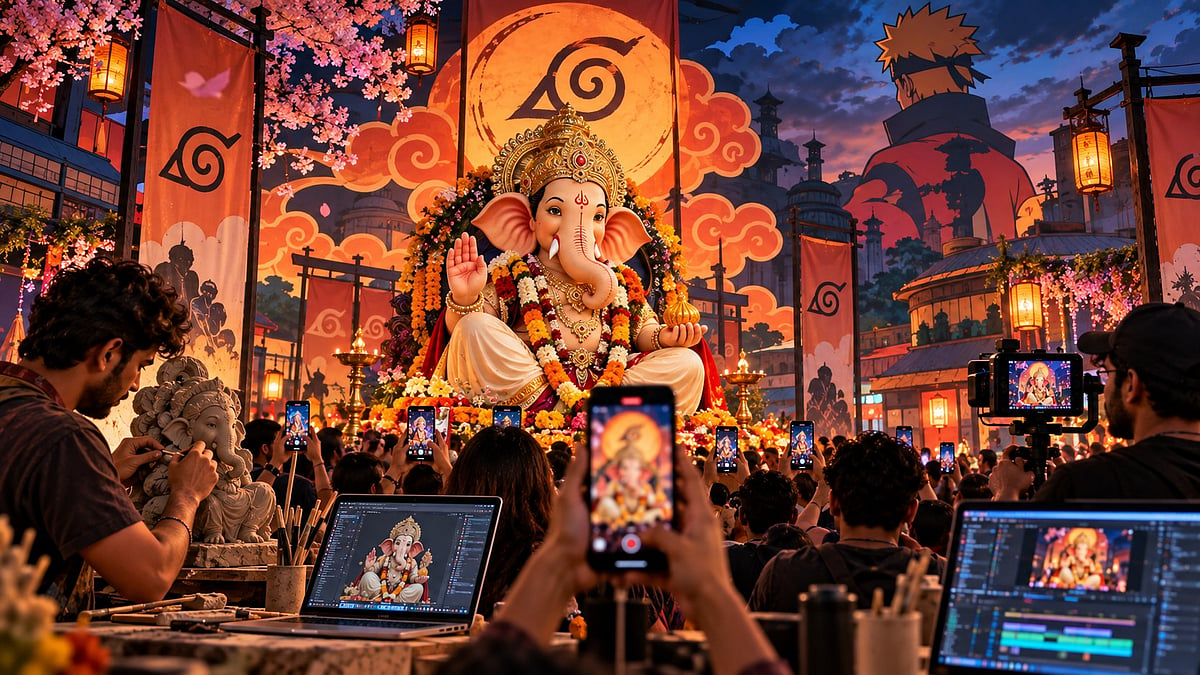
Ganeshotsav’s Creative Economy Blends Tradition, AI And Social Media
UPSC GS1 Practice Explores Demography and Thirukkural’s Significance

Seven Candidates Vie to Replace Guterres as UN Chief
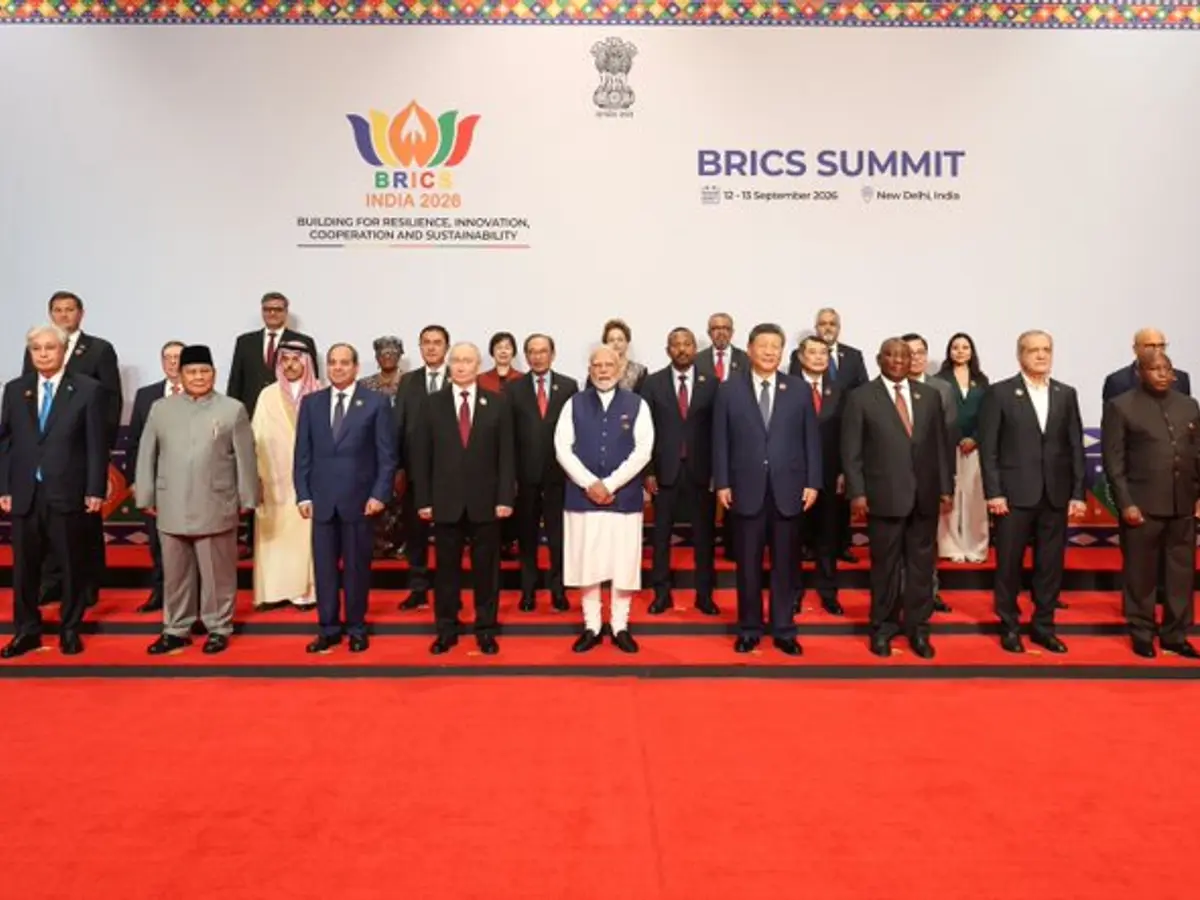
BRICS Shows Economic Clout but Needs Platforms for Action
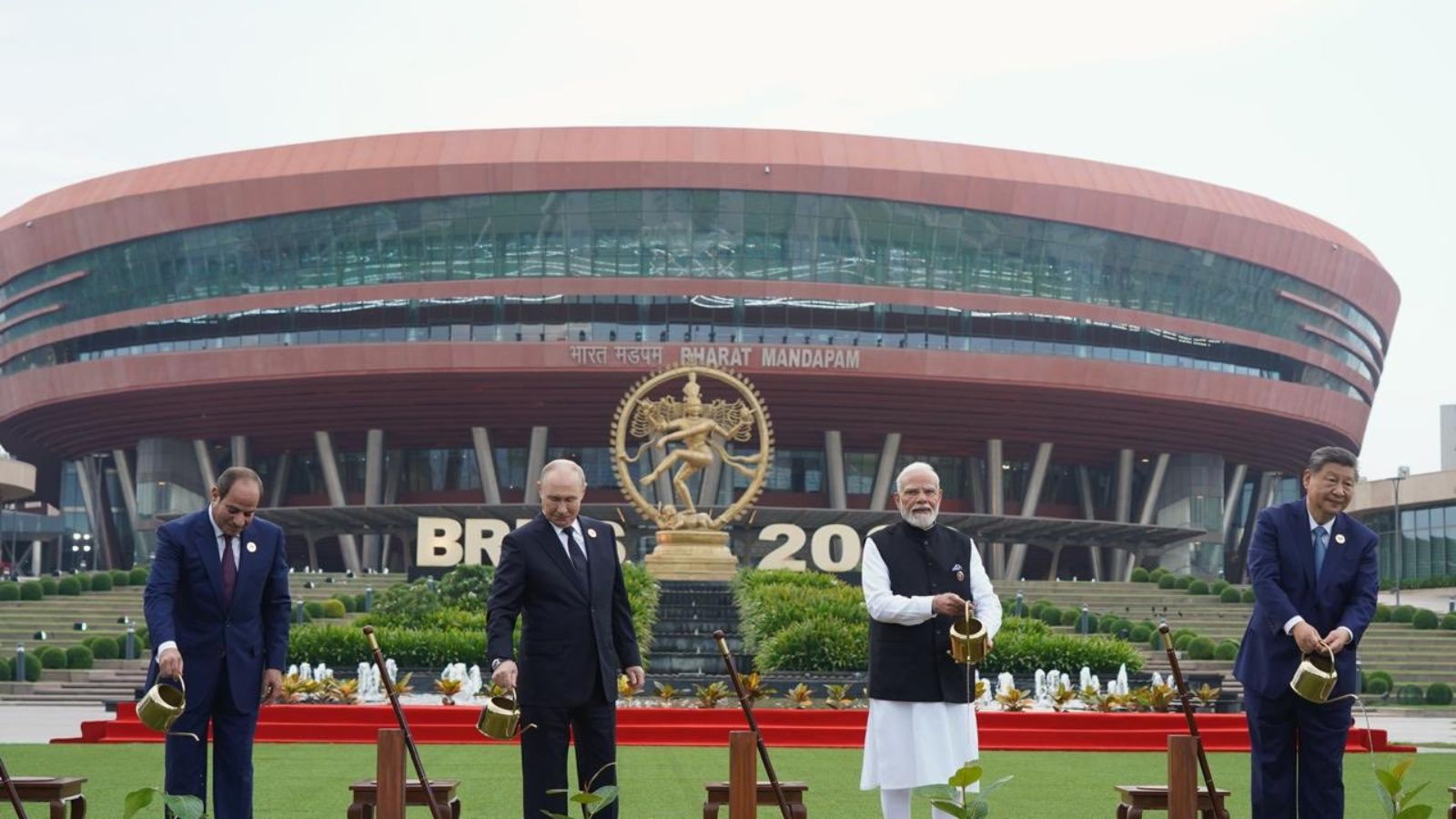
BRICS Plans New Policy Levers to Expand Intra-Bloc Trade

Intra-BRICS Trade Hits $1.17 Trillion, Faces Growth Tests