3 weeks ago
BRICS Shows Economic Clout but Needs Platforms for Action
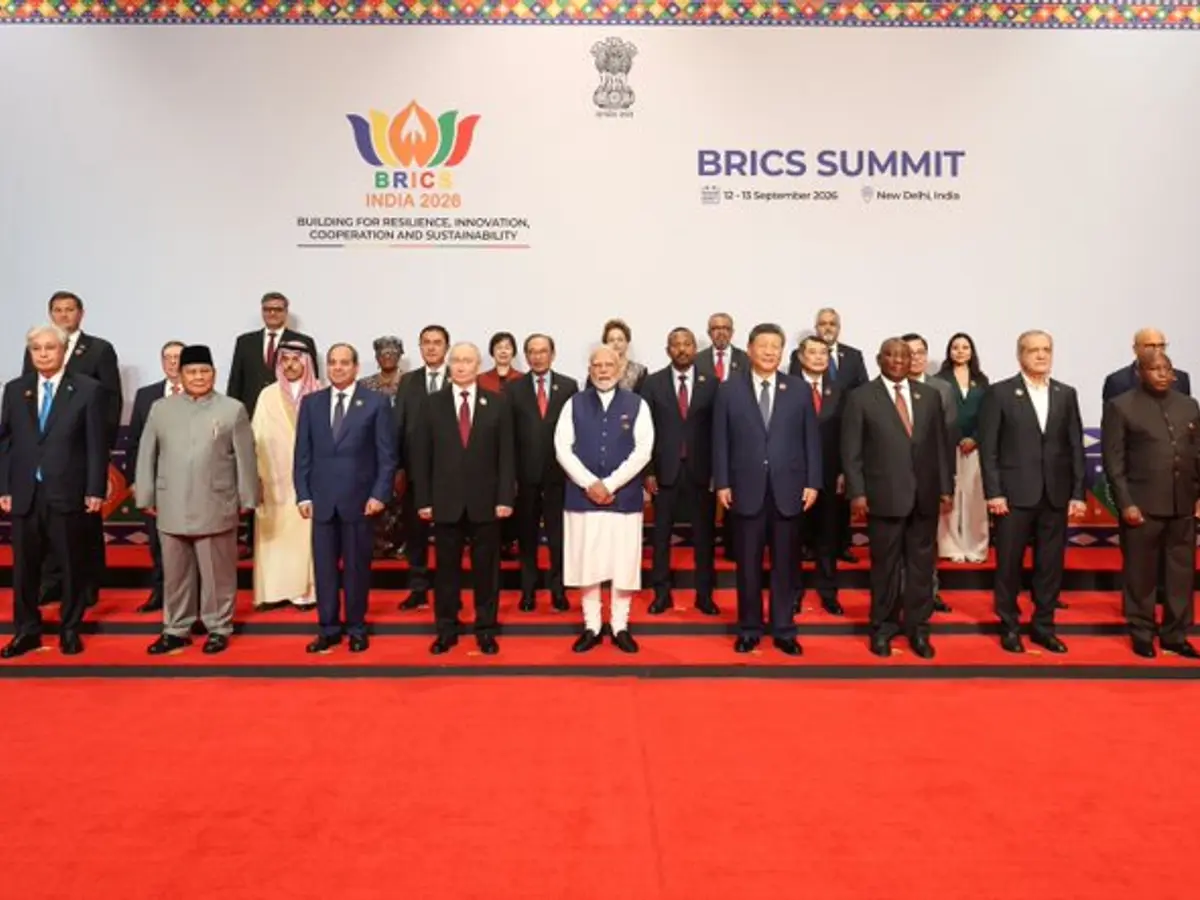
BRICS is a group of countries that want to work more closely together.
At a meeting in New Delhi, the group discussed trade, technology, energy, health and education.
These countries together represent about 40% of the world’s economy.
The article says this gives BRICS considerable power.
However, the group has not yet created a strong system for businesses to find partners and trade opportunities.
Such a system could help countries cooperate on factories, services and new technologies.
The group also wants to use local currencies more often instead of relying so heavily on the US dollar.
The article says this plan will work only if the countries build strong economic relationships based on useful goods, services and technology.
It sees US tariff threats as a possible reason for emerging economies to cooperate more closely.

The New Delhi declaration highlights BRICS economies’ growing economic weight and cooperation across trade, technology, energy, health and education.
BRICS countries account for about 40% of global GDP, according to the summit discussion.
The group could expand South-South cooperation through joint ventures, manufacturing partnerships and service-delivery mechanisms.
The analysis argues BRICS lacks a large-scale platform to help businesses discover trade opportunities, prices and partners.
Plans to increase local-currency trade and reduce dollar dominance face challenges because currencies depend on underlying economic value and deliverable goods and services.
- Who
- BRICS—Brazil, Russia, India, China and South Africa—and other economies of the Global South.
- What
- The BRICS summit adopted a New Delhi declaration outlining cooperation in trade, technology, economic ventures and several development sectors.
- Where
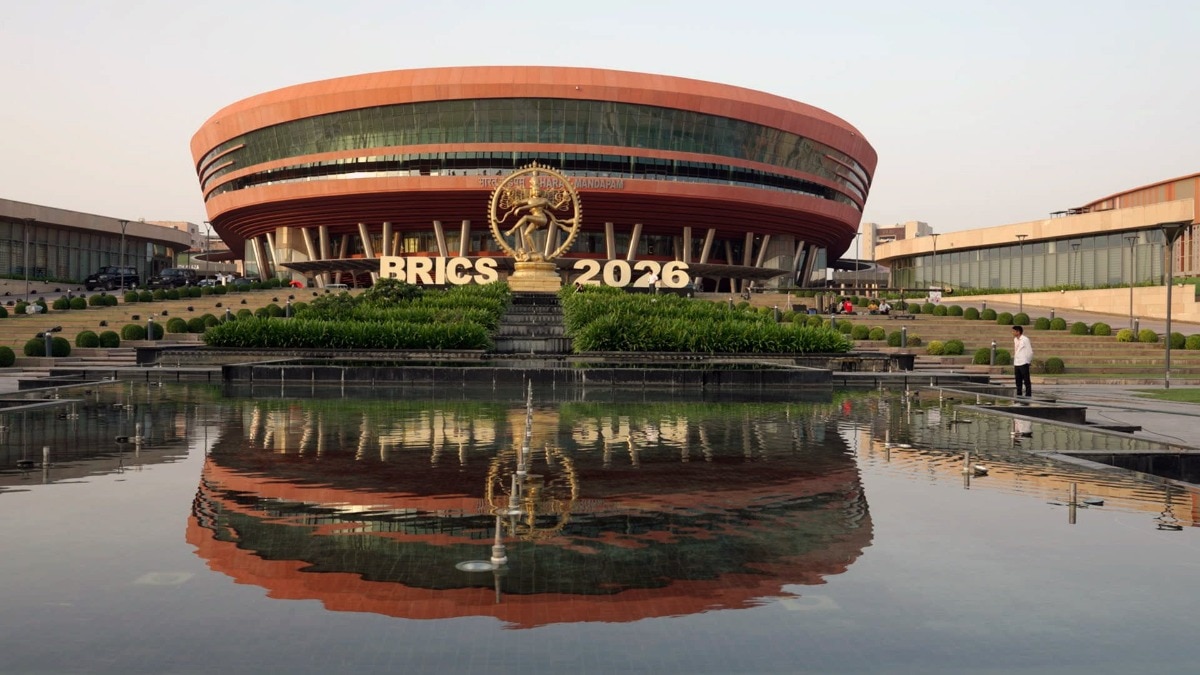
- At Bharat Mandapam in New Delhi, India.
- When
- The declaration was sealed at the weekend, according to the article.
- Why
- The group aims to strengthen economic cooperation, reduce inequalities and increase the influence of emerging economies, but the article says it needs platforms to turn its potential into practical trade.
BRICS Potential
BRICS Constraints
Economic influence
BRICS Potential
BRICS’ economic size, new members or allies in the Global South, and strengths in areas such as pharmaceuticals, artificial intelligence and robotics could support greater collective clout.
BRICS Constraints
The article says the group remains cautious, relies too much on traditional multilateral language and has not yet shown how it will use its economic power practically.
Trade cooperation
BRICS Potential
Joint ventures, manufacturing collaborations, service mechanisms and a digital opportunity-discovery platform could significantly expand trade among BRICS economies.
BRICS Constraints
No large-scale platform currently exists to connect businesses, compare opportunities or support price discovery across the group.
Reducing dollar reliance
BRICS Potential
More efficient cross-border payments using local currencies could lessen dependence on the US dollar and encourage cooperation among emerging economies.
BRICS Constraints
The article argues that currencies reflect underlying economic value, so local-currency trade requires stronger sectors and hard deliverables rather than declarations alone.
Key facts
- Group
- BRICS consists of Brazil, Russia, India, China and South Africa.
- Declaration
- The New Delhi declaration is described as a 45-page, 140-paragraph consensus document of more than 10,000 words.
- Economic weight
- BRICS economies account for about 40% of global GDP.
- Proposed cooperation
- Areas include trade, technology, joint ventures, manufacturing, services, energy, education, health, digital economy and sustainability.
- Main gap
- The article identifies the absence of a large-scale platform for discovering business opportunities, prices and partners.
- Currency objective
- The declaration supports efficient cross-border payment mechanisms with emphasis on local currencies.
- Examples cited
- The article points to affordable pharmaceuticals in India and artificial-intelligence and robotics initiatives such as China’s DeepSeek.
Quotes
BRICS declaration
An official consensus principle stated in the New Delhi BRICS declaration
“Differences should not become disputes”
 wionews.com
Sources
Related news
BRICS Declaration Seeks Economic Leverage Beyond Dollar Dependence

BRICS Summit Tests India’s Push for Practical Cooperation
BRICS Pushes Global Economic Governance Reform Through Deeper Integration

BRICS Summit Seeks Cooperation Despite China’s Growing Influence and Divisions
BRICS Declaration Flags Trade Barriers Amid Global Economic Tensions
BRICS Offers India a Bridge Across the Global South

Taiwan Has No Notice of Smaller US Arms Sale Batches
Unilateralism Challenges the Postwar Order, India Urged to Respond

US Seeks to Revoke Citizenship of 40 Naturalised Americans

US Gold Exports Surge as China Expands Yuan-Gold Trade
Saudi Aramco Cuts Asian Oil Prices Amid Soaring Shipping Costs