

1 hr ago
Wildlife Populations Fall 73%, but Recovery Remains Possible

A WWF report says many wildlife populations have become much smaller since 1970.
It describes the situation as a serious crisis.
But the report also says about half of the populations it tracks are stable or growing.
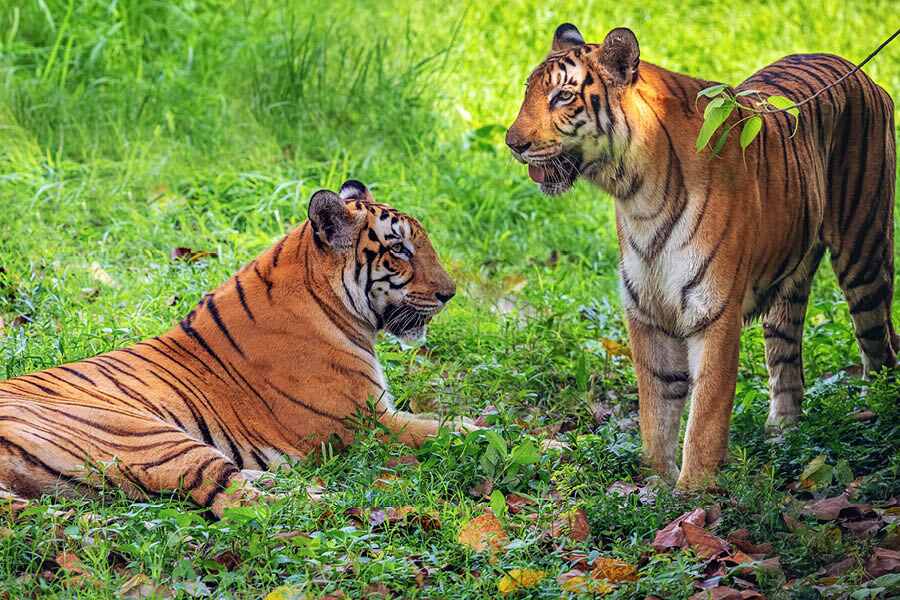
Wild tiger numbers increased from around 3,200 in 2010 to about 5,700 in 2025.
Atlantic and Pacific bluefin tuna have also recovered enough that they are no longer considered threatened.
In many places, southern African elephant populations are stable or growing where local communities help manage the land.
In 2025, the green sea turtle was moved from Endangered to Least Concern.
These examples show that wildlife declines can be reversed.

A WWF report says wildlife populations in its index have declined 73% since 1970.
The report says roughly half of the populations in the index are stable or increasing.
Wild tiger numbers rose from about 3,200 in 2010 to roughly 5,700 by 2025.
Atlantic and Pacific bluefin tuna have recovered and are no longer considered threatened, according to the report.
The report cites stable or growing southern African elephant populations and the green sea turtle’s 2025 downlisting to Least Concern.
- Who
- Wildlife populations tracked in a WWF report, including tigers, bluefin tuna, southern African elephants, and green sea turtles.
- What
- The report describes a 73% decline in wildlife populations since 1970 while highlighting examples of recovery.
- Where
- The report discusses wildlife populations globally, with a specific example from southern Africa.
- When
- The decline is measured since 1970; examples include tiger estimates for 2010 and 2025 and the green sea turtle’s 2025 downlisting.
- Why
- The report says declines are not inevitable and points to conservation and local community management as signs of hope.
Key facts
- Reported decline
- 73% since 1970
- Populations stable or increasing
- Around half of the populations in the index
- Wild tiger population
- About 3,200 in 2010; roughly 5,700 by 2025
- Tuna status
- Atlantic and Pacific bluefin tuna are described as recovered and no longer considered threatened
- Green sea turtle
- Downlisted from Endangered to Least Concern in 2025
- Nesting countries cited
- More than 80
- Report framing
- The Science of Hope
Quotes
WWF report
The report cited in the article, which examines wildlife population trends.
“Southern African elephants are stable or growing in many of the places where local communities lead the management of the land they share with them. In 2025, the green sea turtle became the first marine turtle ever to be downlisted from Endangered to Least Concern, after 50 years of work across more than 80 nesting countries.”
 timesnownews.com
“In 2010, only around 3,200 wild tigers remained, and the species seemed to be sliding toward extinction. By 2025, the population had grown to roughly 5,700, an increase of more than 70%.”
timesnownews.com
Sources
Related news
India Stands Out as Wildlife Declines Sharply Worldwide

India Expands Conservation Network Amid Concerns Over Habitat Protection

Wild Cat, Penguin and Snake Among Newly Discovered Species

Assam Reports 3,260 Rhinos and Zero Poaching in 2025
Project Cheetah Reaches 52 Survivors, Including 32 Born in India
