

1 hr ago
Paid Political Reels Expose Influencer Collabs Behind Election Campaigns

Political parties sometimes pay social-media creators to make videos that support a party or government programme.
These videos can look like ordinary reels instead of advertisements.
Agencies and middlemen often connect the parties with creators.
Some creators receive scripts, while others can write in their own style.
Payments reportedly range from a few thousand rupees to much larger amounts.
The Bharatiya Janata Party listed some influencer payments in its election expenses.
Other parties denied commercial exchanges, although creators said they too had been approached.
Supporters of the practice say creators may accept political work if the content is not harmful.
Critics worry that hidden payments make audiences lose trust.

The Bharatiya Janata Party’s disclosed payments to influencers have highlighted an allegedly widespread practice of political parties commissioning unlabelled social-media content.
Influencers told My Kolkata that agencies and intermediaries distribute briefs, scripts and Google forms for political and government-promotional reels.
Reported payments ranged from about Rs 5,000 per reel for a World Yoga Day campaign to as much as Rs 80,000 during the 2026 Bengal Assembly election period.
The Bharatiya Janata Party declared influencer payments in its election expenses, while major parties had previously denied commercial exchanges or outside recruitment.
Critics say undisclosed political promotions can damage audience trust because viewers may struggle to distinguish paid content from authentic storytelling.
- Who
- Political parties, influencer agencies, intermediaries and social-media content creators, including Sayak Chakraborty, are involved.
- What
- Influencers are being approached and paid to create political or government-promotional reels, often without clearly labelling them as paid content.
- Where
- The activity was reported in Bengal, particularly Kolkata, and through agencies operating across India.
- When
- The practice was reported as having grown since around 2021; the article discusses the 2026 Bengal Assembly election period and payments disclosed in September.
- Why
- Political parties seek social-media reach, while influencers are paid for promotional content and may be easier to work with than critical journalists.
Transparency Critics
Influencer Defenders
Undisclosed political advertising
Transparency Critics
Critics argue that viewers should be told when a reel is paid political content, because hidden sponsorship makes it difficult to distinguish promotion from genuine opinion.
Influencer Defenders
Some creators say they do not object to making political reels when they are paid and the content is not harmful.
Impact on audience trust
Transparency Critics
Critics warn that exposés can damage the trust creators have built with their communities and make audiences doubt their recommendations.
Influencer Defenders
Creators compare political collaborations with ordinary brand promotions and say paid work is acceptable when the arrangement is transparent and responsibly produced.
Party involvement
Transparency Critics
The reported agency networks and creator accounts suggest that political parties use intermediaries to commission promotional content despite public denials.
Influencer Defenders
The parties cited in the article denied commercial exchanges or outside recruitment when questioned, although creators said multiple major parties approached them.
Key facts
- Reported election-period payout
- As high as Rs 80,000 per reel during the 2026 Bengal Assembly election period.
- World Yoga Day payout
- About Rs 5,000 per reel for one Kolkata influencer campaign.
- Eligibility
- Some briefs considered profile reach, past content and whether creators supported the government.
- Small creators
- Creators with 300–500 followers could qualify if their profile reach was high.
- Distribution method
- Assignments were circulated through agencies, intermediaries, WhatsApp groups and Google forms.
- Declared payments
- The Bharatiya Janata Party included payments to content creators in its election expense record.
- Disclosure concern
- Creators said political reels were often not explicitly labelled as paid content.
Quotes
An anonymous content creator
Content creator who described influencer eligibility and payment practices
“The follower count does not matter anymore. What they look at is the profile reach. So even if you have a meagre follower count of 300-500, and your reach is more, you are eligible to make content. The payout is also moderately good.”
 telegraphindia.com
“When scripts are written nicely, you will not realise it is paid content. Many content creators are known for their brilliant storytelling. It is difficult to differentiate between drama and reality.”
telegraphindia.com
Sources
Related news
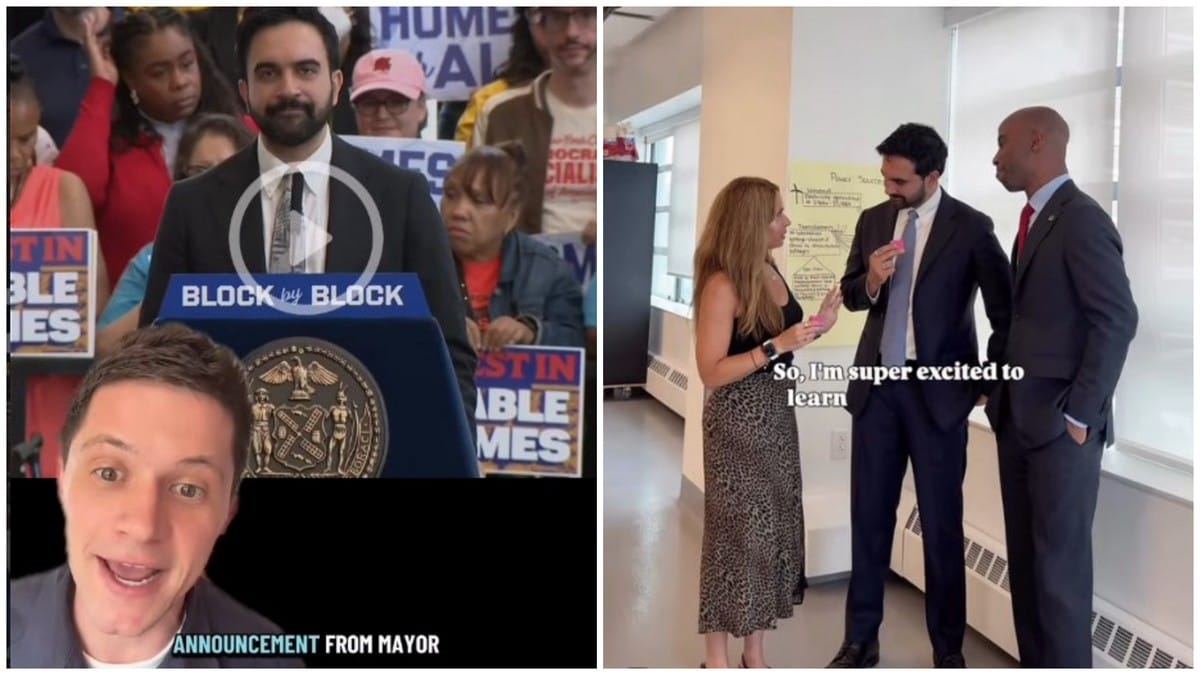
Mamdani’s Influencer Network Draws Scrutiny Over Access and Payments
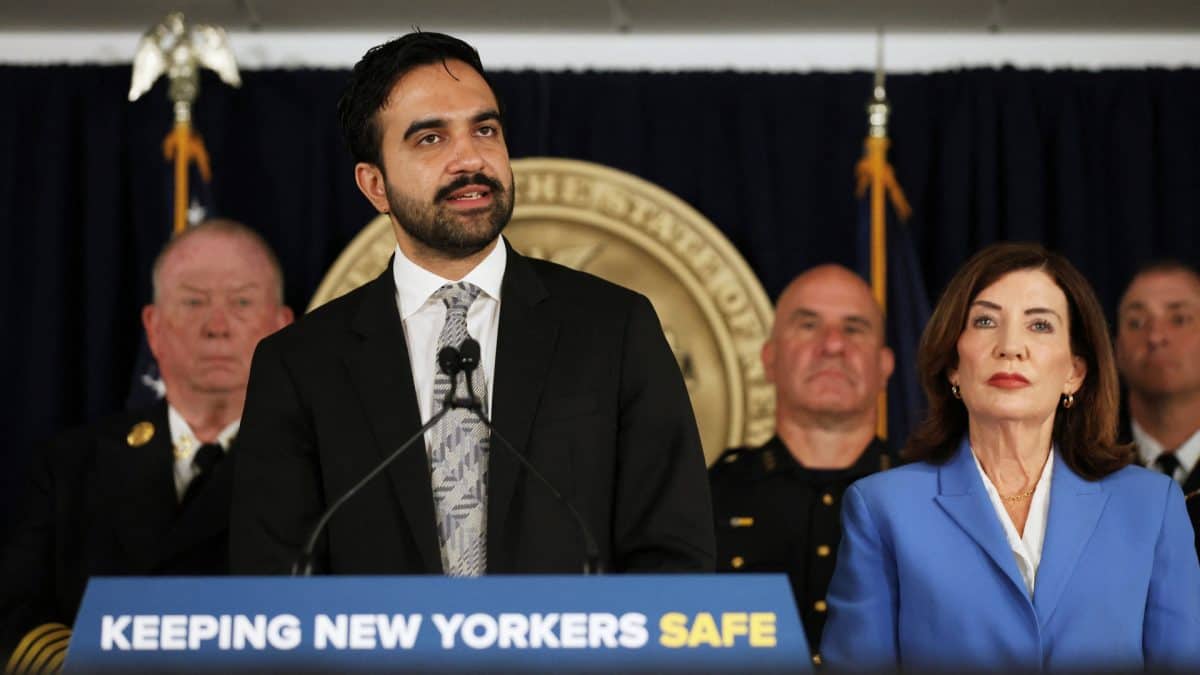
NYC Council Scrutinizes Mamdani Administration’s Influencer Messaging Network

Book Examines Social Media’s Role in India’s Hate-Speech Epidemic

Indian Faceless YouTube Channels Face Wide Earnings Gap
AI Videos Become New Battleground for Uttar Pradesh’s 2027 Polls
NDTV Yuva 2026 Speakers Discuss Content, Algorithms and Colourism

Nandigram Bypoll Tests BJP, Mamata-Congress Ties and Electoral Rolls
Nandigram Bypoll: Pradhan’s Arrest Complicates BJP’s Clear Electoral Edge
Suvendu Adhikari Targets Humayun Kabir Before Rejinagar Bypoll

Bengal BJP Chief Attacks Mamata Amid Trinamool Crisis