4 days ago
Mining Leaves Cracks, Dust and Displacement Across Rajasthan’s Aravallis

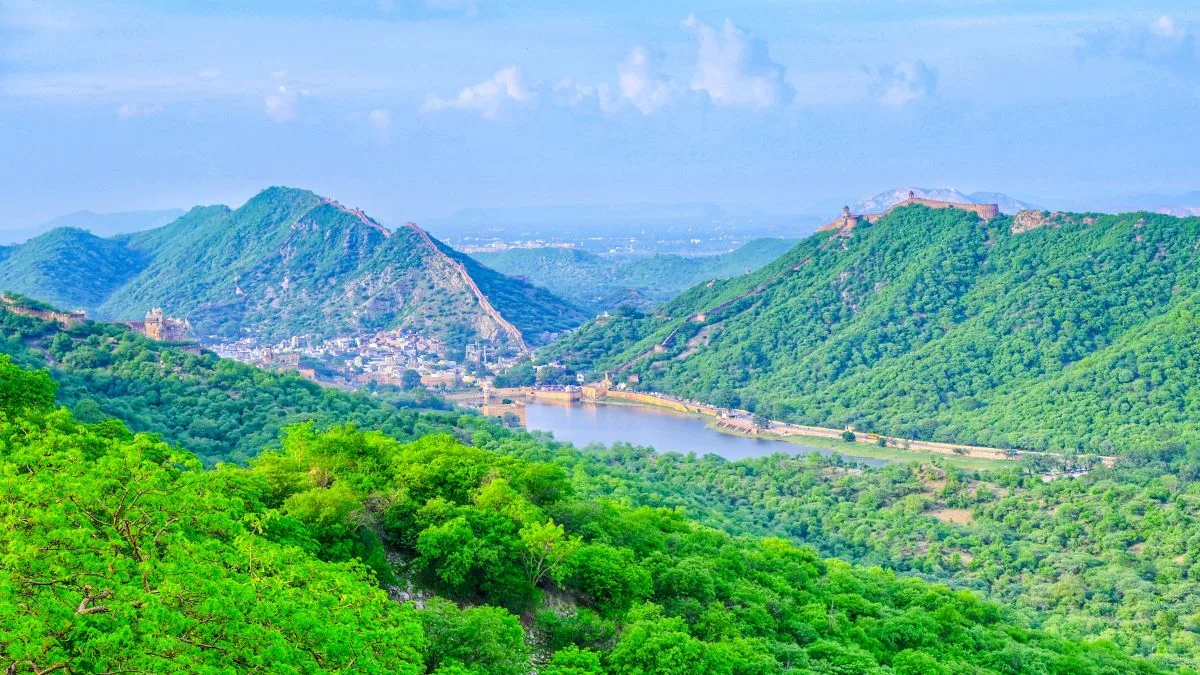
Mining is happening near several villages in Rajasthan’s Aravalli hills.
People living nearby say explosions shake their homes and create cracks in walls and roofs.
A girls’ school near mines was also reportedly damaged.
Dust from trucks and stone crushers covers farms and may reduce crop growth.
Some villagers say mining has harmed grazing land and cattle.
In one village, most families have reportedly left because of the effects of mining.
A tribunal ordered rehabilitation and restrictions on blasting in one affected village, but residents say this has not happened.
An expert panel appointed by the Supreme Court visited some areas but did not visit several affected villages.
Residents and activists want the panel to take more time and investigate their concerns.

Mining and blasting near homes, schools and farms have reportedly caused structural cracks, noise and dust in Kotputli-Behror and Sikar.
Four licensed mines operate near a residential girls’ school in Pawana Aheer, where residents say blasts damaged the building and nearby houses.
Mining near Doonga Ki Nangal village has reportedly driven out all but two Scheduled Caste families, who allege they were attacked by mine workers.
Dust from mines, stone crushers and heavy trucks has covered crops and reduced agricultural productivity, residents and officials say.
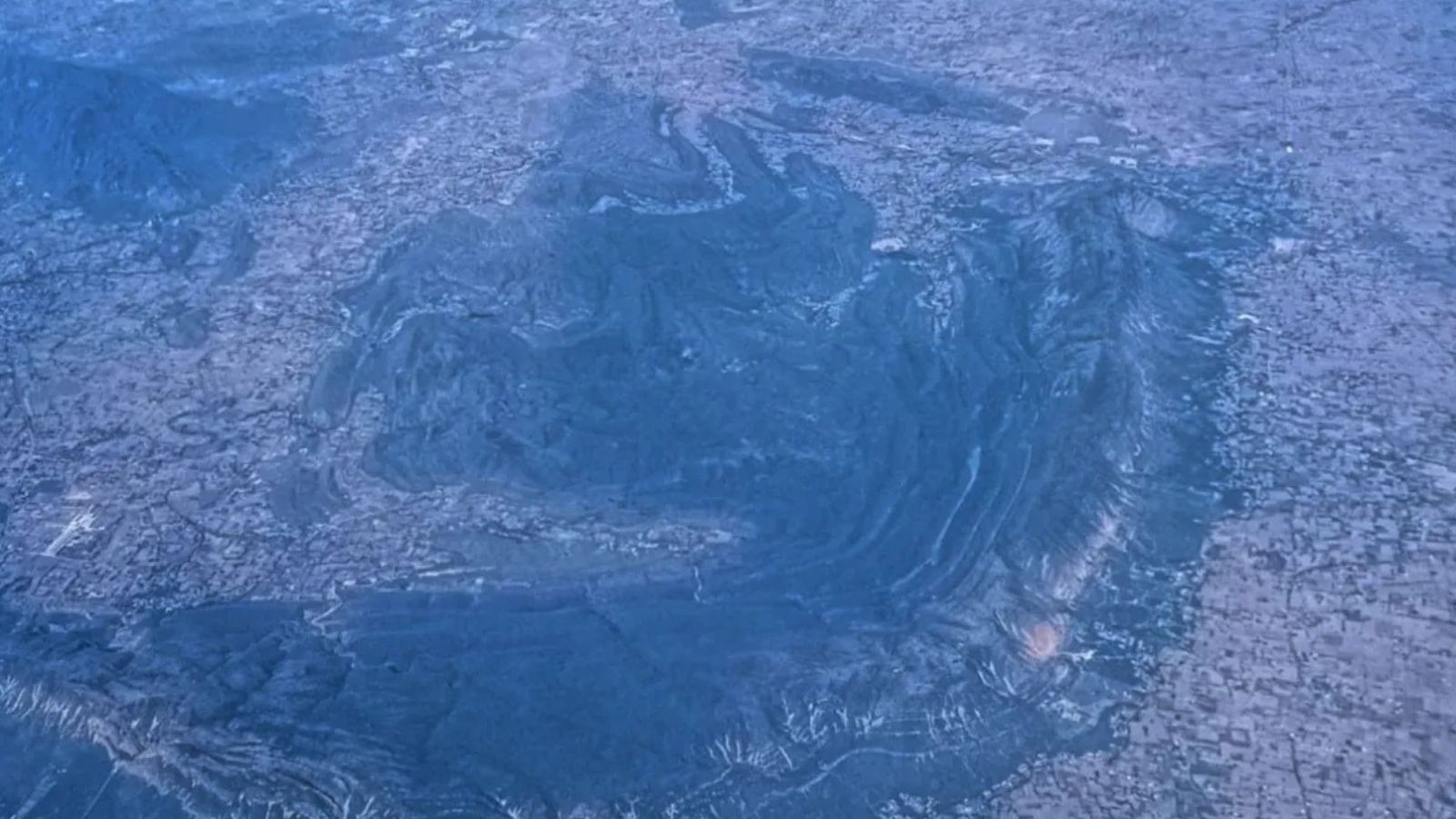
Residents and activists want the Supreme Court-appointed Aravalli panel’s August 31 reporting deadline extended because several affected villages were not visited.
- Who
- Residents and activists in Kotputli-Behror and Sikar, mining companies and workers, Rajasthan authorities, and a Supreme Court-appointed Aravalli panel.
- What
- The report describes alleged environmental, structural and livelihood impacts of mining and stone crushing, along with concerns about the panel’s incomplete field survey.
- Where
- Mining-affected villages in Rajasthan’s Kotputli-Behror and Sikar districts along the Aravalli range, including Mehrampur, Pawana Aheer, Doonga Ki Nangal and Jodhpura-Mohanpura.
- When
- The report was published August 29; the panel’s report was due August 31, and its field visits took place between August 6 and 10.
- Why
- The Aravallis contain commercially valuable rocks, including sandstone, limestone and marble, while residents say nearby mining has caused damage, pollution, displacement and loss of livelihoods.
Residents and activists
Mining and official stakeholders
Environmental and social impact
Residents and activists
Residents and activists say blasting, dust, truck traffic and mining near homes have caused structural damage, reduced crop productivity, harmed grazing areas and contributed to displacement.
Mining and official stakeholders
According to activist Neelam Ahluwalia, government officials and mining and stone-crushing industry representatives told the panel that operations in the Rajasthan Aravallis were being conducted sustainably and responsibly.
Adequacy of the panel’s review
Residents and activists
Residents and activists say the panel failed to visit important affected villages, that consultations were tilted toward officials and industry, and that its deadline should be extended.
Mining and official stakeholders
The panel conducted field visits and public hearings across multiple districts and was scheduled to submit its report by August 31; the article does not provide a direct response from the panel to the criticism.
Compliance and enforcement
Residents and activists
Activists want existing mining and crushing operations checked for compliance and leases cancelled when operators violate rules. Residents of Jodhpura-Mohanpura say blasting continues despite the tribunal’s order and that rehabilitation has not occurred.
Mining and official stakeholders
The article notes that the mines in question include licensed operations, but it does not provide responses from UltraTech Cement Limited or the Ministry of Environment, Forest and Climate Change to the allegations.
Key facts
- Aravalli range
- An ancient mountain range stretching more than 650 kilometres from Delhi to Gujarat.
- Mining distance rule
- Rajasthan rules generally require mining lease areas to be at least 50 metres from inhabited sites and certain public works.
- Affected school
- Four licensed mines operate near Kasturba Gandhi Balika Vidyalaya in Pawana Aheer.
- Jodhpura-Mohanpura order
- The National Green Tribunal ordered Rajasthan to create a rehabilitation committee, banned blasting within 500 metres and directed UltraTech Cement Limited to pay Rs 50,000 for structural damage.
- Reported agricultural impact
- Residents say mine and crusher dust settles on crops; a Kotputli-Behror agriculture official said dust accumulation adversely affects plant growth and productivity.
- Panel visits
- The Supreme Court-appointed panel visited nine districts in Delhi, Haryana and Rajasthan between August 6 and 10, but residents say it did not visit several affected villages.
- Public hearings
- Public hearings were held in Gurgaon, Alwar, Ajmer and Udaipur.
Quotes
Neelam Ahluwalia
Co-founder of Aravalli Virasat Jan Abhiyaan
“We hope that the committee examine compliance by existing licensed mining and stone crushing operators with the existing laws, and leases of those found flouting norms will be cancelled.”
 theprint.in
“Mines are operating just a few metres away from our farms. The dust from there lands on our crops, such as bajra (pearl millet) and carrots. It does not let them grow properly.”
theprint.in
Sources
Related news
Aravalli Mining Leaves Rajasthan Villages Facing Water Crisis
Critics Urge More Time for Aravalli Panel Consultations
Aravalli committee failed to visit mining-hit villages, activists allege
Civil Society Urges Aravalli Panel to Widen Consultations, Extend Deadline
Rajasthan: SC panel to study Aravalli landscape from Aug 7

Activists seek golden-goose-like protection for Aravalli mountain range

Two Years After RG Kar Doctor's Rape-Murder, Case Remains Unresolved

ED widens Chhattisgarh probes with two arrests and searches

Delhi High Court Orders Madhya Pradesh to Pay Advocate Dues
Haryana sanitation workers’ strike puts BJP government under pressure
Orissa High Court Says Brothel Customers Cannot Face Trafficking Charges