1 week ago
Critics Urge More Time for Aravalli Panel Consultations
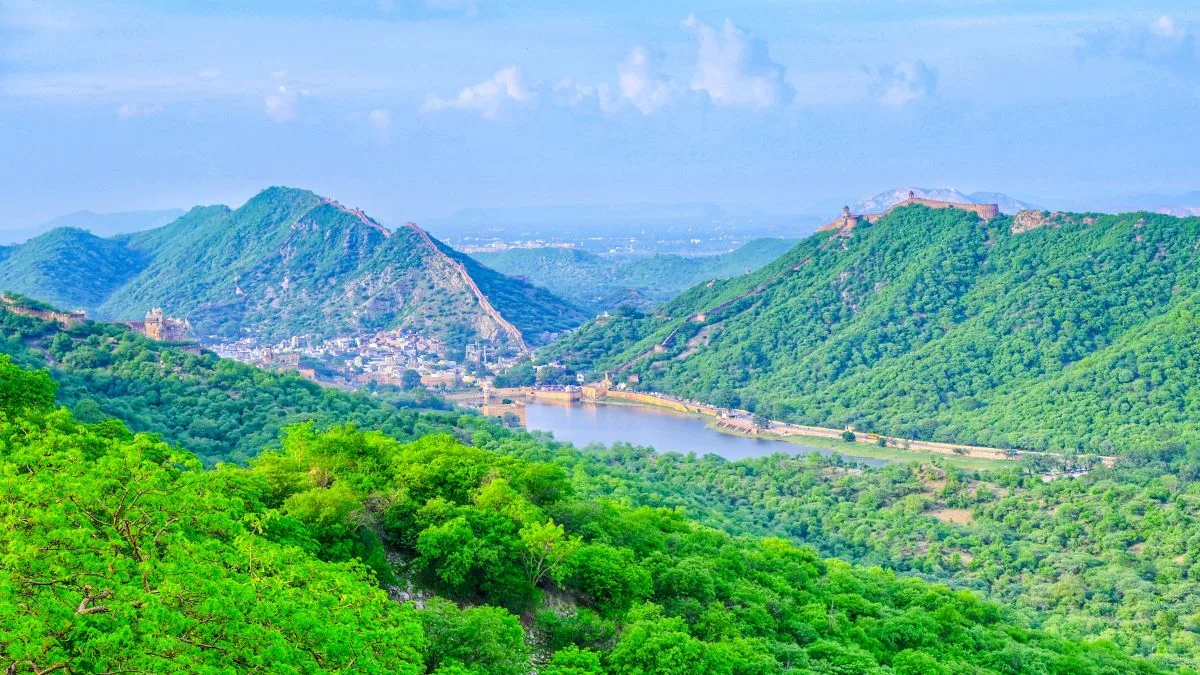
A court-appointed committee is studying how to protect the Aravalli hills.
Many people say the committee has not studied enough of the region.
They say it visited some districts and held meetings in only four cities.
They also say it did not visit villages badly affected by mining and stone crushing.
Mining has been blamed in the submissions for reducing water, damaging farms and harming forests and grazing land.
Tribal and rural communities say their lives depend on the hills, rivers and forests.
Some lawmakers want rivers, forests and sacred groves to receive special protection.
Environmentalists want an independent study of all 63 Aravalli districts.
They are asking the committee to take more time before submitting its report.

Experts, politicians, farmers and adivasi leaders called the panel’s scientific study and consultations inadequate across the 700-kilometre Aravalli range.
The Supreme Court-appointed High-Powered Committee visited nine districts and held hearings in four cities, according to a statement.
Critics said the panel did not visit mining-affected villages in Rajasthan, Haryana or Gujarat, limiting its understanding of environmental and livelihood damage.
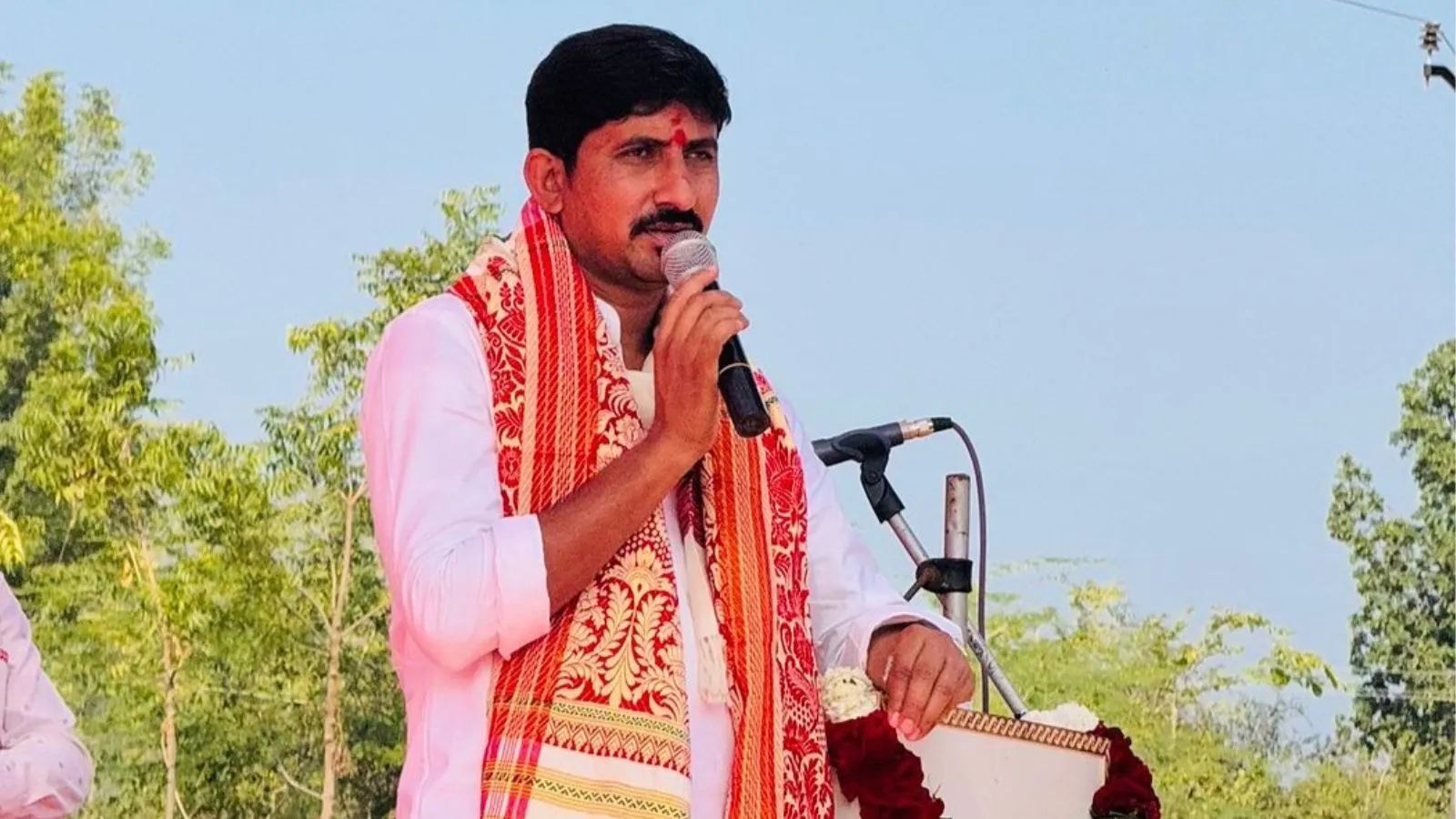
MPs Rajkumar Roat and Amra Ram highlighted mining-related health, water, forest and community concerns and sought stronger protections.
The groups urged the committee to seek more time, consult rural and adivasi communities directly and commission an independent study covering 63 Aravalli districts.
- Who
- Independent experts, conservationists, politicians, MPs, farmer and adivasi leaders, rural communities and civil society groups.
- What
- They urged the Supreme Court-appointed High-Powered Committee to extend its deadline, broaden consultations and conduct more comprehensive scientific and social studies of the Aravallis.
- Where
- Across the 700-kilometre Aravalli range, including areas in Rajasthan, Haryana, Gujarat and Delhi.
- When
- The committee’s report deadline is August 31, 2026; its 21-day comment period ended August 11, 2026, according to the articles.
- Why
- They said limited field visits and urban hearings had failed to capture mining-related environmental, health, water, livelihood and community impacts.
Critics and Affected Communities
Committee Process Described in Reports
Adequacy of consultations
Critics and Affected Communities
Experts, lawmakers and community representatives said hearings in four cities and limited district visits did not adequately include rural, mining-affected or adivasi communities.
Committee Process Described in Reports
The committee invited stakeholder comments for 21 days, visited nine districts and conducted public hearings in four cities.
Report timetable
Critics and Affected Communities
Critics said the committee should seek an extension rather than rush its report, allowing more fieldwork, face-to-face discussions and expert input.
Committee Process Described in Reports
The committee’s stated reporting deadline is August 31, 2026, following its consultation period.
Mining in the Aravallis
Critics and Affected Communities
Several submissions said mining and stone crushing have damaged water sources, farms, forests, grazing land, health and traditional livelihoods; Amra Ram said there is no sustainable or responsible mining in the range.
Committee Process Described in Reports
The articles do not report a response from the committee or mining operators to these allegations.
Key facts
- Committee activity
- The committee reportedly visited nine districts in Delhi, Haryana and Rajasthan from August 6 to 11, 2026, and held public hearings in Gurgaon, Alwar, Ajmer and Udaipur.
- Report deadline
- The committee is due to submit its report by August 31, 2026.
- Comment period
- The committee invited stakeholder comments for 21 days, ending August 11, 2026.
- Main criticism
- Critics said the panel did not visit mining-affected villages in districts including Sikar, Kotputli, Gurgaon, Faridabad, Nuh, Bhiwani, Charkhi Dadri and Mahendergarh.
- Proposed study
- Ecologist Pradip Krishen called for a cumulative, independent environmental and social impact study covering all 63 Aravalli districts identified in a September 2025 Forest Survey of India report.
- Community impacts cited
- Submissions linked mining and stone crushing to water shortages, dust-covered crops, destroyed grazing land, damaged forests and risks to public health.
- Protections requested
- Amra Ram sought protection for the Girjan, Sota and Katli rivers, forests and sacred groves, including the Girjan ecosystem’s villages, hamlets and Buchara dam.
Quotes
Stalin Dayanand
Director of Vanashakti
“We earnestly request the Committee to seek more time, broaden the consultation process, involve independent experts, listen to rural and adivasi communities and include knowledgeable local citizens in field visits rather than rushing to submit the report by 31 August. Protecting the Aravallis is a responsibility to future generations. The decisions taken today could determine whether future generations inherit a healthy and functioning ecological system or a severely damaged landscape.”
 thestatesman.com
“Over the past 5 decades, these traditional activities in the Aravalli region have been severely impacted as a result of unavailability of water due to excessive mining and with a layer of dust from the stone crushers covering the crops. Grazing lands have been destroyed due to hills being razed to the ground by mining and dumping of mining waste. Yet, the Aravalli Committee did not visit any of the affected areas – whether in Gujarat, Rajasthan or Haryana.”
thestatesman.com
Sources
Related news

Aravalli committee failed to visit mining-hit villages, activists allege
Civil Society Urges Aravalli Panel to Widen Consultations, Extend Deadline
RSS-affiliate raises concerns over Aravalli panel's consultation process
Aravalli Mining Leaves Rajasthan Villages Facing Water Crisis
Rajasthan: SC panel to study Aravalli landscape from Aug 7
Mining Leaves Cracks, Dust and Displacement Across Rajasthan’s Aravallis
Madan Dilawar Faces Firestorm Over Rajasthan Education Controversies
BJP Taps First-Time MP To Counter BAP’s Tribal Rise
Rajasthan To Table Uniform Civil Code Bill, Tribal Identity Debate
Mangarh Dham Declined as National Monument