1 hr ago
Kerala’s Power Crisis Tests New Government’s Economic Ambitions
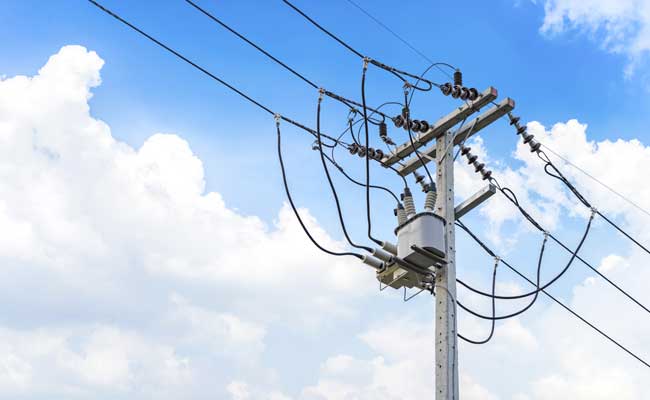
Kerala is using more electricity than it can currently provide.
Its electricity demand rose sharply in September, especially in the evening.
The state makes only about one-quarter of the power it uses, so it must buy the rest.
Less monsoon rain and shortages elsewhere have made buying electricity harder and more expensive.
Air conditioners and electric vehicles are adding to demand, but EVs are not the main cause of the shortage.
Solar power helps during the day, but many people use more electricity after the sun goes down.
The government is asking people to reduce use between 6 pm and midnight.
Government and opposition leaders disagree about whether an older power contract could have prevented the problem.
The government plans to announce a renewable-energy-focused power policy in October.

Kerala’s peak electricity demand crossed 5,000 MW in September, creating an estimated 1,000-MW gap during difficult hours.
The state produces only about a quarter of its electricity and expects outside power purchases to rise from Rs 13,000 crore to Rs 16,000 crore this year.
Lower monsoon rainfall, coal-related national shortages, and limited central-station generation have tightened electricity availability.
Air conditioners and evening EV charging are increasing demand, although EVs alone account for only a small share of peak consumption.
The government plans a new renewable-focused power policy, while restrictions may continue through September and opposition parties criticize its handling of the crisis.
- Who
- Kerala’s UDF government, the Kerala State Electricity Board, and opposition leader Pinarayi Vijayan are central to the dispute.
- What
- Kerala is facing electricity shortages, evening restrictions, and costly power purchases after peak demand exceeded available supply.
- Where
- Kerala, with the shortage affecting electricity supply across the state.
- When
- The restrictions entered their second week in September; KSEB indicated they could continue until the end of September, with additional short-term power expected from October 1.
- Why
- Demand has risen faster than generation because of household consumption, air conditioners, EV charging, and broader economic activity, while lower rainfall and wider power shortages have limited supply.
Kerala Government
Opposition
Cancelled long-term power agreements
Kerala Government
Electricity Minister Sunny Joseph says Kerala would have been in a stronger position if long-term agreements made during the Oommen Chandy government had not later been cancelled, and the government has approached the Supreme Court to revive them.
Opposition
Pinarayi Vijayan says the agreement faced legal and regulatory problems, including concerns about tariff fixation and deviations from standard bidding procedures; the Kerala State Electricity Regulatory Commission refused approval in 2023.
Cause of the current restrictions
Kerala Government
The government says electricity availability outside Kerala has tightened and that the state is also returning power borrowed earlier, making current conditions different from last April.
Opposition
Vijayan argues that Kerala managed to avoid cuts when demand reached about 6,100 MW last April and questions why restrictions are occurring now despite lower current demand.
Long-term response
Kerala Government
The government plans to announce a power policy centered on renewable and solar energy, while seeking short-term purchases even at prices of up to Rs 30 per unit.
Opposition
The opposition is using outages, consumer complaints, protests, and social-media criticism to challenge the new government’s management of the crisis.
Key facts
- September peak demand
- More than 5,000 MW
- Estimated shortage
- About 1,000 MW during difficult hours
- State-generated electricity
- About one-quarter of Kerala’s consumption
- Annual outside-power purchases
- Expected to rise from around Rs 13,000 crore to Rs 16,000 crore
- Monsoon rainfall
- Around 22% below normal, according to the article
- EV fleet estimate
- About 4.28 lakh electric vehicles registered between 2019 and 2026
- Potential EV evening load
- About 93 MW to 124 MW under the article’s charging assumptions
Quotes

Pinarayi Vijayan
Leader of the Opposition in Kerala
“The legal problems in the agreement unilaterally entered into by KSEB led the regulatory commission to cancel it.”
 NDTV
NDTV
“Some KSEB officials get annoyed when we talk about promoting renewable energy projects.”
NDTV
Sources
Related news
Keralam's Summer Power Crisis Persists Amid Demand and Monsoon Shortfalls
Kerala Power Crisis Spurs UDF-CPM Blame Over Cancelled Deal
Above-Normal Heat Pushes Kerala Power Demand, Restrictions Possible
KSEB Seeks Approval to Buy Costlier Power Amid Kerala Crisis

Kerala Promises October Power Policy Amid Electricity Crisis
Kerala Power Cuts Renew Debate Over Cancelled Electricity Deals
Kerala's Power Crisis Deepens as Ashok Challenges Vijayan
Kerala Congress Row Over MLA Aide Exposes Internal Power Struggle