2 hrs ago
India’s 7.8% GDP Growth Faces Questions Over Jobs, Inclusion
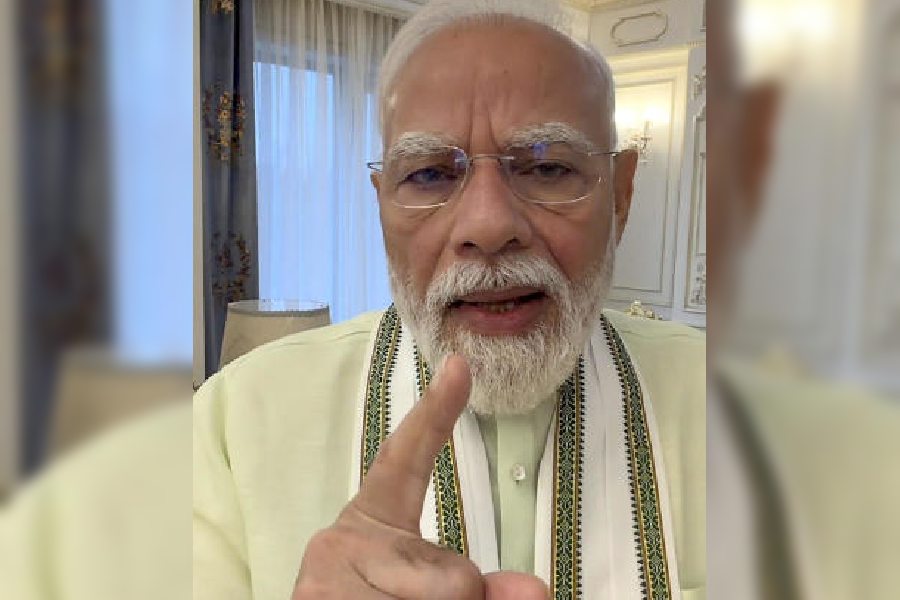

India reported 7.8% GDP growth in the first quarter of financial year 2026-27.
Former finance secretary Subhash Chandra Garg argued that actual growth may have been 2.6%.
Several correspondents questioned why strong headline growth has not produced more jobs or eased household pressures.
Letters cited dependence on free ration, falling exports, rising imports, a weaker rupee and inflation as concerns.
One letter welcomed the growth but urged continued macroeconomic stability, capital spending and private investment.
- Who
- The Indian government, Prime Minister Narendra Modi, economists and newspaper correspondents are central to the debate.
- What
- Correspondents debated whether India’s reported 7.8% GDP growth accurately reflects economic conditions and inclusive progress.
- Where
- India, with letters submitted from cities including Faridabad, Jamshedpur, Mumbai, Calcutta, Noida and Raichur.
- When
- The growth figure refers to the first quarter of financial year 2026-27; the letters cite reports published on September 2 and September 4.
- Why
- The debate concerns conflicting estimates and questions about jobs, inflation, household welfare, trade, currency weakness and the durability of growth.
Growth Is Positive but Requires Caution
Headline Growth Needs Greater Scrutiny
Reliability of the 7.8% figure
Growth Is Positive but Requires Caution
The reported 7.8% growth was described as welcome news and evidence of strong domestic economic performance.
Headline Growth Needs Greater Scrutiny
Subhash Chandra Garg and other critics questioned the calculation, with Garg suggesting growth may have been only 2.6%.
Benefits for ordinary people
Growth Is Positive but Requires Caution
Supporters of the growth figure argued that strong domestic production is a positive development despite a volatile global environment.
Headline Growth Needs Greater Scrutiny
Critics said the benefits are not reaching ordinary people, pointing to unemployment, free-ration dependence, inflation and limited visible expansion of factories.
Policy response
Growth Is Positive but Requires Caution
The growth should be sustained through macroeconomic stability, capital expenditure and encouragement of private investment.
Headline Growth Needs Greater Scrutiny
The government’s optimistic presentation should be examined more closely, especially because exports, imports, the rupee and consumer spending raise questions about economic strength.
Key facts
- Reported GDP growth
- 7.8% in the first quarter of financial year 2026-27
- Alternative estimate
- Former finance secretary Subhash Chandra Garg argued that growth was 2.6%
- Government explanation
- Narendra Modi attributed the growth to the hard work of 1.4 billion Indians
- Main employment concern
- Correspondents questioned why strong growth has not created more jobs
- Household concerns
- Letters cited rising prices, food inflation and dependence on free ration
- Trade and currency concerns
- Correspondents mentioned falling exports, rising imports and a weakening rupee
- Policy caution
- One letter called for macroeconomic stability, continued capital expenditure and more private investment
Sources
Related news
Goyal Defends India’s 7.8% GDP Growth Amid Data Debate
India’s 7.8% GDP Growth Sparks Congress Economic Dispute
Opposition Challenges 7.8% GDP Growth Amid Jobs, Price Concerns
India's 7.8% GDP Growth Sparks Questions Over Economic Reality

Modi Hails 7.8% GDP Growth as Congress Challenges Numbers

Warring Questions 7.8% GDP Growth, Seeks Relief for Indians
India’s 7.6% Growth Story Faces Base-Year Questions

Former Finance Secretary Questions India’s Revised GDP Figures

India GDP Base-Year Revision Triggers Political Growth Data Storm
India’s GDP Growth Debate Extends Beyond Conflicting Statistics