

6 days ago
Raksha Bandhan's History Reveals A Festival Beyond Simple Sibling Protection
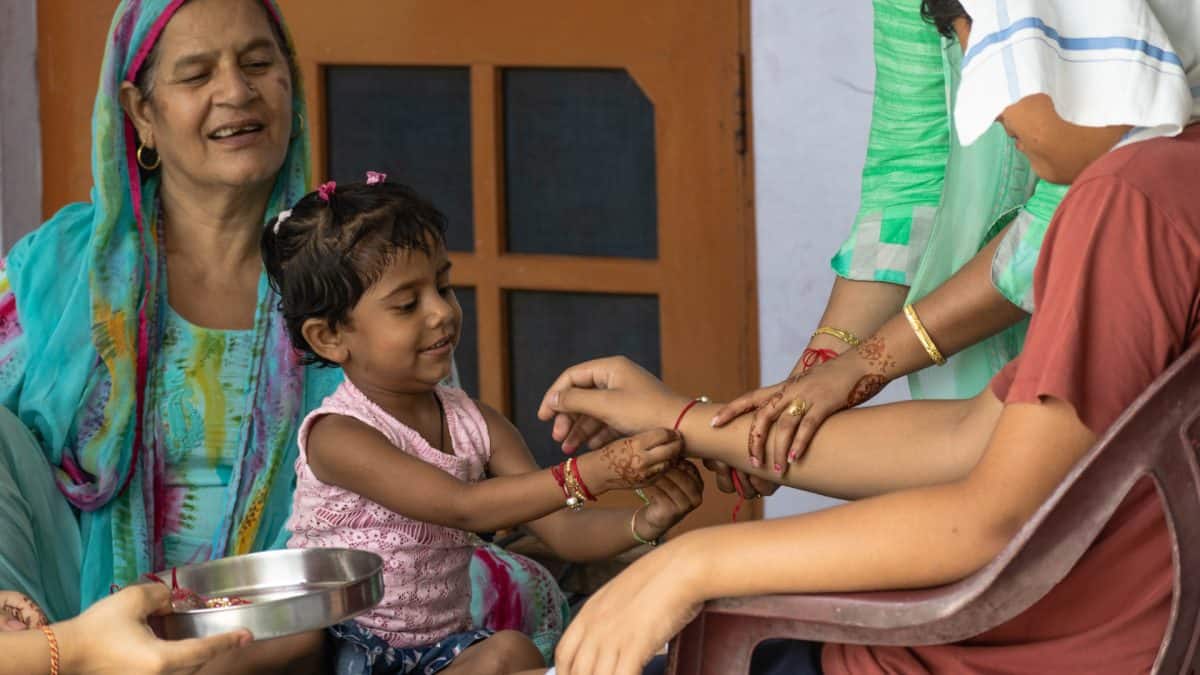
Raksha Bandhan is a festival about caring for people we love.
The word “raksha” means protection, and “bandhan” means a bond or tie.
Traditionally, a sister ties a rakhi on her brother’s wrist.
She wishes him good health, and he promises to support and protect her.
The festival does not have one proven starting point.
Different religious stories and community traditions helped shape it.
In the past, rakhis could also be tied by priests or exchanged in wider community rituals.
Today, many people see the rakhi as a promise of support that goes both ways.
The important part is the lasting relationship, not just the thread or gifts.

Raksha Bandhan means a bond of protection, care and enduring affection.
No single historical event or origin can be reliably identified for the festival.
Religious legends connect the ritual with Shachi and Indra, Krishna and Draupadi, and Lakshmi and King Bali.
The festival historically included protective threads tied by priests, alongside sibling traditions.
Today, many people interpret rakhi as a mutual promise of support among siblings, relatives and friends.
- Who
- Siblings, relatives, friends, priests and members of different communities participate in Raksha Bandhan-related traditions.
- What
- Raksha Bandhan is a festival involving the tying or exchange of protective threads and the reaffirmation of caring relationships.
- Where
- The festival is observed in different forms across parts of India, with related traditions in Nepal.
- When
- It is associated with the full moon of the Hindu month of Shravana and is celebrated annually.
- Why
- It is celebrated to express protection, affection, responsibility and continuing ties between siblings and other loved ones.
Mutual Support And Inclusion
Traditional Protection Roles
Meaning of protection
Mutual Support And Inclusion
The rakhi can represent reciprocal care and support, rather than a one-way promise from a brother to a sister.
Traditional Protection Roles
The traditional ritual presents the brother as protector and the sister as the person receiving protection.
Who can participate
Mutual Support And Inclusion
Modern observances may include sisters tying rakhis to sisters, brothers to brothers, and friends or cousins participating.
Traditional Protection Roles
The familiar and historically dominant popular form centers on the bond between a sister and her brother.
Gender roles
Mutual Support And Inclusion
The festival can be understood primarily as a celebration of affection and a relationship that endures through change.
Traditional Protection Roles
Critics, including the UCLA South Asia programme as cited in the article, say the traditional framing can reinforce patriarchal gender roles.
Key facts
- Meaning
- “Raksha” means protection and “bandhan” means bond or tie.
- Traditional ritual
- A sister commonly ties a rakhi around her brother’s wrist, prays for his wellbeing and receives a promise of support.
- Historical origin
- There is no reliable evidence for one event that began Raksha Bandhan in its present form.
- Religious references
- Texts and legends associate protective threads with Shachi and Indra, Krishna and Draupadi, and Lakshmi and King Bali.
- Wider traditions
- Priests historically tied protective threads around patrons, while communities also exchanged tokens of affection and protection.
- Regional forms
- Related observances include Narali Purnima in parts of Maharashtra, Rakhi Purnima or Gamha Purnima in Odisha, and Janai Purnima in Nepal.
- Contemporary meaning
- Many people now view rakhi as a mutual promise of support, including among sisters, brothers, friends and cousins.
Sources
Related news

Raksha Bandhan: Rethinking Protection Through Love and Spiritual Connection
Why Rakhi Is Traditionally Tied on the Right Wrist

President Murmu and PM Modi Greet Indians on Raksha Bandhan

Shravana Purnima Highlights Raksha Bandhan’s Spiritual Sibling Bonds
Raksha Bandhan 2026: Date, Muhurat, Rituals And Significance

Raksha Bandhan 2026: Wishes, Rituals and Muhurat for Siblings

Nepal Thanks India as Glacial Disaster Rescue Efforts Continue
Nepal Warns of Heavy Rain After Deadly Floods
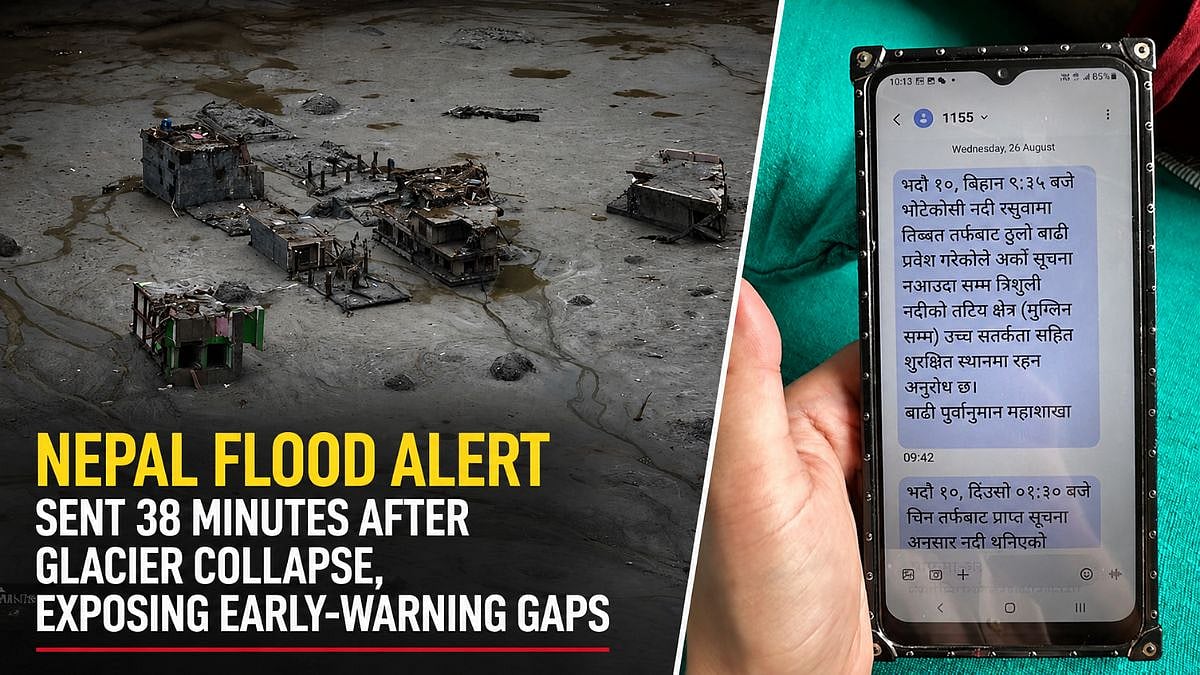
Nepal Flood Exposes Delayed Alerts and Cross-Border Warning Gaps
India to Rebuild Nepal School After Principal Saves 1,600
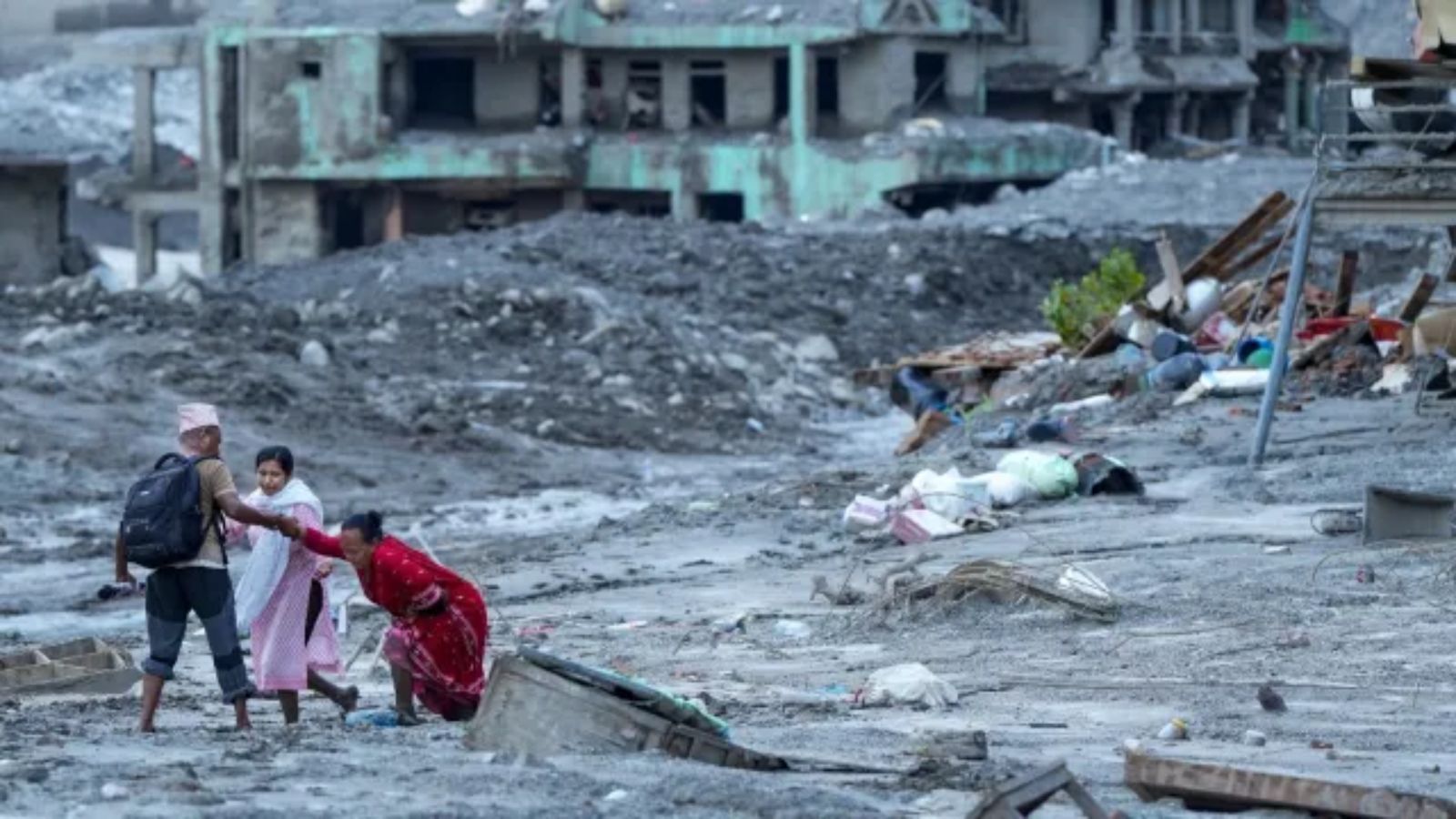
Maharashtra Mountaineers Join Search for Missing Nepal Trekkers
