1 week ago
Why Rakhi Is Traditionally Tied on the Right Wrist
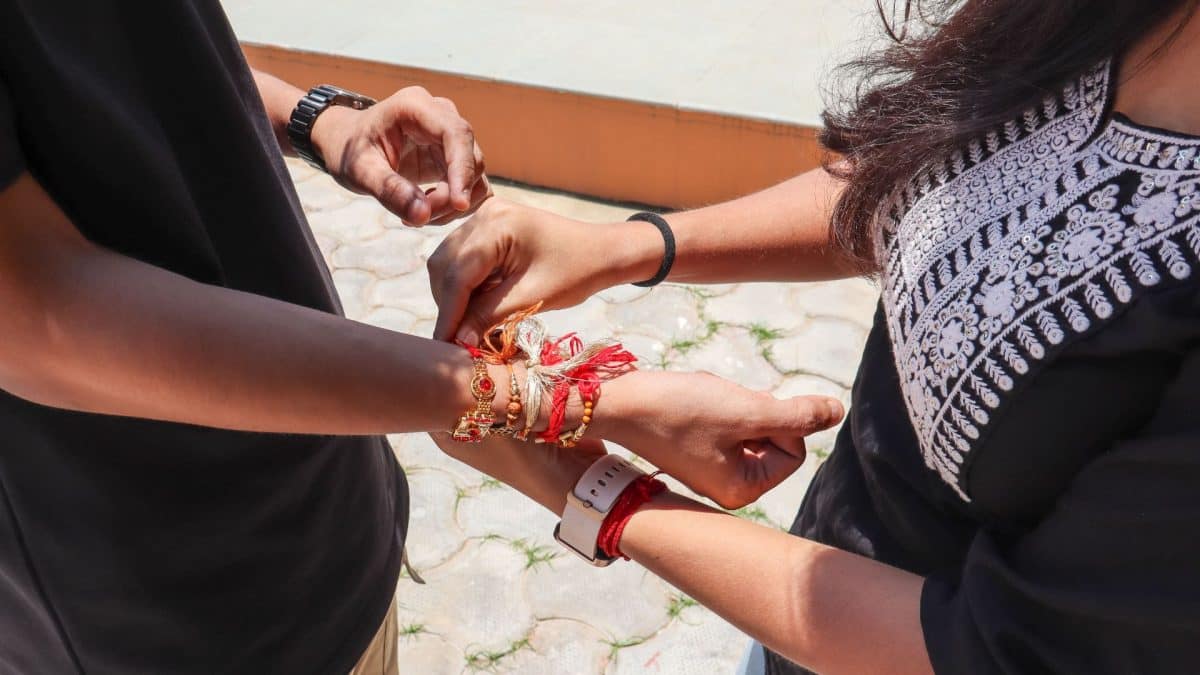
Rakhi is a special thread tied during Raksha Bandhan.
Sisters traditionally tie it on their brothers’ right wrists.
In many Hindu traditions, the right side is seen as lucky and important.
People use the right hand for blessings, offerings and religious duties.
The thread represents love, good wishes and protection.
It can also remind a brother to act responsibly and kindly.
Raksha Bandhan is about mutual care between siblings, not only a brother protecting a sister.
Some families and communities may follow different customs.

The right side of the body is generally considered auspicious in Hindu ritual traditions.
The right hand is associated with action, duty, strength and sacred rituals.
Rakhi represents a sister’s prayers for her brother’s well-being and their shared bond of protection.
The ritual increasingly symbolizes mutual love, emotional support and responsibility between siblings.
Although the right wrist is conventional for brothers, practices vary among families and communities.
- Who
- Sisters and brothers celebrating Raksha Bandhan.
- What
- A Rakhi is tied around a brother’s wrist as a symbol of love, protection and sibling responsibility.
- Where
- Traditionally on the brother’s right wrist, though customs vary by family and community.
- When
- During the annual festival of Raksha Bandhan.
- Why
- The right side is considered auspicious in many Hindu rituals, and the thread represents prayers, affection, protection and shared responsibilities.
Key facts
- Festival
- Raksha Bandhan
- Traditional recipient
- Brothers
- Traditional wrist
- Right wrist
- Religious association
- The right hand is used for offerings, blessings and sacred duties.
- Rakhi meaning
- A protective thread representing affection and responsibility between siblings.
- Broader significance
- Mutual love, emotional support and family bonds.
- Variation
- Some families and communities follow different wrist and sacred-thread customs.
Sources
Related news
Raksha Bandhan's History Reveals A Festival Beyond Simple Sibling Protection
Raksha Bandhan 2026 Date, Muhurat and Meaning Explained
Raksha Bandhan 2026: Date, Muhurat, Rituals And Significance

Raksha Bandhan: Rethinking Protection Through Love and Spiritual Connection

Raksha Bandhan 2026 Muhurat And Jharkhand Tree-Rakhi Campaign
Raksha Bandhan 2026: Sanskrit Shlokas To Share On Rakhi

Shravana Purnima Highlights Raksha Bandhan’s Spiritual Sibling Bonds

Allu Arjun Lost ₹25,000 Over Chiranjeevi’s Iconic Veena Step