

1 week ago
India’s Dollar Inflows Buy Time, But Structural Repairs Cannot Wait
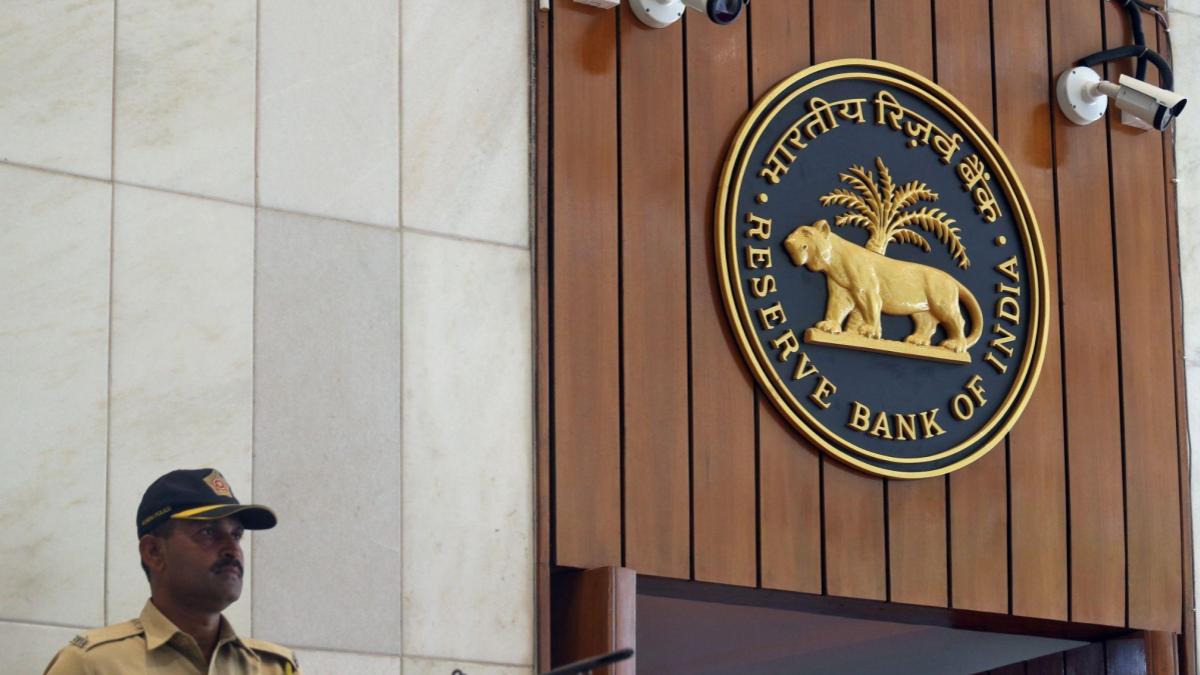
India’s central bank invited more dollars into the country through special financial schemes.
Banks raised $136.4 billion, which was much more than many analysts expected.
This gives India extra time to deal with pressure on the rupee and its foreign payments.
However, the money is borrowed and will need to be repaid in the future.
The central bank may also have to pay significant interest and manage the extra rupees created by the inflows.
The article says India should not use this money as an excuse to delay reforms.
It argues that the rupee may need to weaken gradually if foreign investment remains weak.
It also says the government should make deeper changes to attract long-term investment.

The Reserve Bank of India raised $136.4 billion through three foreign-currency mobilisation schemes.
The FCNR(B) scheme attracted $127.2 billion and closed a month early on August 31.
The inflows added nearly ₹13 trillion in liquidity that may require sterilisation.
India faces repayment challenges for $236 billion in forwards and new foreign-currency liabilities.
The article urges orderly rupee depreciation and deeper structural reforms to attract lasting capital.
- Who
- The Reserve Bank of India, Indian banks, the government, and foreign investors are central to the issue.
- What
- India mobilised $136.4 billion through foreign-currency deposit and borrowing schemes to support its external finances and the rupee.
- Where
- The measures concern India’s currency, foreign-exchange reserves, and external capital markets.
- When
- The RBI announced the measures on June 5; the FCNR(B) scheme closed on August 31, and repayment obligations will arise over three to five years.
- Why
- The schemes were intended to raise foreign currency, ease exchange-rate pressure, and give policymakers time to address external vulnerabilities.
Currency Stability and Intervention
Orderly Depreciation and Structural Reform
Managing the rupee
Currency Stability and Intervention
The RBI can use foreign-currency inflows and intervention to support a stable exchange rate and limit immediate market pressure.
Orderly Depreciation and Structural Reform
The article argues that excessive intervention can create larger vulnerabilities and that the rupee should depreciate in an orderly way when capital inflows are insufficient.
Use of borrowed dollars
Currency Stability and Intervention
The $136.4 billion mobilisation gives policymakers valuable time to strengthen reserves and repair external weaknesses.
Orderly Depreciation and Structural Reform
Borrowed resources could encourage procrastination because the funds create costly repayment obligations rather than permanently solving the underlying problems.
Attracting investment
Currency Stability and Intervention
Opening debt markets, easing foreign-investment rules, and offering tax or regulatory incentives can help bring in capital.
Orderly Depreciation and Structural Reform
The article says such measures may be only temporary remedies and that deeper structural reforms are needed to attract sustained global investment.
Key facts
- Total inflows
- $136.4 billion was mobilised through the three schemes.
- FCNR(B) inflows
- $127.2 billion was raised through foreign-currency non-resident bank deposits.
- Additional borrowing
- $9.1 billion came through overseas foreign-currency borrowings and external commercial borrowings.
- Scheme closure
- The FCNR(B) scheme closed on August 31, one month earlier than the originally stated September 30 deadline.
- Liquidity impact
- The inflows added nearly ₹13 trillion to the financial system.
- Potential liabilities
- India may need to manage approximately $236 billion in liabilities, including more than $100 billion in forwards and $136 billion in new liabilities.
- Deposit rates
- New three-to-five-year FCNR(B) deposits carry interest rates of about 6% to 7.5%.
Sources
Related news

RBI Forex Swap Draws $136.37 Billion, Led by FCNR(B)

Dollar inflows strengthen rupee but challenge RBI liquidity management
India Draws Record $127 Billion Through Special FCNR Window

India Forex Reserves Reach Record High After RBI Dollar Measures
FCNR(B) Inflows Leave RBI Facing Liquidity and Redemption Risks

RBI’s $136 Billion Inflow Pushes Rupee Management Into Focus

Indian Banks Receive $127 Billion Boost From Foreign Currency Deposits
India Tapped Overseas Indians After Rupee’s Record Fall

FCNR Inflows Bring Immediate Rupee Liquidity and Future Risks

FCNR-B Inflows May Cost RBI ₹2 Lakh Crore
