3 days ago
British India Created Anti-Parachute Columns Against Feared Invasion
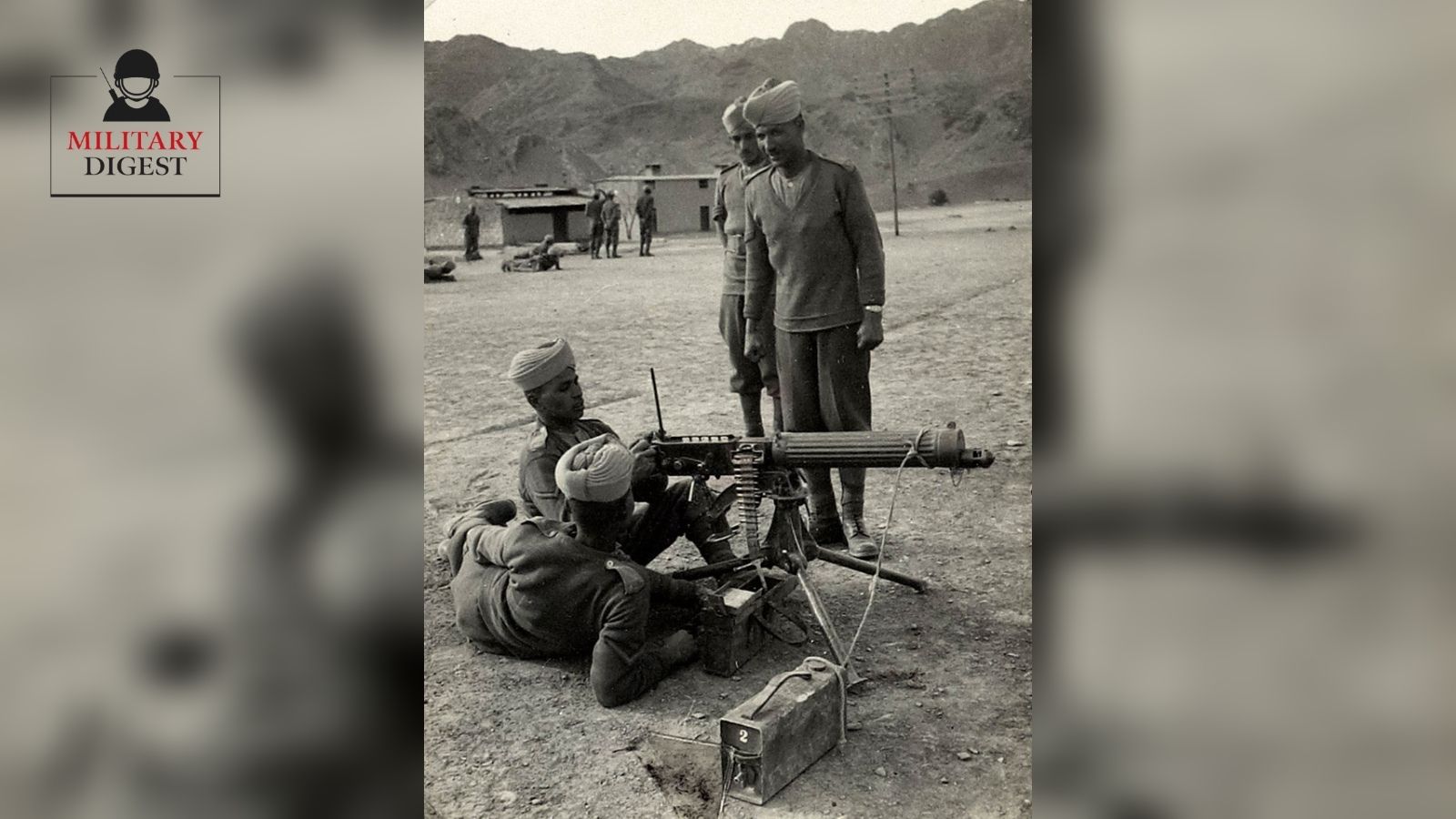
During World War II, British officials in India worried that German troops might land by parachute.
They feared an attack could come through Iran or Afghanistan.
The government planned four mobile teams to chase and fight parachutists.
These teams were based at Nowshera, Kohat, Rawalpindi and Lahore.
Police and villagers were expected to report any enemy landings quickly.
Small local groups would follow the enemy but generally would not attack heavily armed soldiers.
Army columns would then arrive and deal with the threat.
The 11th Royal Garhwal Rifles formed the main Indian part of the force, with British soldiers providing additional support.

In February 1941, the Government of India ordered mobile anti-parachute columns to be formed in Punjab and the North West Frontier Province.
The first four columns were planned for Nowshera, Kohat, Rawalpindi and Lahore, with operations extending across British India, Punjab States and Kashmir.
The columns were intended to respond to enemy parachute or airborne landings targeting communications, oil facilities, arsenals, utilities and government centers.
Police, village headmen and chowkidars were expected to report landings, while local armed parties would track enemy troops until military forces arrived.
The 11th Royal Garhwal Rifles provided the main Indian infantry nucleus, supported by British infantry platoons and commanded by British officers.
- Who
- The Government of India, the Army in India, British and Indian infantry, police and local village officials.
- What
- The authorities formed mobile anti-parachute columns and organized reporting and tracking procedures against possible airborne attacks.
- Where
- The initial columns were located at Nowshera, Kohat, Rawalpindi and Lahore, covering parts of Punjab, the North West Frontier Province, Punjab States and Kashmir.
- When
- The plan was documented on February 18, 1941, during the third year of World War II.
- Why
- British authorities feared airborne troops could attack military installations, communications, industries and government centers or support an internal insurrection.
Key facts
- Initial columns
- Four columns were planned for Nowshera, Kohat, Rawalpindi and Lahore.
- Main Indian unit
- The 11th Royal Garhwal Rifles supplied the force's Indian infantry nucleus.
- Supporting troops
- One platoon of British infantry was assigned at each location.
- Command
- A British officer commanded the force at each location.
- Reporting network
- Police stations were to forward reports to the nearest anti-parachute column center.
- Local reporting
- Villagers, village headmen and chowkidars were expected to report enemy sightings.
- Possible targets
- Potential targets included rail and road bridges, oil installations, communications facilities, arsenals, power stations and government offices.
Quotes

Government of India
The wartime Indian administration issuing instructions on anti-parachute defenses
“On receipt of information at a police station it should be the Station House Officer to forward all particulars to the nearest centre where a mobile column is located. For this to be effective all police stations should have telephones,”
 indianexpress.com
Sources
Related news
Remembering the Punjab Boundary Force and the Shadow of Partition
Indian Army Foils Suspected Infiltration Attempt in Rajouri

Ex-Air Marshal Says Pakistan Hunted India’s S-400 Systems
Pakistan Deploys Three Army Companies in Rawalpindi Amid Security Concerns

Naravane Says Operation Sindoor Shifted India’s Pakistan Approach

Ex-CDS Says Indian Drone Accidentally Struck Pakistan’s Kirana Hills

Indian Army Engages Pakistani Drones in J&K