

2 weeks ago
How Delhi, Lahore, Calcutta and Karachi Saw Freedom
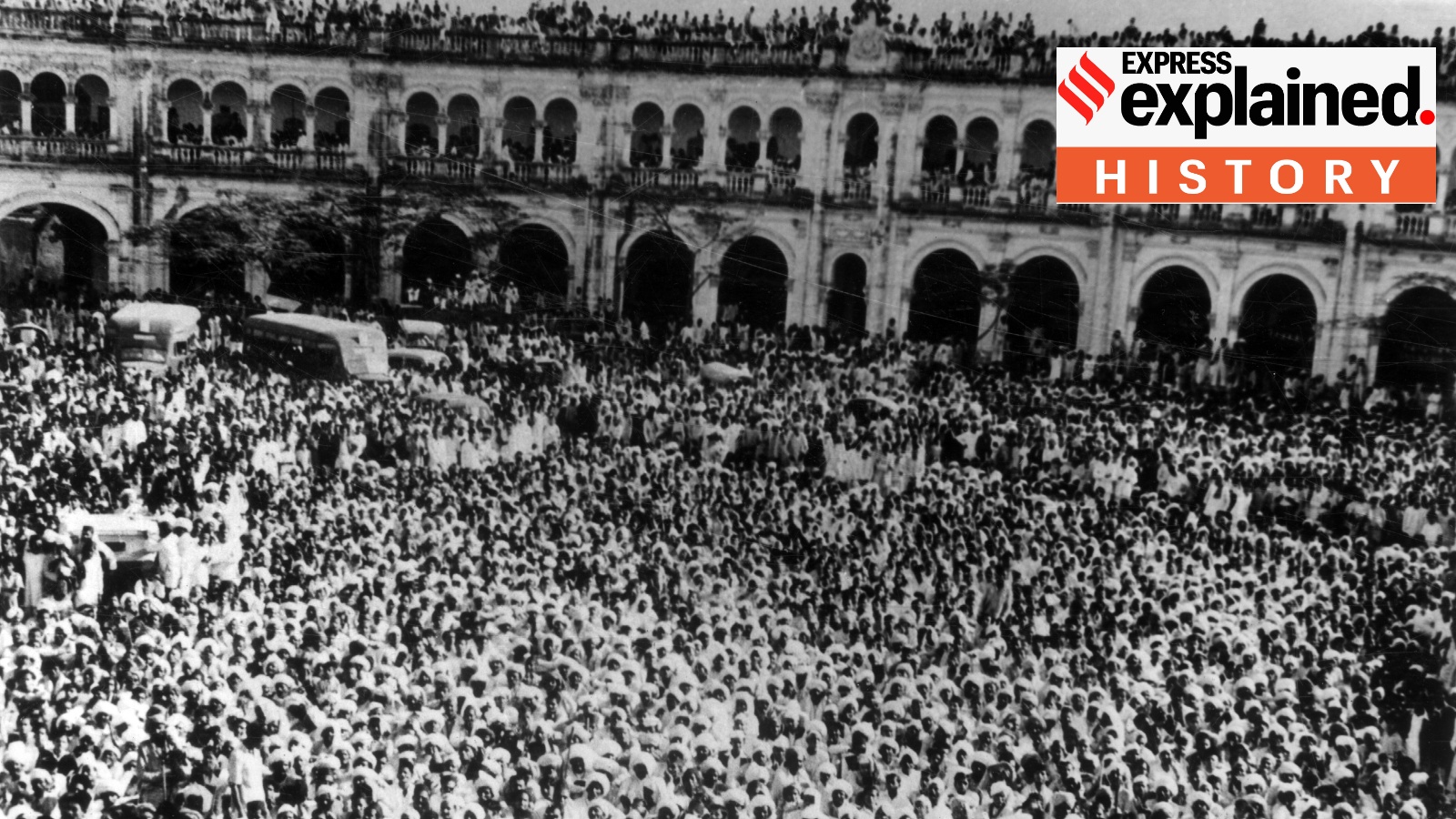
A very long time ago, in 1947, a big country called India had been ruled by Britain for many years.
Finally, on August 15, 1947, India became free, but it was also cut into two countries: India and Pakistan.
Some people were very happy and celebrated with flags and lights everywhere.
In Delhi, hundreds of flag ceremonies took place, even though it rained hard during a nighttime speech by a leader named Jawaharlal Nehru.
But many people were also sad because their homes were now in a different country and families were split apart.
In Karachi, which became Pakistan's new capital, there were almost no government offices or furniture ready.
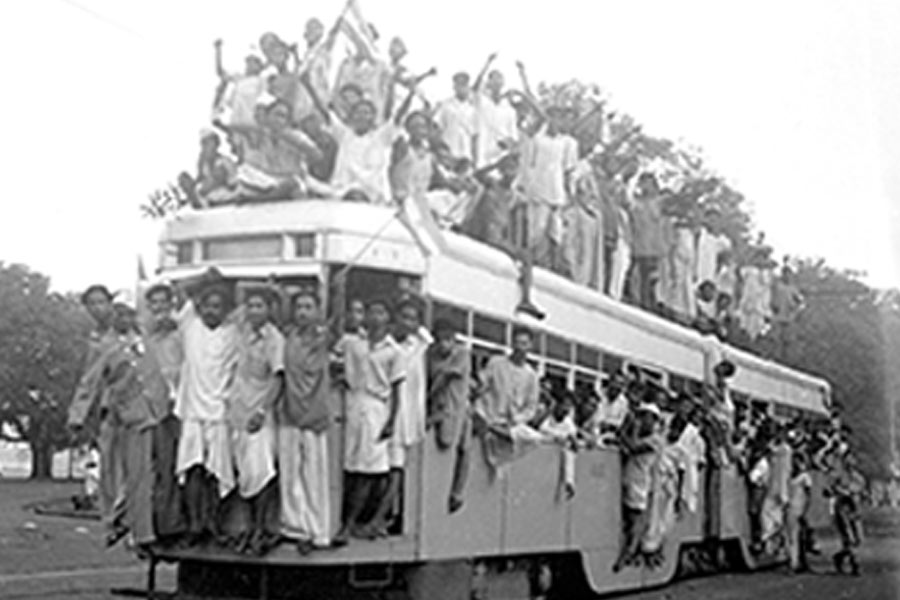
In Calcutta, people from different religions who had been fighting began hugging and celebrating together, and there was no fighting for two weeks.
In Lahore, nobody even knew which country the city would belong to until August 17.
In Hyderabad, a ruler called the Nizam did not want to join India, so many people who wanted freedom were arrested.
So the same day meant different things to different people, a mix of joy, worry, hope and sadness.

On August 15, 1947, India won freedom from British colonial rule and was partitioned into India and Pakistan, evoking both celebration and anguish.
In Delhi, about 300 flag-hoisting ceremonies were reported; Nehru's midnight address at Parliament's Central Hall was drenched by thunder and heavy rain.
Karachi, Pakistan's new capital, was ill-prepared, without government offices, ministries, furniture or stationery, and Jinnah expressed disbelief that Pakistan had come into being.
In Calcutta, communal violence that had plagued the city since Direct Action Day in 1946 eased dramatically, with no recorded incident between August 15 and 30.
Lahore's future remained unknown as the Punjab boundary award was announced only on August 17, deepening fear and uncertainty in the city.
- Who
- Jawaharlal Nehru, Mahatma Gandhi, Mohammad Ali Jinnah, C Rajagopalachari, Dr Prafulla Chandra Ghosh, the Congress Prime Minister, the Nizam of Hyderabad, and the people of cities across India and Pakistan.
- What
- India gained independence from British rule as the subcontinent was partitioned into India and Pakistan; different cities experienced the moment with celebration, defiance, sorrow and uncertainty.
- Where
- Delhi, Calcutta, Lahore, Karachi, Hyderabad, Bombay, Banaras and Howrah.
- When
- August 14-15, 1947 (Pakistan celebrated August 14-15; India's independence fell on August 15), with the Punjab boundary award following on August 17.
- Why
- The end of British colonial rule and the Partition of the subcontinent, alongside anxieties about separation, communal violence and princely-state integration.
Freedom as joy and celebration
Freedom shadowed by sorrow and fear
Meaning of August 15
Freedom as joy and celebration
For many, independence was a moment of joy, marked by flag hoistings, banquets, lights and festivities across India.
Freedom shadowed by sorrow and fear
For others, it brought sorrow and anguish, as Partition cut off families and homes, and cities like Lahore descended into fear and violence.
Pakistan's independence narrative
Freedom as joy and celebration
In Pakistan, August 14-15 was celebrated as freedom from British colonial rule.
Freedom shadowed by sorrow and fear
For many in Pakistan, it was also seen as freedom from perceived Hindu 'oppression'.
Princely state integration
Freedom as joy and celebration
The Government of India sought to integrate princely states like Hyderabad into the Indian Union.
Freedom shadowed by sorrow and fear
Hyderabad under the Nizam resisted accession, responding to protests with mass arrests and the deployment of army and police.
Key facts
- Independence date
- August 15, 1947
- Partition
- India and Pakistan created from British India
- Flag-hoisting ceremonies in Delhi
- About 300 reported
- Pakistan's first capital
- Karachi, ill-prepared and lacking offices, ministries and furniture
- Punjab boundary award announced
- August 17, 1947
- Calcutta communal violence-free stretch
- August 15-30, 1947
- Princely states resisting accession
- Hyderabad, Junagadh and Kashmir
- Hyderabad's ruler
- The Nizam
Quotes

Nehru
Prime Minister of India (then in office)
“We also think of our brothers and sisters who have been cut off from us by political boundaries and who unhappily cannot share at present in the freedom that has come. They are of us and will remain of us whatever may happen, and we shall be sharers in their good or ill fortune alike. The future beckons to us.”
 indianexpress.com
Sources
Related news
Rare Photos Capture Calcutta's First Independence Day, August 15, 1947

India Marks 80th Independence Day, Reliving The Statesman's 1947 Edition
Pakistan's 1947 bid to fly flag at London's India House
Gandhi, Nehru, Jinnah And Faiz On India's Independence Day
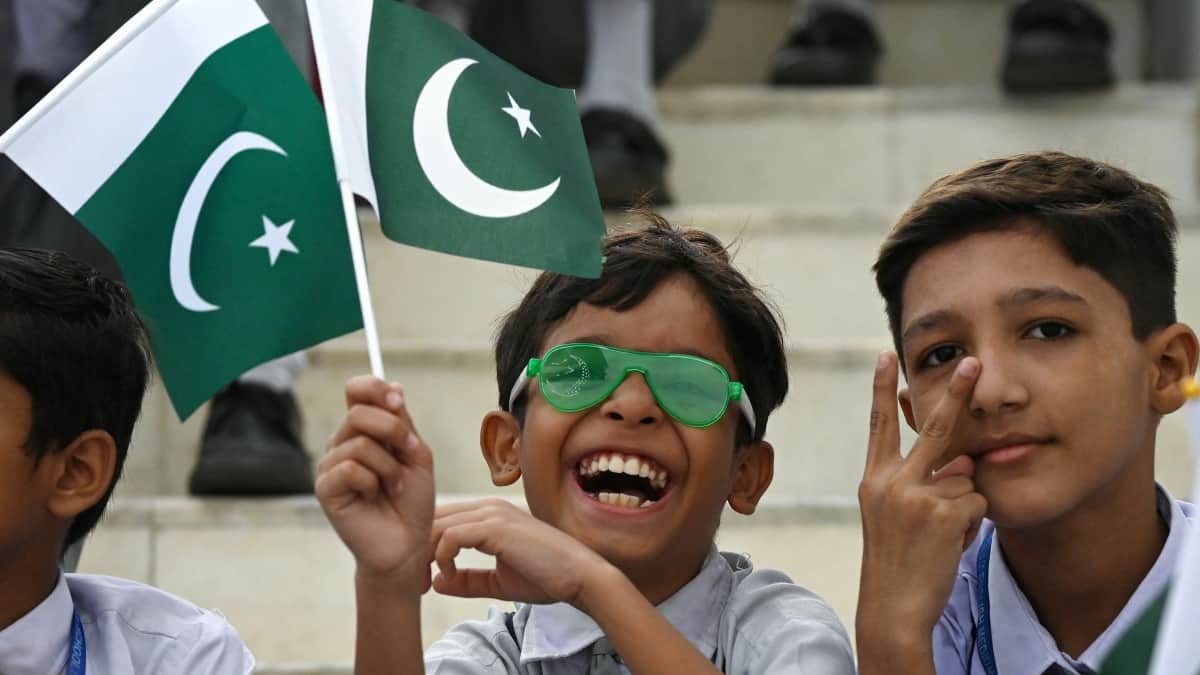
Why India and Pakistan Celebrate Independence Day One Day Apart

India Marks 80th Independence Day with Wishes, Messages, Quotes

Historic 'Milky Well' that quenched Nizams' thirst now faces neglect
Residents Fill Forms for Two States Amid Disputed Villages
Sardar Patel's 21-Day Blitz Against Princely States

Vijay's 'Policeodu' Re-Releasing in Telugu States
