6 days ago
Why Victorian Families Kept Photographs of Their Dead Loved Ones
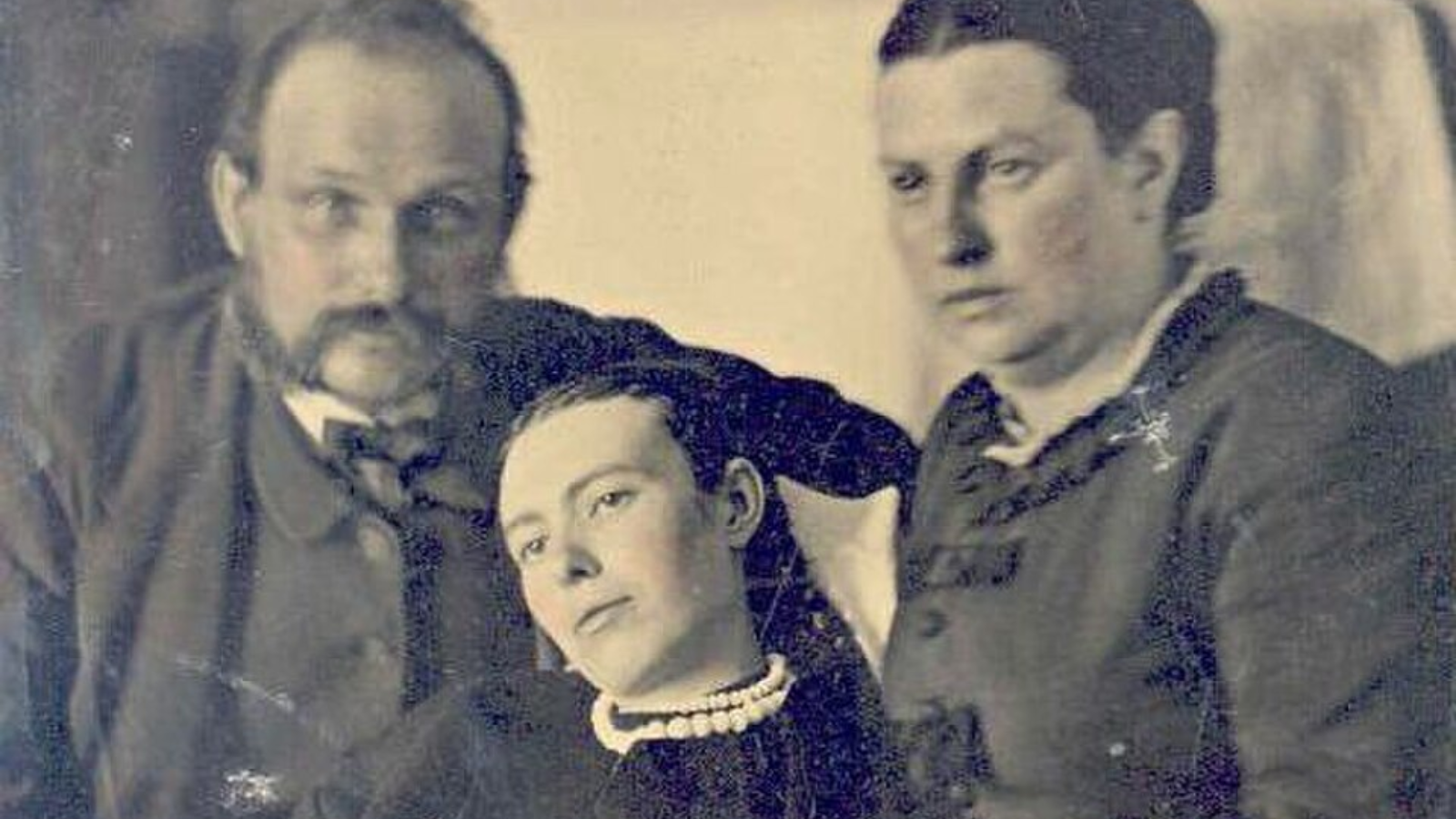
Victorian families sometimes took photographs of loved ones after they died.
These pictures helped families remember people they had lost.
The photographs were usually kept for private family use.
Families might put them in albums or display them in their homes.
Some people carried smaller copies in lockets.
A post-mortem portrait could be very important if the person had never been photographed while alive.
This made the photograph one of the family’s most meaningful reminders.
The pictures were keepsakes, not mainly for showing to the public.

Post-mortem portraits were kept as family keepsakes.
Families placed the photographs in albums or displayed them in parlours.
Some families carried small versions of the portraits in lockets.
The images were especially meaningful when no photographs existed from the person’s lifetime.
These photographs were intended for private remembrance rather than public viewing.
- Who
- Victorian families and their deceased loved ones.
- What
- Families preserved post-mortem portraits as private keepsakes and memorials.
- Where
- In family photo albums, parlours, and lockets.
- When
- During the Victorian era.
- Why
- To remember deceased loved ones, especially when few or no photographs existed from their lives.
Key facts
- Purpose
- Private family remembrance
- Photograph type
- Post-mortem portrait
- Common storage
- Photo albums
- Home display
- Parlours
- Portable form
- Small versions carried in lockets
- Special significance
- Important when no photographs had been taken during the person’s lifetime
Sources
Related news

How Indian News Photographs Became National Visual Memory

Imperfect Photos Fuel Renewed Obsession With Film Cameras

Remembering Champabai, the invisible domestic helper who raised family

Arunachal Leaders Urge Photographers to Preserve Memories

Scientists Report Common End-of-Life Dreams of Loved Ones