

2 weeks ago
Imperfect Photos Fuel Renewed Obsession With Film Cameras

Some people are becoming interested in film cameras again.
Film photographs take time to develop, so the photographer cannot see the result right away.
The pictures may turn out blurry or unusual.
Many people like these imperfections instead of trying to remove them.
Small mistakes can remind someone of what was happening when the picture was taken.
They can bring back memories of people, feelings and places.
Very edited pictures may show what a moment looked like but not how it felt.
An imperfect picture can sometimes make the memory feel more real.

Film cameras are becoming popular again among people unfamiliar with waiting for photographs to be developed.
The trend is described as being less about photographic technique than about accepting uncertainty and imperfection.
Slightly blurry images, unusual expressions and background details can strengthen autobiographical memories.
Imperfect photographs may recall a moment’s atmosphere, companions, feelings and forgotten details.
Highly edited images can emphasize how an event looked, while imperfections may better preserve how it felt.
- Who
- People using film cameras, including those who are unfamiliar with waiting for photographs to be developed, and Kohli, who explains the memory-related appeal.
- What
- A renewed interest in imperfect photographs and film cameras.
- Where
- The articles do not specify a location.
- When
- The articles do not specify a date.
- Why
- People may be seeking the uncertainty and emotional realism of imperfect images, which can evoke autobiographical memories more strongly than highly edited photographs.
Key facts
- Trend
- Film cameras have returned to the hands of people who may not know the traditional development process.
- Main appeal
- The renewed interest is described as being less about technique and more about embracing photographic uncertainty and imperfection.
- Memory effect
- Imperfect images may function as stronger emotional cues for autobiographical memory.
- Helpful imperfections
- Blur, unusual expressions and background details can recall forgotten aspects of an experience.
- Edited images
- Highly edited photographs can create a polished representation of an event.
- Emotional difference
- Edited images may emphasize how a moment looked, while imperfect images may preserve how it felt.
- Memory comparison
- Memory is described as reconstructed through emotional and sensory associations rather than preserved as a perfect recording.
Quotes
Kohli
Photography expert commenting on emotional impact of imperfect images
“An imperfect photograph can sometimes function as a stronger emotional cue for autobiographical memory. A slightly blurry image, unusual expression or background detail may remind us not only of what we looked like, but of what was happening around us – the people we were with, the atmosphere, how we felt and even seemingly insignificant details we had forgotten.”
 timesnownews.com
Sources
Related news
World Photography Day 2026 Commemorates 1839 Daguerreotype Gift
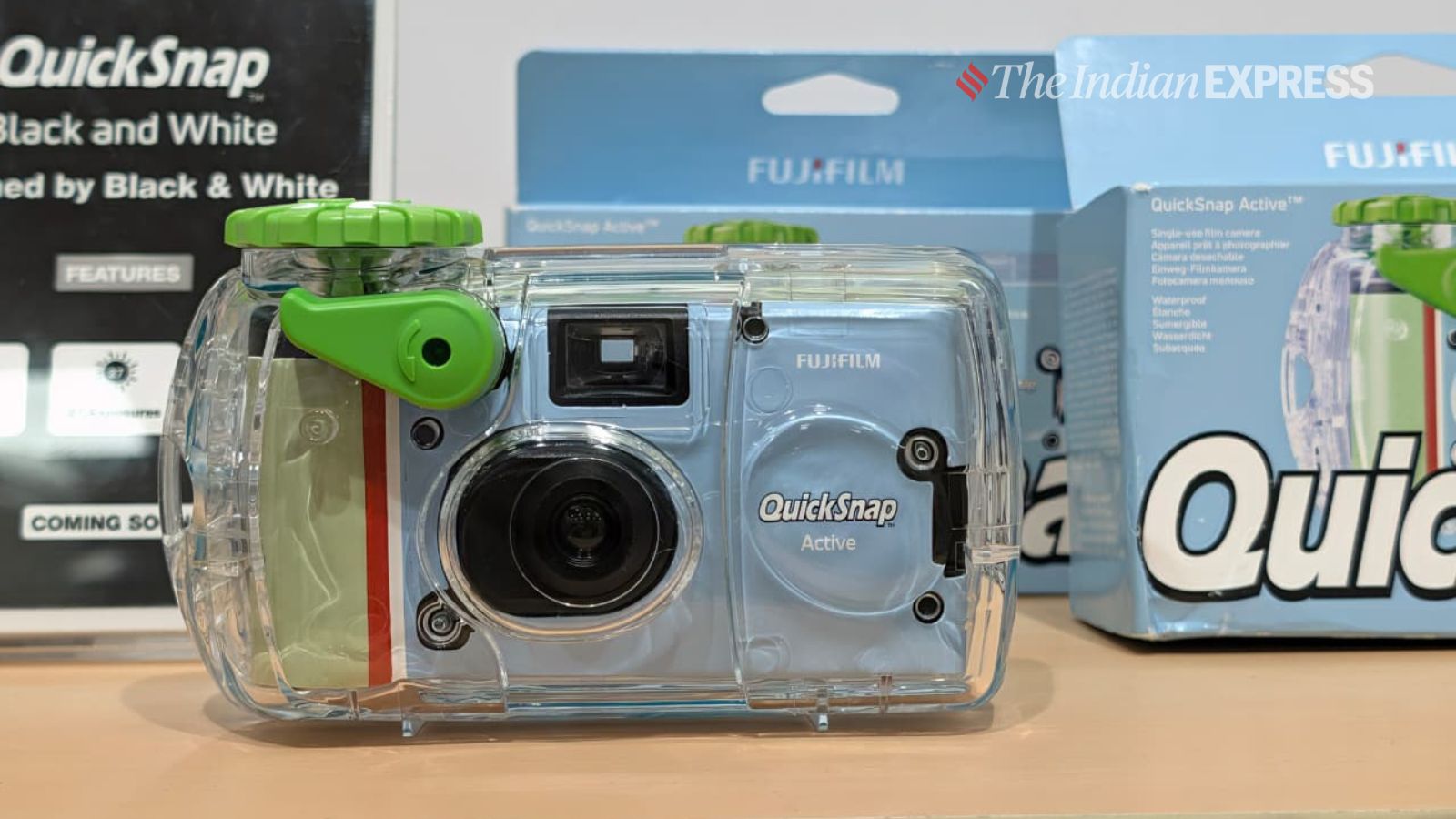
Fujifilm Bets on Young Consumers’ Renewed Love of Cameras

Why Black-and-White Photography Still Matters to Navin Vatsa
Veteran Photographer Says Mobile Photography Still Requires Skill

Arunachal Leaders Urge Photographers to Preserve Memories
