9 hrs ago
Young Sailors Adapt Aboard Carrier Amid Iran War
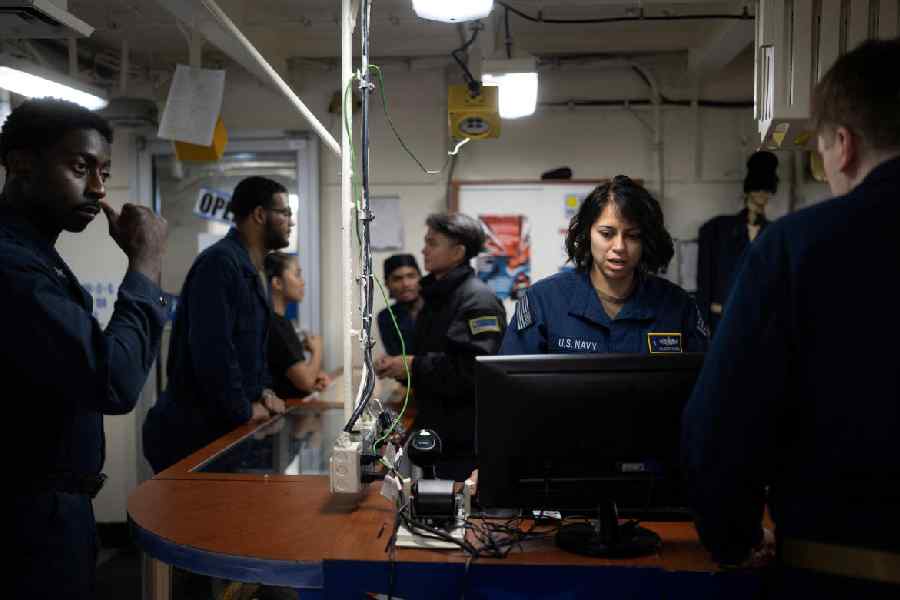
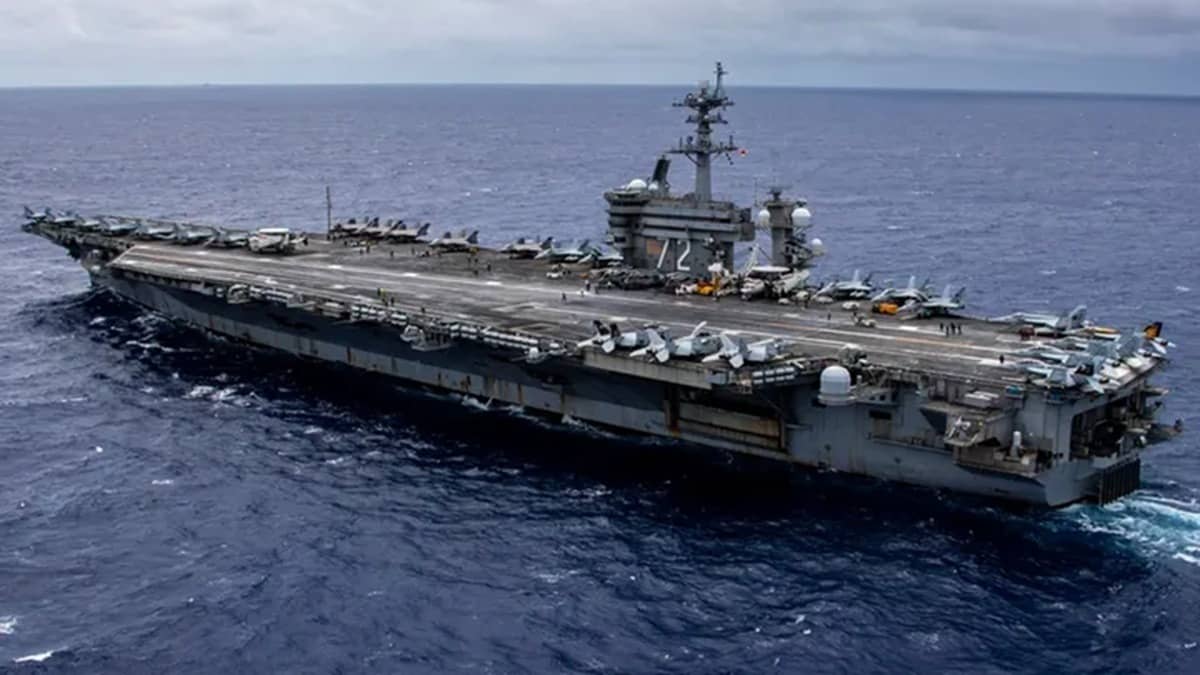
The USS George Washington is a large ship that carries airplanes and about 5,000 people.
It was sent from Japan to the area near the Strait of Hormuz.
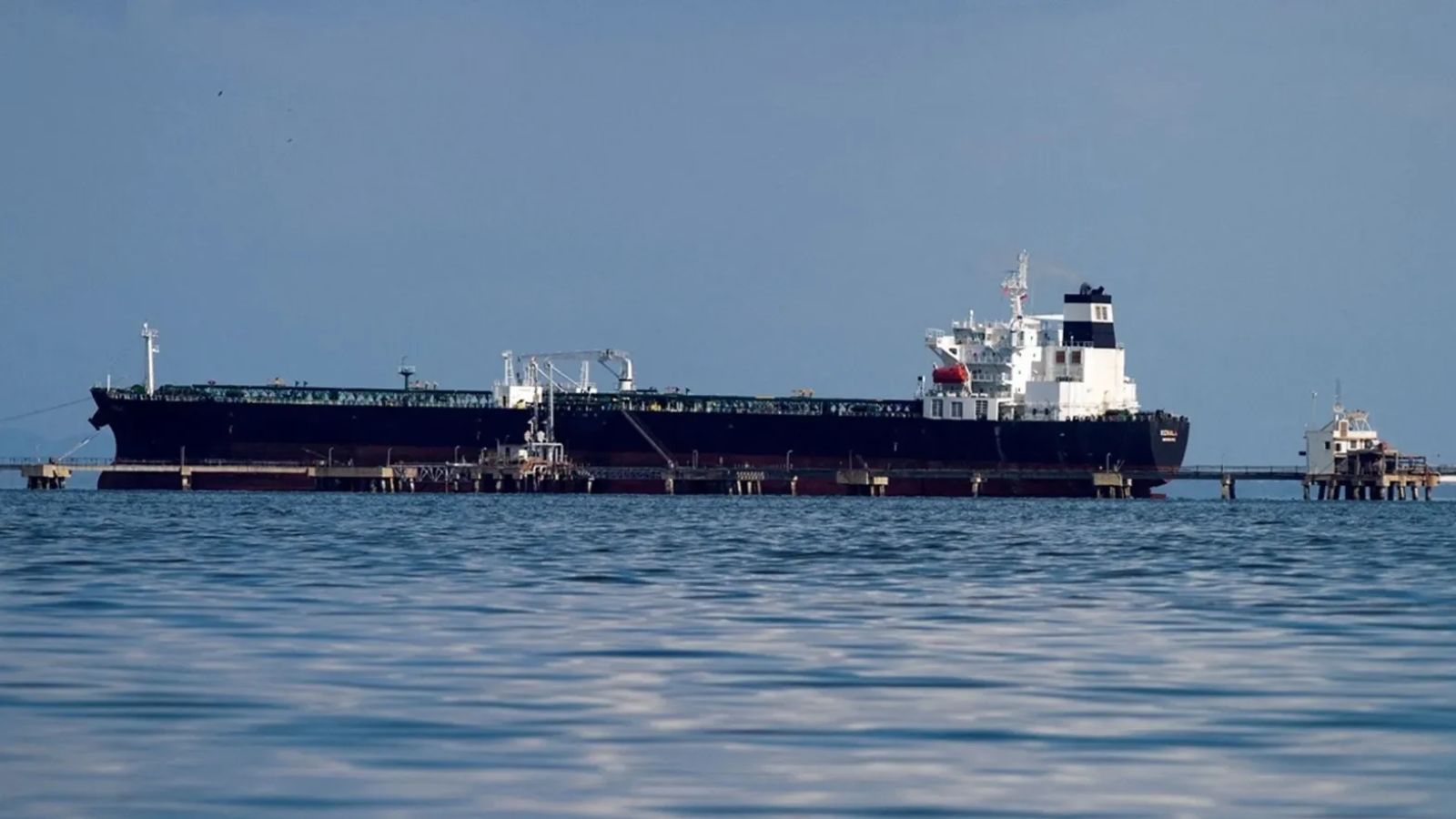
The ship is enforcing a U.S. naval blockade against Iran and helping protect commercial ships.
Sailors work together to move aircraft and prepare equipment, and they say the flight deck can be dangerous.
They must also stay ready because of possible drone and missile attacks.
The mission does not have a stated end date.
Being away from family can be difficult, so leaders focus on helping sailors stay in touch and receive mail.
Many crew members are young adults learning to manage work, relationships, and life away from home.

The USS George Washington deployed from Japan in late August to relieve the USS Abraham Lincoln near the Strait of Hormuz.
The carrier, with around 5,000 personnel, is enforcing a U.S. naval blockade against Iran and supporting commercial vessels transiting the strait.
Sailors described demanding flight-deck work and heightened readiness amid reported threats of Iranian drone and missile attacks.
The mission has no stated end date, and Rear Admiral Jeffrey Heames said crew morale, contact with home, and mail are priorities.
Many crew members are 19 to 24; sailors and a chaplain described the challenges of family separation and adjusting to adult responsibilities.
- Who
- Sailors aboard the USS George Washington, including its crew and commanders.
- What
- The carrier is enforcing a U.S. naval blockade against Iran and supporting commercial vessels transiting the Strait of Hormuz.
- Where
- Aboard the USS George Washington in the Arabian Sea, near the Strait of Hormuz; Reuters did not disclose its exact location.
- When
- The carrier deployed from Japan in late August; Reuters spoke with sailors in September 2026.
- Why
- The carrier was sent to relieve the USS Abraham Lincoln as the conflict with Iran continued.
U.S. account and actions
Iranian government's criticism
Responsibility for insecurity in the Strait of Hormuz
U.S. account and actions
The report describes the U.S. carrier's blockade mission and says U.S. forces acted after Iran targeted a U.S. Navy warship.
Iranian government's criticism
Iran's foreign minister said insecurity in the strait was the direct result of what he called aggressive actions by the United States and Israel.
Conditions aboard the USS Abraham Lincoln
U.S. account and actions
Defense Secretary Pete Hegseth said reports of deteriorating conditions, low morale, and suicide attempts aboard the Lincoln misrepresented reality and praised sailors enduring austere conditions.
Iranian government's criticism
The report notes those accounts, including reports of low morale and suicide attempts, while stating that extended deployments can strain crews' mental health.
Key facts
- Crew size
- Around 5,000 personnel.
- Deployment
- Deployed from Japan at the end of August to relieve the USS Abraham Lincoln.
- Mission
- Enforcing a U.S. naval blockade against Iran and providing cover for commercial vessels transiting the Strait of Hormuz.
- Mission duration
- No defined end date was stated.
- Crew ages
- Chaplain Ben Garrett said a huge percentage of the crew is between 19 and 24.
- Readiness
- The report cites heightened alert due to threats of drone and missile attacks from Iran.
- Access restrictions
- Reuters was not permitted to disclose operational details, including the carrier's exact location.
Quotes
Lieutenant Commander Brody Samaha
A carrier officer who helps oversee aircraft launches.
“So they’re trying to figure out being an adult while they’re out here.”
 theprint.in
 telegraphindia.com
“It's crazy, but at the end of the day, it's work. That's all.”
telegraphindia.com
Sources

Related news
US Weighs Third Carrier, 10,000 Troops Amid Iran War

US Denies Iran’s Claim of Vessel Strike Near Hormuz

US Says It Destroyed Iranian Boats Near Strait
Iran Claims Strike on US Vessel as Hormuz Fighting Escalates
US Weighs Third Carrier and 10,000 Troops Near Iran
Iran Plans Hormuz Exclusion Zone After US-Iran Maritime Strikes

P K Mishra Warns Trade Measures Can Become Weaponised

Putin Proposes New India-Russia Trade Routes Amid Hormuz Risks

Mishra Says India Sustained Growth Amid Global Uncertainty

Flydubai Co-Pilot Identified as US Builds Middle East Presence