3 days ago
Massachusetts Probe Finds Decades Of Catholic Clergy Abuse
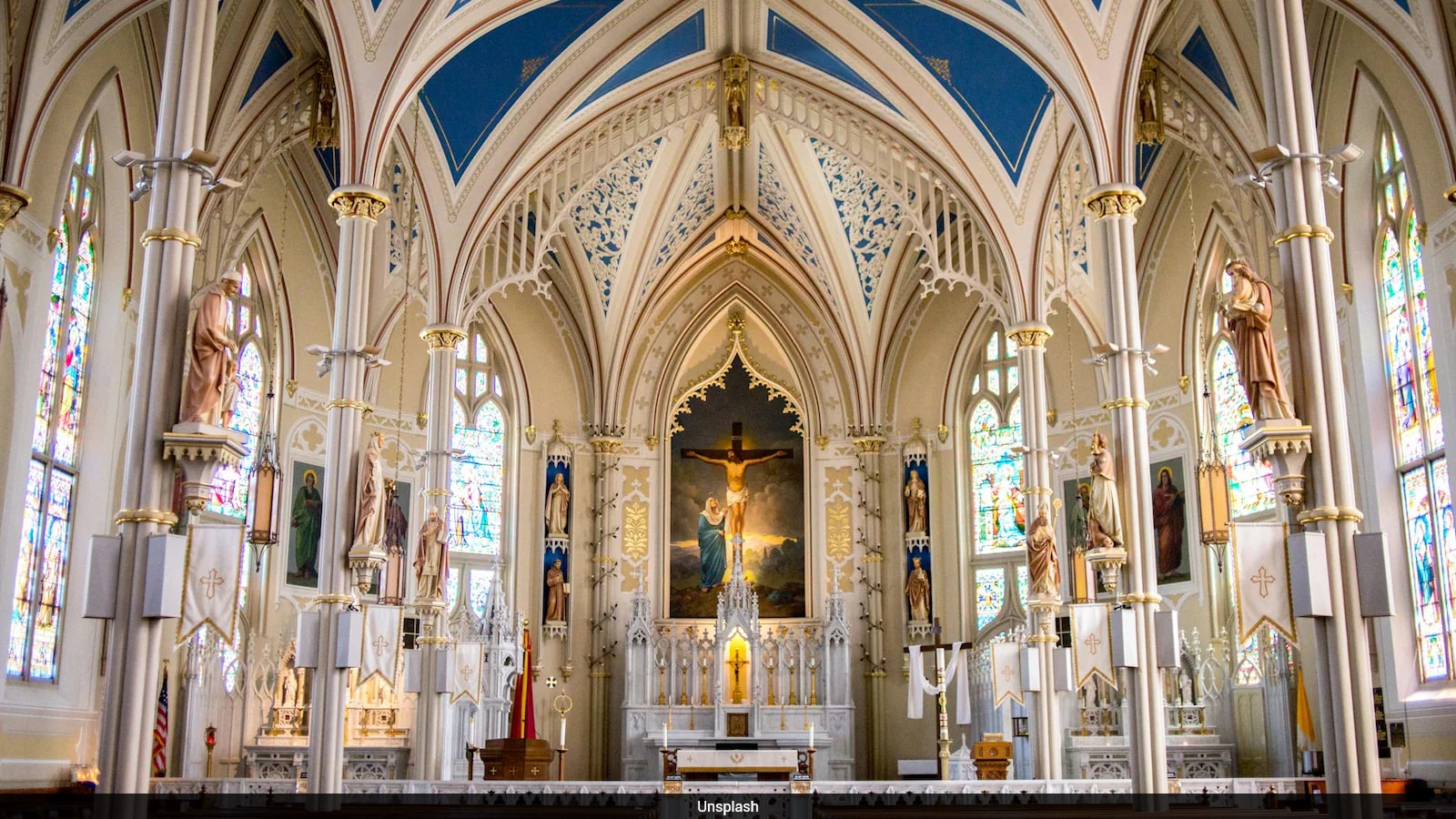
A Massachusetts investigation looked at child sexual abuse in three Catholic dioceses.
It found that at least 275 clerics were accused of abusing 944 children.
Much of the abuse happened before 2002.
The report said church leaders knew about abuse but often did not protect children enough.
It said some leaders focused more on protecting the Church’s reputation.
Attorney General Andrea Joy Campbell’s office sent three cases to local prosecutors.
One referral led to charges in Worcester.
Some other cases could not be prosecuted because the conduct was not illegal at the time or too much time had passed.
The dioceses apologized, reviewed the findings or described new safety policies.
Campbell said more reforms and stronger laws for survivors were needed.

A state investigation found that at least 275 Catholic clerics abused 944 children across the Fall River, Springfield and Worcester dioceses.
The abuse occurred over more than half a century, with most incidents taking place before 2002.
Attorney General Andrea Joy Campbell said the dioceses often prioritized the Church’s reputation over protecting children.
Campbell said her office made three referrals to local prosecutors, leading to charges in one Worcester case.
The report called for diocesan reforms and new laws, including eliminating the civil statute of limitations for childhood sexual abuse claims.
- Who
- At least 275 Catholic clerics, 944 children, the dioceses of Fall River, Springfield and Worcester, and Massachusetts Attorney General Andrea Joy Campbell.
- What
- A state investigation documented decades of alleged child sexual abuse and institutional failures in three Massachusetts Catholic dioceses.
- Where
- The Catholic dioceses of Fall River, Springfield and Worcester in Massachusetts.
- When
- The abuse occurred over more than half a century, mostly before 2002; the investigation began in 2019 and the report was released on September 30.
- Why
- The investigation examined whether the dioceses or their leadership were responsible for supervising clergy accused of abusing children.
State Accountability View
Diocesan Response
Institutional responsibility
State Accountability View
Attorney General Campbell said the dioceses knew children were being abused and too often protected the Church’s reputation instead of protecting children.
Diocesan Response
The dioceses acknowledged historical failures or responded with apologies, reviews of the report and statements about strengthening child-safety practices.
Future reforms
State Accountability View
Campbell said the dioceses needed further reforms and that Massachusetts should adopt laws supporting survivors, including removing the civil statute of limitations.
Diocesan Response
Worcester said it would identify additional improvements, while Springfield said it had already introduced trauma-informed policies and procedures.
Criminal prosecutions
State Accountability View
Campbell said her office made three referrals to local prosecutors, and one resulted in charges in Worcester.
Diocesan Response
The attorney general said her office did not pursue other prosecutions because some conduct was not illegal when it occurred or the statute of limitations had expired.
Key facts
- Clerics accused
- At least 275 Catholic clerics
- Children identified
- 944
- Dioceses investigated
- Fall River, Springfield and Worcester
- Investigation launched
- 2019, under then-Attorney General Maura Healey
- Prosecutorial referrals
- Three referrals to local district attorneys
- Charges
- One referral led to charges in Worcester
- Proposed legal reform
- Eliminate the civil statute of limitations for childhood sexual abuse claims
Quotes

Andrea Joy Campbell
Massachusetts attorney general who led the state investigation
“Behind every one of those numbers is a child whose safety was violated, a family that was changed forever, and a survivor who carried the trauma of that abuse for years and, in many cases, decades.”
 theprint.in
 NDTV
NDTV
“Too often they protected the reputation of the church rather than protecting children.”
theprint.in
Sources
Related news

Alleged Abuse Victims Urge Pope Leo to Expedite Rupnik Trial
Pope Leo Pledges Action After Meeting French Abuse Survivors
Child Abuse Inquiry Expands Investigations to Birmingham and Wales
More Survivors Testify as TN Granite Baron Abuse Probe Expands
Inquiry Finds UK Hospital Could Have Stopped Letby Murders Earlier
Cornell Case Renews Debate Over University Sexual Assault Responses

Zach Bryan Wears Palestine Shirt Amid Macklemore Venue Dispute

Use AI to Challenge Your Ideas and Improve Work
Supreme Court to Weigh Trump’s Mandatory Immigration Detention Policy

Nor’easter Threatens New York With Flooding, Winds and Cancellations